
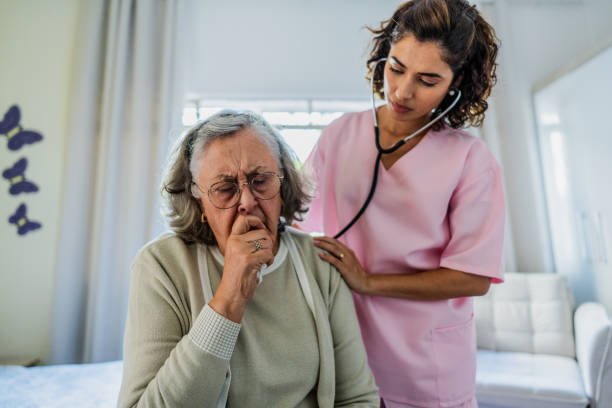
A respiratory infection typically begins as an annoying problem in the back of your throat or in your sinuses. However, if this infection goes deep into your lungs, the breathable air sacs will begin to swell and accumulate fluid or pus. It severely compromises your body’s ability to absorb oxygen.
Lower respiratory infections are a top cause of severe illness around the world. It causes millions of hospitalizations and more than 2.5 million deaths every year. Pneumonia is one of the world’s most dangerous infectious diseases, with more than 2.5 million deaths annually.
It can be quick and severe or so sneaky you don’t notice you’re ill until you have a sudden drop in your oxygen level.
This makes symptoms of pneumonia in adults a significant concern that must be addressed promptly, especially in people with underlying immune or metabolic dysfunction.
What Is Pneumonia?
Pneumonia is an infection of one or both lungs. Pneumonia develops when the alveoli (air sacs in the lungs) fill with fluid or pus. This may cause symptoms like cough, fever, or chills, which can be mild or severe.
Bacteria, viruses, or fungi can cause pneumonia. Different symptoms occur at different rates, and different treatments will be effective, depending on the cause.
The most recent population-based active surveillance in the United States identified human rhinovirus, influenza virus, and Streptococcus pneumoniae as the most common pathogens, and bacterial pneumonia, especially caused by Streptococcus pneumoniae, typically has the most severe and rapidly progressing symptoms. Viral pneumonia is more variable in severity.
Symptoms of Pneumonia in Adults
The symptoms of pneumonia in adults can develop suddenly over 24 hours (typical of bacterial pneumonia) or gradually over several days (typical of viral pneumonia). They may begin as a common cold or flu but eventually settle in the chest and develop into a more serious illness.
Productive Cough
One of the most common symptoms of pneumonia in adults is often a cough with pus, which may have a yellow, green, or rusty color. The color and consistency of the mucus reflect the inflammatory response in the lungs.
In particular, the presence of rust-colored phlegm is suggestive of pneumococcal pneumonia, which is a special type of pneumonia that requires prompt assessment.
Bacterial pneumonia cough is usually deep, violent, and gets worse with lying down. It does not go away on its own after a few days like a cough from the cold.
High Fever and Severe Chills
One of the most important features of bacterial pneumonia is a fever higher than 38.5ºC (101.3ºF). This fever is usually accompanied by intense chills and shivering. As your temperature changes, you might sweat a lot and rapidly lose fluid reserves and electrolytes.
It is often difficult to diagnose pneumonia in older adults because one of the symptoms, the fever, may be muted or even absent in persons with compromised immune systems.
Chest Pain When Breathing or Coughing
Sharp, stabbing chest pain that worsens with deep breaths or coughing is called pleuritic chest pain. It happens when the infection causes inflammation of the pleura (thin lining on the outside of the lungs). This pain can be so bad that breathing is difficult.
Pleuritic chest pain is a significant symptom that distinguishes pneumonia from simpler respiratory infections.
It needs medical assessment for the pneumonia itself as well as to exclude other serious conditions such as pulmonary embolism.

Shortness of Breath and Rapid Heart Rate
The buildup of fluid in the air sacs makes it hard for your lungs to absorb oxygen. If you feel breathlessness while walking across the room, climbing stairs, and even at rest, then the infection has caused an important reduction in your oxygen level. And that needs an immediate medical evaluation.
Drastic fatigue and mental fogginess
Fatigue with pneumonia is not the same as mild cold fatigue. This is a deep, debilitating tiredness which makes a person unable to perform normal tasks. The fatigue of bacterial pneumonia keeps most patients in bed, in contrast to walking pneumonia, where patients can still function despite feeling unwell.
Nausea and vomiting, loss of appetite
Pneumonia is associated with gastrointestinal symptoms, especially in older adults or severe cases. Significant loss of appetite, nausea, and vomiting are systemic immune responses to the infection, not direct gastrointestinal involvement.
Cyanosis: Bluish Discoloration of the Lips or Fingertips
If the lips, fingertips, or around the mouth are bluish or gray, it means that there is very little oxygen in your blood. This is called cyanosis and is a medical emergency. If you notice cyanosis with respiratory symptoms, call 911 immediately.
Walking Pneumonia Symptoms
Walking pneumonia is a lung infection that causes mild symptoms. It is most commonly caused by a bacterium called Mycoplasma pneumoniae.
The symptoms are usually milder and don’t require bed rest or a hospital visit. You could have walking pneumonia and not even know it.
Chronic dry cough
Unlike classic pneumonia, walking pneumonia usually does not produce large amounts of phlegm. Rather, you have a chronic, dry, hacking cough that lasts for weeks. This cough is very annoying to the throat and chest and will not produce the thick, colored mucus typical of normal coughs.
Mild fever and weakness
You may have a slight fever, but not as high as in acute bacterial pneumonia. You may be a bit lazy, but you can push through the day physically.
Sore Throat and Headaches
Because the Mycoplasma bacteria often affect the upper respiratory tract at the same time as the lower tract, walking pneumonia frequently comes with a scratchy sore throat, a persistent headache, and sometimes ear pain.
These symptoms overlap, which is why it is often confused with a common cold or sinus infection.
Headache
Many cases of walking pneumonia are associated with a persistent headache, usually frontal or diffuse, that is caused by the systemic immune reaction.
Unusual extra-pulmonary symptoms
Some people with walking pneumonia may also have an ear infection, anemia, or a skin rash. Walking pneumonia can affect other body systems beyond the lungs.
Such as ear pain, skin rashes, and even gastrointestinal symptoms have been reported with this infection.
When to Seek Immediate Emergency Care
Do not try to treat pneumonia at home. Seek immediate medical attention if you have any of the following serious complications:
- Difficulty breathing
- Restlessness
- Difficulty breathing even at rest
- Sharp chest pain
- Sudden confusion
- Disorientation
- Coughing up blood
- High fever
- Home pulse oximetry reading less than 92 percent
- A sudden drop in blood pressure
- Severe hypoxia (bluish or grayish tint to lips, nails, or skin)
Pneumonia vs. Cold vs. Flu vs. Bronchitis
Symptoms of pneumonia in adults are very similar to those of other common respiratory problems. Here are a few ways to differentiate them:
- Cold: It happens slowly and over the course of 2 to 3 days. Runny nose, stuffy nose, mild sore throat, mild cough, low or no fever. Symptoms resolve in 7 to 10 days. There is no chest pain or shortness of breath.
- Flu: Sudden onset, feeling well then becoming very ill within hours. High fever, severe muscle aches and headache, significant fatigue, dry cough. Respiratory symptoms are present, but respiratory distress is rare in otherwise healthy adults.
- Bronchitis: Cough is usually productive and follows or coincides with an upper respiratory infection. The cough may last two to three weeks. There is usually no fever or only mild fever. In this, the lungs are not infected, only the bronchial tubes.
- Pneumonia: Fever that is typically high in bacterial pneumonia or moderate in walking pneumonia. Productive cough in bacterial pneumonia and persistent, dry cough in walking pneumonia. Chest pain on breathing is a frequent occurrence. Its symptoms don’t resolve like a normal cold or flu.
Pneumonia Prevention
Vaccination is the best prevention that for pneumonia. Adults aged 65 years and older, and younger adults with specific medical conditions are recommended to receive the pneumococcal vaccine in the form of two vaccines, one containing PCV15 and another containing PCV20. Influenza vaccine provides protection against pneumonia associated with influenza. The COVID vaccine lowers the occurrence of serious COVID pneumonia
Stop smoking. Smoking is one of the most important modifiable risk factors for pneumonia. It weakens your immune system in the respiratory tract in several ways.
Manage chronic conditions. People who manage their diabetes, heart disease, and chronic lung disease may be less susceptible and less severely affected by pneumonia if they do get it.
Practice good hand hygiene. Hand-to-face contact is a more significant method of spread than airborne droplets for respiratory infections. Handwashing with soap and water for 20 seconds or more is an effective way to limit transmission.
Maintain good nutrition. Vitamin D, zinc, and protein boost your immune function and decrease the risk of respiratory infections.
Get Evaluated in Sugar Land and Across Texas
It’s important not to dismiss a cough, particularly when it begins to interfere with breathing. If pneumonia is left untreated, it can spread beyond the lungs. It can spread into the bloodstream and lead to a life-threatening condition called sepsis. It can progress to lung abscesses, long-term tissue damage, or acute respiratory failure, in severe cases. That’s why early symptom management and prevention are very crucial.
At Kairos Integrative Care in Sugar Land, Texas, Lola, one of our integrative primary care nurse practitioners, provides evidence-based chronic disease management, screenings, and personalized treatment plans to help patients improve long-term health outcomes.
We see patients in Houston, Sugar Land, Richmond, and nearby areas (77046 & 77478) and accept major insurance plans, including Blue Cross, Aetna, Ambetter, Cigna, and more.
New patients are always welcome, and if visiting the clinic isn’t possible, telemedicine appointments are available across the entire state of Texas.
Book your appointment today!