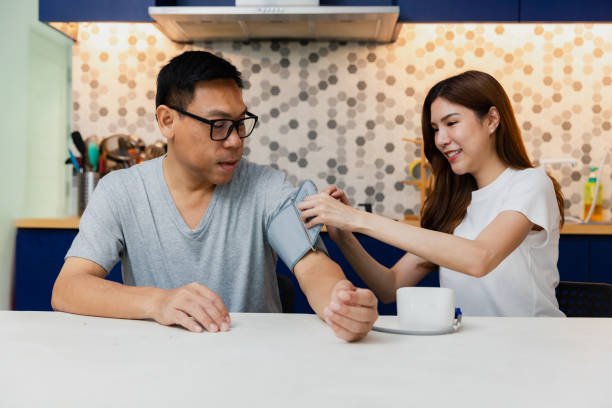
Hypotension (low blood pressure) is a very common clinical symptom affecting patients’ cognitive and physical functioning to a great extent.
If you find that you are feeling dizzy, fatigued, or lightheaded when standing up, it is a sign that your circulatory system is having trouble maintaining your blood volume.
Chronic low blood pressure, obviously, needs a more in-depth look at overall health issues to find out what’s gone wrong, but there are times when you need immediate relief. There are particular evidence-based protocols that help to raise blood pressure quickly.
What is Blood Pressure?
Blood pressure is the pressure of blood against the walls of the arteries.
A blood pressure of less than 120/80 mmHg is considered normal. If your blood pressure is less than 90/60 mmHg, it is considered low blood pressure and can be dangerous. It is measured in two numbers. The upper number (systolic) is the pressure in the arteries when the heart beats. The bottom number (diastolic) is the pressure between beats when your heart is resting. Both matter. Drop in either number can cause symptoms.
For most, having slightly low blood pressure without symptoms isn’t necessarily a bad thing. The concern arises when low blood pressure causes symptoms, particularly fainting, which can lead to serious injury.
What Causes Low Blood Pressure?
Here are a few of the major reasons for low blood pressure:
- Dehydration is the most common cause. If you are not sufficiently hydrated, the volume of blood decreases and so does the pressure. Excessive heat, strenuous activity, diarrhea and vomiting, or inadequate water intake during the day can all lead to low blood pressure.
- Postural hypotension (also called orthostatic hypotension) is a sudden drop in blood pressure when standing up. Blood pressure can be low for many reasons, such as sudden movements like standing up too quickly.
- Medications. Some medications used for treating blood pressure, diuretics, antidepressants, and drugs used for Parkinson’s disease, can all reduce blood pressure as a side effect.
- Skipping meals. There is an inverse relationship between skipping meals and postprandial hypotension. A blood sugar drop as a consequence of a missed meal may worsen the pressure drop, especially for folks who are already operating on the lower side.
- Conditions such as bradycardia (slow heart rate), heart valve disorders, and heart failure can all cause the heart to not pump blood sufficiently, thereby decreasing blood pressure throughout the body.
- Nutrition Deficiency, especially of vitamin B12 and folate, may lead to anemia and cause low blood pressure.
- Long bed rest causes deconditioning of the cardiovascular system, with a decreased ability to regulate blood pressure during shifts in posture.
- Serious medical emergencies, such as severe bleeding, severe infection, anaphylaxis, or cardiac events, may cause a sudden, dangerous drop in blood pressure.
How to Raise Blood Pressure Quickly
These are the best evidence-based actions to raise blood pressure quickly if symptoms occur.
1. Drink Salty Water
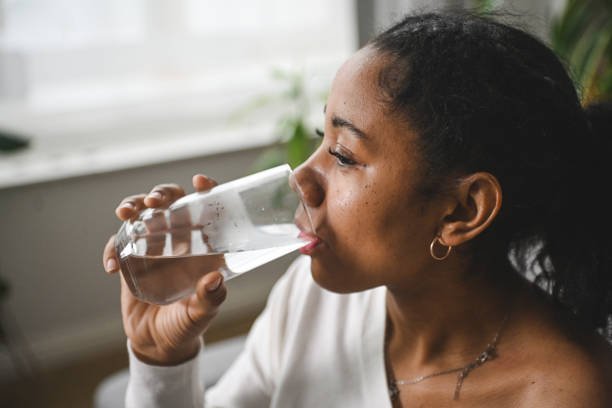
The quickest and most dependable method to boost blood pressure at home. Sodium holds onto water in your body. A large glass of water with one-half teaspoon of good sea salt quickly increases your blood volume. The higher the fluidity of the blood in your veins, the more pressure will be exerted against the walls of the artery.
Orthostatic hypotension (drop in BP when standing) is a condition where increased salt and fluid intake are important principles of clinical management.
2. Use Physical Counter-Maneuvers
Your body has built-in mechanical tricks to force blood back to your head. When dizzy, cross your legs tightly while standing and squeeze the thigh muscles together. You can also clench your fists or grip a rubber ball.
Isometric handgrip exercises have been shown to effectively and immediately increase systolic blood pressure by increasing vascular resistance in the extremities, which pushes blood back toward the core and brain.
3. Lie Down and Elevate Your Legs
If you are feeling faint, don’t try to power through it. Lie down flat on your back and elevate your legs above the level of your heart. Use a pillow, a chair, or prop your legs up against a wall. Keeping the legs 6 to 12 inches above your heart helps gravity return blood to the heart from the lower body, which is known as venous return. This increases the cardiac output and elevates the blood pressure in a few minutes. Hold in this position for a few minutes until any symptoms improve, then slowly return to sitting and standing.
This helps to release the blood that has been trapped in your lower body and bring it back into your central circulation, which immediately increases your blood pressure and ensures that blood reaches your brain.
4. Drink Caffeine
Caffeine is a stimulant of the central nervous system that makes your blood vessels narrow and your heart beat slightly faster. Caffeinated beverages like coffee or tea can give a quick blood pressure boost.
Studies indicate that in individuals with low blood pressure, caffeine can increase their systolic blood pressure by 3 to 15 mm Hg. Remember, this is a temporary solution, not a permanent cure.
5. Eat Something Salty
Salt increases blood pressure by raising the sodium ion concentration in the blood, causing the body to retain more fluid and thus increasing blood volume and blood pressure. A pinch of salt in a glass of water, or a small salty snack, can help, only if you do not have high blood pressure, kidney, or heart problems.
It’s a safe short-term treatment for individuals with normal blood pressure who are experiencing low blood pressure. It is not good for people with hypertension, kidney disease, or heart failure. In such cases, added sodium can be harmful to you. Please discuss with your provider if any of these conditions apply before you use salt to raise your blood pressure.
6. Wear Compression Garments
Compression socks or abdominal compression garments help squeeze the blood vessels so that blood doesn’t pool in the legs when you stand up. It is a very effective, medical-grade way to increase blood pressure rapidly and avoid dizziness when standing.
Long-Term Strategies to Maintain a Stable Blood Pressure
After facing a sudden low BP problem, you should review your lifestyle to see if you can avoid it in the future. Chronic low blood pressure is almost always related to certain imbalances.
1. Boost Your Electrolyte Intake
Minerals hold the water inside your blood vessels. You’re diluting your blood volume if you’re drinking plain water throughout the day without electrolytes, and that’s how you get low blood pressure. Drink water with a pinch of sea salt, a squeeze of lemon, or a sugar-free electrolyte powder throughout the day.
The heat can be intense in Texas, so it’s especially critical for individuals with low blood pressure to stay adequately hydrated during the summer season. It is wise to drink a big glass of water before your morning coffee or food.
2. Eat smaller meals
Your body sends a tremendous amount of blood to your digestive tract when you’re eating a large, heavy meal in order to deal with the food. This may lead to low blood pressure in other parts of the body known as postprandial hypotension.
To avoid this, be sure to have smaller meals that are high in protein every 3 to 4 hours instead of 3 large meals every day.
3. Consider using Adaptogenic Herbs (With Caution)
Low blood pressure is often associated with adrenal problems. When your adrenal glands are stressed, they don’t make enough aldosterone, the hormone that tells your kidneys to retain sodium.
Licorice Root extract is an herb that can naturally prevent the body from breaking down aldosterone, which helps to keep sodium in, resulting in high blood pressure. However, this must be used under the supervision of a provider, as it can cause high blood pressure if used incorrectly.
Avoid Standing Still for Long Periods
Gravity causes blood to pool in the lower extremities if someone stands for too long. If you have low blood pressure, don’t stand for too long.
If standing cannot be avoided, try to change positions frequently, tense up the muscles of the legs from time to time, and move around in the place to promote blood circulation.
Avoid Prolonged Heat Exposure
Heat causes blood vessels to expand all over the body and lowers blood pressure. Avoid prolonged exposure to hot water, such as hot showers and spas. This is especially important if you live in Texas. Hot showers, saunas, and hot tubs all cause hypotension in susceptible individuals.
If you like hot showers, make them shorter. Finish with a short cool rinse, as this will provide a slight vasoconstriction and will help to maintain the pressure in a normal range upon exiting.
Medications That Raise Blood Pressure
If lifestyle changes are not enough, your provider may recommend medication to help increase your blood pressure for chronic symptomatic hypotension.
Fludrocortisone is a synthetic mineralocorticoid that makes the kidneys hold on to sodium and increase blood volume. One of the most frequently prescribed drugs for orthostatic hypotension.
Midodrine is an alpha-1 adrenergic agonist that constricts blood vessels and increases blood pressure. It is FDA-approved for orthostatic hypotension and taken in a dose timed to the morning. You must avoid taking it within 4 hours of bedtime because of the possibility of
lying-down hypertension.
Droxidopa has been approved for use in neurogenic orthostatic hypotension. It is low blood pressure that is caused by a problem with the nervous system, such as Parkinson’s disease or autonomic neuropathy.
These drugs need to be properly diagnosed, indicated, and monitored. Not all causes of hypotension are suited for their use, and each has side effects that must be monitored by the provider.
Red Flags: When to Seek Emergency Care
Low blood pressure can be a warning sign of a serious medical emergency. If your low blood pressure is accompanied by any of the following, call an emergency service right away:
- Fainting
- Loss of consciousness
- Shortness of breath
- Chest pain
- Slow or rapid Pulse rate
- Pale, cold, clammy skin
- Fuzzy or slurred speech
- Rapid, shallow breathing
Bottom Line
Untreated hypotension can result in serious, life-threatening complications.
Major reductions in vascular pressure can lead to fainting and subsequent traumatic falls, or, more seriously, to hypovolemic shock that cuts off oxygen to the brain and other major organs, causing permanent damage.
That’s why it’s essential to make the daily lifestyle changes listed above. Also consult a professional who can instruct you in how to raise blood pressure quickly and safely.
At Kairos Integrative Care in Sugar Land, Texas, Lola, one of our integrative primary care nurse practitioners, provides evidence-based chronic disease management, screenings, and personalized treatment plans to help patients improve long-term health outcomes.
We see patients in Houston, Sugar Land, and nearby areas (77046 & 77478), and accept most major insurance plans, including Aetna, Ambetter, UnitedHealthcare, BCBS, Tricare, and others.
Book your appointment today!