The postpartum period is a time of great physical and emotional challenge for women. The transition to parenthood involves all parts of life being changed, as well as disrupted sleep, fluctuating hormones, physical healing from the birth, and an emotional landscape that changes every day. Many new mothers experience a level of tiredness, mood swings, and physical changes in the weeks and months following delivery.
In Texas, we see so many new moms who have been struggling for months and are often given an antidepressant when really it’s a thyroid crisis.
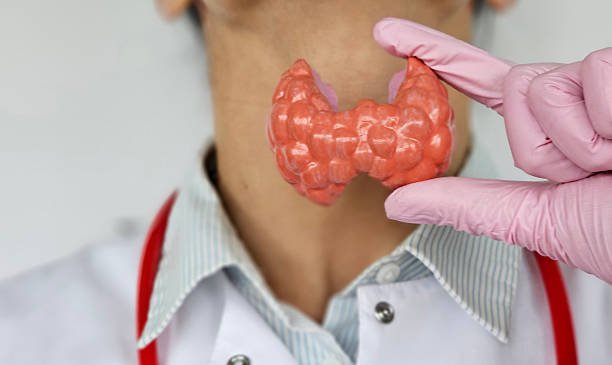
It is estimated that about 5-10% of women experience postpartum thyroiditis symptoms in the first year after delivery. Your thyroid is the main control center of your metabolism. And if it fails, all of your systems fail eventually.
What is Postpartum Thyroiditis?
Postpartum thyroiditis is a condition in which the thyroid becomes inflamed after giving birth, and is also classified as an autoimmune disorder. Your immune system is naturally suppressed when you are pregnant, to prevent the body from rejecting the developing fetus.
But after birth, the immune system springs back into action. This immune surge sometimes mistakenly attacks the thyroid gland, causing it to release the thyroid hormones it contains into the bloodstream in some women.
This thyroid disruption typically follows a biphasic course. This results in two types of symptoms with different thyroid hormone patterns. The first stage is due to an excess of thyroid hormones. The second is due to low thyroid hormones. Postpartum thyroiditis symptoms vary with each phase and are quite different from one phase to the next.
Not all women experience both phases. One-third of patients will develop both phases, one-third will develop a thyrotoxic phase, and one-third will develop a hypothyroid phase.
Who Gets It and What Are the Risks?
Postpartum thyroiditis can happen to any woman who has recently given birth, but some factors increase your risk, including:
- A family history of thyroid problems
- Existing autoimmune diseases such as Type 1 diabetes, lupus, and arthritis
- Women with anti-TPO (thyroid peroxidase) antibodies
- High levels of postpartum
- Stress
- Severe sleep deprivation
- Nutrient deficiencies
- Previous postpartum thyroiditis
Postpartum Thyroiditis Symptoms
The challenge in this condition is that it usually happens in two phases. You may experience one or both of these phases, and the postpartum thyroiditis symptoms in each stage look completely different from one another.
1. Anxiety, Rapid Weight Loss, and Heart Palpitations
The hyperthyroid phase is most likely to happen within 1 to 4 months postpartum. Your swollen thyroid releases too many hormones into your blood.
This results in a racing heart rate, trembling hands, and sudden weight loss. Because new mothers are expected to be stressed, these postpartum thyroiditis symptoms are frequently written off as severe postpartum anxiety.
2. Insomnia and Extreme Irritability
A very frequent postpartum thyroiditis symptom is the inability to go to sleep even when very tired. Too much of the thyroid hormone in the body keeps your nervous system in an alert state that makes it impossible to get a restful sleep, even when there is an opportunity to do so.
You may feel frustrated towards your partner, experience inner rage, or find it hard to remain seated.
3. Crushing Fatigue
Once the hyperthyroid phase runs its course (typically 4-8 months after the birth), the gland is injured and hypoactive. This is the phase of hypothyroidism.
The postpartum thyroiditis symptoms shift drastically in this phase. There’s extreme fatigue that won’t get better, no matter how much sleep you get. Naps are pointless, and getting up from bed is difficult.
4. Unexplained Weight Gain and Brain Fog
You may start gaining weight rapidly despite eating a normal diet. Your brain is extremely foggy. It may be difficult to remember why you have come into a room, or to find any focus at all.
This is the point where many mothers are misdiagnosed as having postpartum depression because the lethargy and mental fog are so great.
5. Hair Loss After the Normal Period of Postpartum Hair Fall
It is normal to lose some hair a few months after having a baby. However, thyroid hair loss is not the same as postpartum hair loss. It can fall out in big chunks from the shower, and you might see your hair thinning out heavily at your hairline or at your temples.
This hair loss is caused directly by the failure of the hair-follicle cycles due to the absence of thyroid hormone.
6. Constipation
Low levels of thyroid hormone cause digestion and metabolism to become sluggish. You may experience extreme constipation. Many new moms dismiss this as a result of their dietary changes or taking iron supplements, without thinking about the thyroid.
7. Puffy Face and Fluid Retention
One of the most obvious symptoms of severe hypothyroidism is puffiness, especially of the face and around the eyes. You may wake up with puffy, swollen hands, feet, and face.
How Long Does Postpartum Thyroiditis Last?
A major question new moms have is, ” How long does postpartum thyroiditis last?
The whole process may take 12-18 months. The hyperthyroid phase usually lasts for one to three months.
After this, there is a hypothyroid stage of 2 to 6 months or more. It’s the slow, tiring period, and it’s the most demanding time of early motherhood!
Does Postpartum Thyroiditis Go Away?
For the majority of women, yes. The inflammation in the thyroid doesn’t last for more than 12 to 18 months, and the gland returns to normal function within that time.
But in some cases, up to 20% of women who experience postpartum thyroiditis will be left with permanent hypothyroidism, meaning their thyroid never recovers.
In addition, you are extremely vulnerable to developing Hashimoto’s later in life if you have had this condition. It’s not something that can be ignored and will go away on its own without proper monitoring.
Postpartum Thyroiditis Testing
A simple TSH level test is typically performed during routine follow-up examinations after pregnancy. This is extremely poor diagnostic criteria for this condition. In order to understand what is going on, a full thyroid panel should be performed. This should include Anti-TPO, Anti-Thyroglobulin antibodies, as well as Free T3, Free T4, and most significantly the TSI. Even when your TSH is within the normal range, it means that there is a process of an autoimmune attack taking place if you have a high antibody level.
An ultrasound is sometimes ordered to examine the size and shape of the thyroid and to exclude nodules or other abnormalities of the thyroid. Postpartum thyroiditis may show an enlarged, diffuse, or heterogeneous thyroid gland on the ultrasound.
What to Do If You Have Postpartum Thyroid Symptomns?
There is no need to endure the first year of motherhood. This is how you can take care of your body:
1. Remove Immune Triggers
Because this is an autoimmune condition, you need to first calm your immune system. The most common trigger is gluten. Gluten protein is very similar to the protein of the thyroid tissue, and consumption can trigger even more severe immune attacks on the thyroid via a phenomenon known as molecular mimicry. Removing gluten and dairy can drastically reduce the autoimmune attack.
3. Rebuild Your body’s stores
Your nutrient levels are completely depleted during pregnancy and lactation. Hormones are only produced in your thyroid gland with certain building blocks. You need the right amount of iodine, selenium, zinc, and iron. Selenium is especially important, helping to reduce thyroid antibodies and protecting the thyroid gland from oxidative stress.
4. Eat foods that are rich in fiber
Consuming smaller meals and combining them with protein and healthy fats helps to avoid spikes in cortisol.
High cortisol levels lead to thyroid suppression and contribute to the autoimmune attack. You need to avoid skipping meals and eat foods that are high in nutrients and low in calories to maintain a steady blood sugar.
5. Perform stress management techniques
There is a close connection between your adrenal health and thyroid health. Seek support from your partner, family, or postpartum doula. If the nervous system is in survival mode all the time, you cannot heal an autoimmune condition. You can easily manage chronic stress through walking, deep breathing, prayer, meditation, or gentle movement.
Quick Checklist
- Eliminate gluten from your diet to reduce inflammation and possible triggers of autoimmunity.
- Avoid dairy for 4–8 weeks to see if symptoms improve.
- Try to eat protein in all meals to help support hormone levels and keep energy levels up.
- Consume anti-inflammatory foods such as leafy greens, berries, fatty fish, and colorful vegetables.
- Feed the gut with fibre-rich foods and tolerated fermented foods.
- Make sure to get enough selenium (Brazil nuts, seafood, eggs) for thyroid function.
- Eat zinc-rich foods, like beef, pumpkin seeds, and shellfish.
- Test iron levels if you feel tired or are experiencing postpartum hair loss.
- Balance vitamin D levels since they are low in thyroid and autoimmune disorders.
- Make sure to drink plenty of fluids, which will help metabolism and general recovery.
- Get plenty of sleep (and rest) if you can, since sleep deprivation exacerbates thyroid symptoms.
- Minimize stress by walking, deep breathing, prayer, meditation, or calming exercise.
- Avoid excessive caffeine if you’re experiencing anxiety, palpitations, or insomnia.
- Have thyroid bloodwork every trimester during the postpartum period.
Bottom Line
If you are experiencing postpartum thyroiditis symptoms, do not accept that you just had a baby as a final diagnosis. You deserve to get back to yourself!
At Kairos Integrative Care in Texas, we understand that new mothers do not have time to waste feeling terrible. Lola, one of our integrative nurse practitioners, will determine the exact reason why your thyroid is in trouble and develop a tailored thyroid protocol to soothe your immune system and restore your overall energy.
We accept most major insurance plans, so you can receive the care and advanced antibody testing you need.
We serve Houston, Sugar Land, and nearby areas (77046 & 77478) and accept most major insurance plans, including Aetna, Cigna, UnitedHealthcare, and Tricare. Book your appointment today!