
Uterine fibroids are a topic that most women are not aware of until it is brought up during a visit to their doctor. Yet, uterine fibroids are one of the most common gynecological conditions in the world.
It is estimated that there are 26 million females aged 15-50 living in the United States who are affected. In women older than 50 years, this figure may be as high as 70-80%.
A lot of women ignore uterine fibroids symptoms and think that it is just regular period pain or just a sign of aging.
About 59% of black women in the United States will develop uterine fibroids, whereas other racial groups will not have such a high prevalence. The reasons for this discrepancy are not fully understood and are still under investigation.
Global data indicate that the burden of uterine fibroids symptoms is rising and will continue to rise through to 2036.
What Are Uterine Fibroids?
Most fibroids are entirely benign and non-malignant tumors. They are merely muscle growths that occur within the wall of your uterus, on the outside of your uterus, or directly within the uterus itself.
In some cases, one single fibroid may be present. In other cases, several fibroids will form at once in various places within the uterus.
The first thing that you need to know is that fibroids are entirely benign growths. They are not cancer, and having them does not increase your risk for uterine cancer. While the term benign means that they are not malignant and cannot spread, it certainly doesn’t mean that they aren’t potentially harmful to your body.
There are various kinds of uterine fibroids based on their site of occurrence.
- Intramural fibroids occur in the muscular layer of the uterus. They are the most prevalent.
- Submucosal fibroids appear just under the mucous membrane of the uterus and intrude into the cavity of the uterus. They have the highest chance of causing bleeding and infertility. Subserosal fibroids form on the exterior of the uterus and may become extremely large.
- Pedunculated fibroids form on a stalk either inside or outside the uterus.
Based on the kind of fibroid, its location, and severity, a variety of uterine fibroid symptoms may occur.
Top Uterine Fibroids Symptoms
The majority of women who suffer from uterine fibroids do not experience any symptoms.
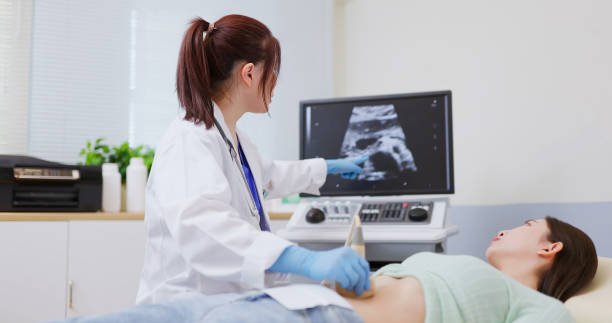
In most cases, uterine fibroids are identified through pelvic examination or an ultrasound scan performed for other reasons. In such cases, no treatment is necessary, but monitoring is sufficient.
But when you do have uterine fibroids symptoms, these symptoms could be very mild to severely debilitating. Below are the most commonly experienced symptoms of uterine fibroids.
1. Excessive Menstrual Bleeding
Excessive menstrual bleeding is the most common uterine fibroids symptoms. It is not an occasional increase in bleeding.
This involves going through one tampon or sanitary napkin per hour continuously for many hours. This would also mean passing large clots of blood.
The reason behind this is that fibroids, especially submucosal fibroids, prevent your uterus from contracting during the menstrual period. The uterine lining becomes enlarged and irregular, and the fibroid itself can bleed.
Iron deficiency, such as anaemia, may occur from this heavy bleeding caused by uterine fibroids.
2. Pelvic Pressure or Heaviness
Feeling a lot of pressure or heaviness in the pelvis region is also common, especially if you have a larger fibroid. The reason for pelvic pressure is that there is an intruding growth that is pushing against your pelvic organs.
Some women suffer from sharp pelvic pain, especially during menstruation. The fibroid may sometimes grow too much and become deprived of its blood supply, and this condition is known as degeneration. This results in sudden, sharp pelvic pain in women.
3. Painful Periods
Not all patients who suffer from fibroids have painful periods. Menstrual pain is quite frequent, especially when the fibroids are either submucosal or intramural.
This pain is usually described as deep cramps that are much worse than what the woman experiences during her normal menstrual cycle. Your period pain may suggest the presence of fibroids if it has been worsening each month for the last year or so.
4. Prolonged Periods
Fibroids can cause prolonged periods that extend beyond your seven days. A lot of women who suffer from fibroids will find themselves bleeding for ten, twelve, or more days at each menstrual cycle. Other symptoms include spotting between periods, light bleeding, or brown discharge during the interval between periods.
If your menstrual bleeding has started to extend significantly, especially if this change happened gradually within the last year or two, then it would be a good idea to check if you have any fibroids.
5. Abdominal Bloating and Swelling
Large fibroid tumors may also cause swelling or distension of your abdomen. You may feel as though you are several months pregnant without actually being pregnant.
Fibroid tumors grow so big that they make the uterus large enough for one to seem like they are carrying a child. Women mistake this condition for weight gain or bloating, and it does not cross their minds that it could be a reproductive problem.
If your lower abdomen swells and you experience heavy menstruation and pressure in the pelvic area, you may be suffering from fibroids.
6. Pain During Sexual Intercourse
Sexual intercourse accompanied by painful sensations, especially when deep penetration occurs, is another well-known sign of uterine fibroids.
Such pain usually presents itself as a deep pelvic pain or pressure either during or after sexual intercourse. This pain depends on the location of the fibroid; sometimes, physical penetration may press on the fibroid.
Women generally hesitate to bring up such an embarrassing issue. However, it should be discussed because it is a vital part of your quality of life. Also, it is a clinically meaningful piece of information for your provider.
7. Difficulties in Passing Urine
Fibroids developing in the outer layers of the uterus or at some specific sites may exert pressure on your bladder. This results in a reduced volume of the bladder. You will always feel like you need to urinate even though you went to the washroom not long ago.
Sometimes, people have difficulties completely passing urine due to pressure from fibroids.
In some instances, a fibroid may press against the ureter, which is the connection between the kidneys and the bladder. It causes some serious complications in urination.
When you experience frequent urination without an infection, but accompanied by other symptoms in this list, then the fibroids are probably pushing against your bladder.
8. Lower Backache
Although backache can arise due to many reasons, the presence of a large fibroid may put pressure on the nerve fibers and muscles in your lower back. This causes a persistent and dull pain that is not relieved with stretching exercises or relaxation.
It can result in low back pain or pain that travels down the leg, similar to sciatica.
9. Constipation
If your fibroids are growing toward the back of the uterus, this can press against the rectum or bowel. Thus, causing constipation or rectal fullness. You may feel like you cannot fully evacuate your bowel even after a bowel movement.
10. Infertility and Complications during Pregnancy
Fibroids may lead to infertility, based on their size and location, but submucosal fibroids are more likely to impact implantation or the early stages of pregnancy.
These may interfere with ovulation by obstructing the fallopian tubes or impeding the proper implantation of the fertilized egg. Women who are diagnosed with fibroids but somehow get pregnant are at a higher risk of miscarriage, premature birth, breech delivery, and cesarean delivery.
If you have not conceived after several months of attempting pregnancy, and you have other symptoms listed above, fibroid testing is highly advisable.
What You Should Do Next
If you find that you are experiencing all of the above symptoms, then you must make sure to do something about it. Fibroids are easily treatable once they’ve been identified.
1. Get Your Pelvic Ultrasound Done
As previously mentioned, you won’t be able to feel the fibroid growing internally, and a pap smear is not going to be enough to diagnose it.
The best thing would be for you to get your pelvic ultrasound done at your primary care facility. This will usually be covered under your insurance policy.
2. Make Sure That Your Iron Is Not Low
Since fibroids cause abnormal bleeding, there is a chance that you are suffering from iron deficiency and anemia. If you are extremely fatigued, you should get yourself checked out by a physician.
You should ask your doctor to check your iron and ferritin levels through a simple blood test.
3. Record Your Bleeding
Prior to visiting the doctor, you should record your menstrual periods for one or two months. The specific number of days of bleeding, the number of sanitary pads or tampons used, and whether clots occur should be recorded. This data will help your provider to understand your condition better.
Treatment for Uterine Fibroids
The type of treatment chosen will depend on the size and position of your fibroids and whether you wish to become pregnant in the future. Not everyone needs to seek any treatment for fibroids.
If you have fibroids but experience no troublesome symptoms, watchful waiting and monitoring is perfectly fine and reasonable.
In situations where you need treatment, here are the possible forms of treatment.
- Medications: They are employed to alleviate symptoms without removal of the fibroids. Hormonal therapy, including the use of GnRH agonists, is aimed at shrinking the fibroids by lowering estrogen production in your body.
- Other medicines that alleviate excessive bleeding include tranexamic acid and non-steroidal anti-inflammatory drugs. Iron supplements help with anemia. None of these approaches can remove the problem.
- Non-surgical treatments: One example of these kinds of procedures includes uterine fibroid embolization, whereby the blood supply to fibroids is cut off. This method helps the fibroids shrivel up and become smaller.
- Surgery: Sometimes surgery is suggested in order to treat them. Myomectomy is a surgical procedure to remove fibroids while retaining the uterus, and hysterectomy refers to the surgery involving the removal of the uterus. The myomectomy is recommended for women desiring to remain fertile. However, the hysterectomy is considered a more permanent option since it results in the removal of the uterus.
Key Actions to Take Immediately
As you prepare for your visit to the doctor, here are a few things that you can do to ease your pain:
Use Heat: A heated pad in the lower region of your abdomen or lower back will help relax your muscles.
Eat Iron-rich Foods: As you lose blood, you will need to replenish the loss of your iron stores. Therefore, try to eat more foods rich in iron, such as green leafy vegetables, red meat, and legumes.
Control Your Estrogen Levels: As fibroids depend on estrogen levels, you should maintain hormone balance through natural means. For this reason, you must take care to balance your hormones by taking adequate fiber, reducing your sugar intake, and handling your stress.
Get Evaluated in Houston & All Around Texas
Irregular cycles, pelvic discomfort, exhaustion, and fertility problems are all caused by something. That something may be identified and treated.
Numerous therapies exist based on your unique uterine fibroids symptoms. These include pharmaceutical treatment, non-invasive treatment, surgery, and fixing the hormone environment causing the formation of these fibroids.
At Kairos Integrative Care in Texas, Lola, one of our integrative nurse practitioners, specializes in chronic disease management and screenings. She uses science-based techniques to provide her patients with improved health results.
Schedule a consultation with us if you are dealing with signs of uterine fibroids.