

If you’ve been prescribed a GLP-1 medication, you may be wondering: Will my insurance, like Cigna, cover GLP-1 medications?
GLP-1 medications have revolutionized the medical treatment of chronic conditions. GLP-1 medications mimic a hormone your body produces in your gut to regulate blood sugar levels and digestion. These medications are very effective at treating Type 2 diabetes and long-term weight loss.
The answer for Cigna members in Texas is not black and white. Whether you’re covered depends on your coverage plan, the reason you’re taking the medication, and whether you meet Cigna’s prior authorization requirements.
The policies for GLP-1 medications are also shifting very quickly in 2026, so information from even last year could be out of date.
What is a GLP-1 Medication?
Cigna’s coverage guidelines depend on how these GLP-1 medications are classified and for what purpose.
GLP-1 is short for glucagon-like peptide-1. It’s naturally released by your body when you eat. It tells your body to produce insulin when your blood sugar rises. It slows down digestion to prevent food from getting into your bloodstream too quickly, and signals your brain that you’re full. So, you feel less hungry after eating.
The most common GLP-1 drugs at the moment are:
- Ozempic and Wegovy: Ozempic is approved for type 2 diabetes. Wegovy is approved for weight management.
- Mounjaro and Zepbound: They both have the active ingredient tirzepatide, which is a dual GLP-1 and GIP receptor agonist. Mounjaro is used for type 2 diabetes, and Zepbound is approved for weight management.
- Saxenda: It is liraglutide, approved for weight loss for adults and children 12 years of age or older.
- Rybelsus: This is an oral semaglutide tablet for type 2 diabetes.
Cigna’s coverage policy is highly dependent on which medication you’re taking, and whether it’s for diabetes or weight loss.
Is Cigna Coverage for GLP-1 Medications?
Yes, but there are significant restrictions by medication and diagnosis.
Most GLP-1 medications are covered by Cigna if they are prescribed for the FDA-approved diagnosis. So if a medication is being prescribed off-label, which means it hasn’t been FDA-approved to treat your condition, then it will be less likely to be covered, even if there is a good rationale.
The following is a breakdown of coverage by each drug in 2026.
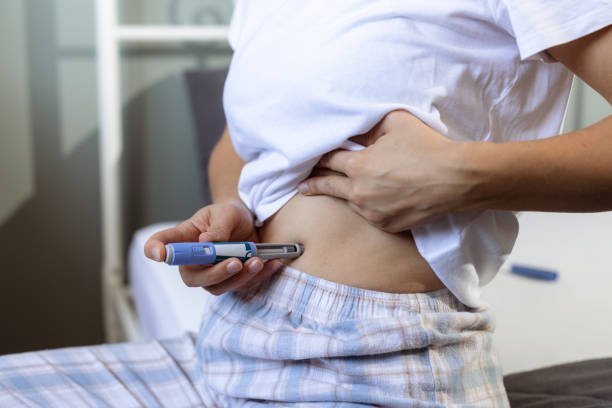
Cigna Coverage for Ozempic
Ozempic is generally covered by Cigna for type 2 diabetes. It’s one of the most widely covered GLP-1 drugs under Cigna plans when used to control blood sugar levels in adults with type 2 diabetes.
But it’s not quite that simple. Ozempic is only approved as a first-line medication for type 2 diabetes if the patient also has existing cardiovascular disease or is at high risk for it.
Cigna generally requires that metformin be used first, and if it is ineffective, then it is approved for other patients with type 2 diabetes.
Cigna doesn’t cover Ozempic if it’s being used for weight loss alone. The FDA approves it for diabetes, and Cigna’s policy strictly reflects this.
Does Cigna Cover Wegovy?
Wegovy is semaglutide at the higher dose for weight loss, and is covered under many Cigna plans for chronic weight management. But it always requires prior authorization and has specific criteria.
To receive Cigna coverage of Wegovy, you typically must have all of the following:
You should have a body mass index (BMI) of 30 or above. Or a BMI of 27 or higher and at least one weight-related condition, such as hypertension, type 2 diabetes, obstructive sleep apnea, or cardiovascular disease.
You will need to prove that you have tried to change your lifestyle and diet for at least three months. This means you need documentation that you tried lifestyle intervention first.
No other GLP-1 medication is being used.
Cigna recently announced a major policy change in 2025 by limiting the monthly maximum out-of-pocket costs to $200 for Wegovy and Zepbound for certain employer plans via its Evernorth benefit program.
This is good news for Texas patients with employer plans managed by Cigna or Express Scripts.
Is Mounjaro Covered by Cigna?
Mounjaro is covered for type 2 diabetes by Cigna with prior authorization. Its coverage is very similar to Ozempic. Prior authorization is required and may include step therapy. This means Cigna may require you to try other diabetes drugs first, based on your plan.
In terms of weight loss, Mounjaro is not FDA-approved for weight loss (Zepbound is). If you have Mounjaro prescribed for weight loss (off-label), it’s highly unlikely that Cigna will cover it.
Does Cigna Cover Zepbound?
Zepbound is the weight-loss version of tirzepatide and the most recent addition to the GLP-1 class. Cigna coverage varies. It is not covered on all plans, but it has been added to Cigna’s national formulary, and the $200 monthly cost-share program offered by Evernorth covers Zepbound, too.
When Zepbound is covered, it always requires prior authorization. The criteria are the same as for Wegovy, including:
- BMI of 30 or higher
- BMI of 27 or higher
- Have a weight-related condition
- Have had a lifestyle intervention for at least three months
Prior Authorization for GLP-1 Medications with Cigna
To approve a GLP-1, Cigna requires a Prior Authorization. This means your provider needs to fill out a form for Cigna to show you need the drug.
Cigna will look for certain things in your medical record. They want to see:
- Recent blood test results show high blood sugar (A1C)
- A record of your BMI over time
- Evidence that you have tried other approaches
Cigna generally requires “step therapy”. This means they want to see that you have tried cheaper drugs (such as metformin) and lifestyle changes (such as diet and exercise), and it has not worked. If your doctor does not provide this information, Cigna will reject the claim.
Details of Cigna Plans in Texas
You also need to be aware that coverage will vary depending on your geographic location and plan. Cigna has a number of networks in Texas, such as Local Plus, Open Access Plus, and HMO plans.
- HMO Plans: If you have a Cigna HMO plan in Texas, you will need a referral from your primary care provider to see a weight-loss specialist or endocrinologist. You also have to use certain pharmacies, and sometimes Cigna will require these medications to be sent to a “specialty pharmacy” instead of your local CVS or Walgreens.
- PPO / Open Access Plans: If you have a Cigna PPO, you will have more flexibility to see a specialist without a referral, but your copays or coinsurance for a Tier 3 or specialty drug will be higher.
So, always make sure you log into your Cigna account or call the member services phone number on the back of your Texas insurance card to review your drug formulary list.
What Cigna Will Not Cover for GLP-1 Drugs
You will not get approval in the following situations:
- Cigna does not cover GLP-1 medications for type 1 diabetes. The medications are not approved for use in type 1 diabetes.
- Does not cover GLP-1 medications for metabolic syndrome, unless you also have type 2 diabetes.
- You cannot be covered for two GLP-1 medications at once.
GLP-1 medications that are compounded, such as those made by a pharmacy rather than FDA-approved manufacturers, are not covered by Cigna.
How Much Will GLP-1 Medications Cost With Cigna?
Getting approval from Cigna does not mean the medication will be affordable. Most Cigna formularies place GLP-1 medications in tier 3 or 4. This means they cost more than the typical generic drug. Insurance costs can vary from about $25 to $200 per month, depending on whether your deductible is met and what type of plan you have.
- Deductibles: You have to meet your annual deductible (often $1,500 to $3,000 or more) before many Cigna plans will pay for specialty weight-loss and diabetes medications.
- Copays vs. Coinsurance: After the deductible, you will pay either a fixed copay or coinsurance (a percentage of the drug’s cost, ranging from 20% to 30% of the $1,000+ retail cost).
- Manufacturer Savings Cards: If you have a commercial (private) Cigna plan, you can likely use the drug company’s savings card, which will reduce your cost to as low as $25 per month.
But be aware that you are not allowed to use these cards if your Cigna plan is paid for by a government program like Medicare or Medicaid.
How Much is GLP-1 Medication Without Cigna Insurance?
GLP-1 medications cost a lot without insurance. The cost can vary somewhat between pharmacies, but here is the approximate cost without insurance in Texas:
- Semaglutide (Ozempic for diabetes): $950 to $1,000 for a one-month supply.
- Semaglutide (Wegovy for weight loss): Around $1,300 and $1,400 a month’s supply.
- Tirzepatide (Mounjaro for diabetes): About $1,000 to $1,100 for a month’s supply.
- Tirzepatide (Zepbound for weight loss): Approximately $1,050 to $1,150 for a one-month supply.
GLP-1s and Medicare in Texas
GLP-1 medications have not traditionally been covered for weight loss under Medicare, but are covered for type 2 diabetes under Part D.
But this is about to change. In December 2025, the Centers for Medicare and Medicaid Services (CMS) announced the Medicare GLP-1 Bridge program, starting July 1, 2026. This will allow eligible Medicare Part D beneficiaries to access GLP-1 drugs for weight loss with a $50 monthly copay. Medicare beneficiaries are eligible if they have a BMI of 35 or greater, or a BMI of 27 or greater with a diagnosis of pre-diabetes, history of heart attack, history of stroke or peripheral artery disease.
This is a good change for Medicare patients in Houston and Texas.
How to Ensure You Get Approved
There is a right way and a wrong way to get these medications.
You should never try to get a GLP-1 prescription from a fashionable med spa or an online health clinic. These types of clinics may not be covered by insurance, or if they are, they don’t know how to work with Cigna’s stringent Prior Authorization process.
The best course of action is for you to go to a reputable primary care clinic. Primary care knows how to code your diagnosis for Cigna.
They know how to order all the lab tests, record your trial-and-error history with previous medications, and send a solid Prior Authorization so that you get approved.
Bottom Line
So, does Cigna cover GLP-1 medications? Yes, but not all plans cover all medications. It requires prior authorization with specific documentation. It’s important to understand what your plan covers, what is required, and how to get prior authorization.
And, to obtain approval for advanced metabolic care, it requires a medical provider who knows the science and the insurance game.
If you are having trouble with your weight and/or blood glucose and need to know how to get approval, Lola, one of our integrative primary care nurse practitioners, offers evidence-based chronic disease management and individualized treatment strategies to help patients achieve optimal health outcomes.
If you live in Houston and are interested in getting coverage for GLP-1 medications through your Cigna plan, book an appointment with Kairos Today!