
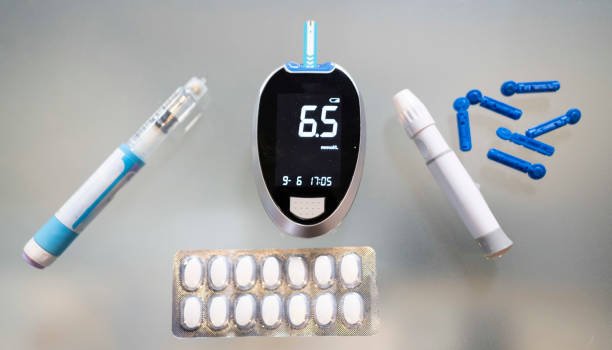
Two of the most widely used medications for type 2 diabetes are metformin and GLP-1 medications. Metformin has been the standard treatment for type 2 diabetes for many years. It was cheap, well-researched, and it was a very effective medication for many. It is mostly covered by your Insurance.
On the other hand, GLP-1 drugs such as Ozempic are newer and interact with your body’s hormones to help lower your blood sugar, suppress your appetite, and reduce heart disease, all in one.
They are both effective and well used throughout the US, including in Texas. But if you are deciding between the two, which one is actually the better fit for you right now?
How Metformin and GLP-1 Work Differently
Metformin is a pill and is usually taken one or two times a day with meals. It’s used in your liver and makes your liver stop making so much sugar, and helps your body respond better to the insulin you have.
It doesn’t increase your body’s insulin production. It just makes your body use the insulin it already has. That’s why it’s safe, predictable, and has very little chance of causing low blood sugar by itself.
GLP-1 is a drug that you inject once a week into the skin. It is used in your stomach and brain. It slows down how quickly food moves through your stomach, and it sends signals to your brain that you are satiated, or satisfied.
It’s a drug that does four things at once, which is why it shows better results, unlike anything we’ve seen in medicine before.
In simple terms, metformin manages your blood sugar quietly in the background. GLP-1 medications manage everything that happens from the moment you eat.
Diabetes Care vs. Chronic Weight Management
Doctors consider your main health goals when they prescribe medication.
Metformin is the first line treatment for Type 2 diabetes. It’s probably the first drug a doctor will reach for if you have high blood sugar. It’s only used to lower your blood sugar levels. It can lead to weight loss, but this is only a secondary effect.
GLP-1 drugs have also been developed to treat diabetes. But their use has evolved. Nowadays, because they’re so amazing at suppressing your appetite, they’re used to manage obesity and excess weight.
If you’re looking to lose a lot of weight to reduce pain and pressure on your joints and heart, GLP-1 is generally the preferred medication.
Metformin and GPL-1 for Weight Loss
Metformin is weight neutral. A few people will lose 2-5 pounds when they start it. That is it. Metformin is not a weight-loss drug and doesn’t produce significant weight loss for most of the people.
GLP-1 medications produce a completely different outcome. In the STEP 1 clinical trial, the average weight loss of people taking semaglutide was 14.9 percent of their total body weight after 68 weeks. Tirzepatide has shown up to 20 percent or more. For a 250-pound person, that’s 37 to 50 pounds’ worth of weight loss.
So, if you want to lose weight as well as lower your blood sugar, metformin may not be effective for you.
Metformin and GPL-1 for Cardiovascular Health
Metformin has been shown to have modest benefits for heart disease in older trials, especially in overweight people with type 2 diabetes. But it’s not approved for cardiovascular protection, and more recent studies are less definitive.
On the other hand, GLP-1 like Liraglutide and semaglutide have both been shown to decrease the risk of heart attack, stroke, and death from cardiovascular disease in large-scale trials.
This was so significant that major health organisations now specifically recommend GLP-1 medications for people with type 2 diabetes and existing heart disease.
If you’re worried about both your heart and your diabetes, GLP-1 medications provide a degree of protection that metformin can’t.
Metformin and GPL-1 Side Effects
These medications can both lead to gastrointestinal upset, but the causes are different, so this alters your approach to taking the medication.
Metformin’s most common side effects are:
- Nausea
- Stomach cramps
- Bloating
- Gas
- Diarrhea
- Poor Digestion
- Metallic taste in the mouth
To avoid this, metformin should be taken with food, and your doctor will usually increase the dose gradually over a period of several weeks. Metformin should not be used in those with severe kidney disease. Your doctor will test your kidneys before starting the drug and will check them periodically while you are on it.
The most common problems with GLP-1 are nausea and constipation. This is because the drug slows down the digestive process. GLP-1 side effects may include:
- Nausea
- Diarrhea
- Constipation
- Vomiting
- Bloating and gas
- Heartburn and indigestion
- Reduced appetite
If you want to use GLP-1 safely, you will need to eat smaller meals. You will feel sick if you attempt to eat a large meal. The medication may cause rare but serious side effects, such as pancreatitis and gallbladder disease. GLP-1 medications should not be used by patients who have medullary thyroid carcinoma or MEN2 syndrome, or have a family history of either.
Metformin and GPL-1 Cost and Insurance Coverage
Metformin has been used for years. It is a low-cost generic medication. As a result, it is almost always covered by insurance and is very affordable even without insurance (just a few dollars per month).
GLP-1 drugs are relatively new and still have brand-name patents. They are very expensive. Without insurance, they cost more than $1,000 per month. And if you have insurance, it can still be expensive. It’s hard to get insurance to cover a GLP-1. Insurance providers will likely require that you provide proof that you have type 2 diabetes or are obese.
Metformin and GPL-1 for PCOS
Polycystic ovary syndrome (PCOS) is a common hormonal disorder among women of childbearing age. It’s also strongly linked to insulin resistance, which is why metformin and GLP-1 drugs are used in its treatment.
Metformin has been used to treat PCOS for many years and is well supported by evidence. It improves insulin sensitivity and can help women resume ovulation and lose a bit of weight.
GLP-1 drugs are relatively new for PCOS but have promising evidence. Women with PCOS who are obese and lose 10 to 15 percent of their weight with GLP-1 medications have shown significant improvements in their menstrual cycle and fertility.
You should discuss with your provider whether GLP-1 medication may be beneficial for your PCOS.

Which One Is Right for You?
Metformin is the first medication to consider if you have recently been diagnosed with type 2 diabetes, your blood sugar level is only slightly elevated, and you don’t have major heart disease. It is safe, well-tolerated, and covered by nearly all insurance policies.
A GLP-1 medication is a better choice, or is needed to add to metformin, if you’re not getting your blood sugar under control. If your A1C is still too high, doctors will often use both medications together because they work in different ways to protect your body.
If you are obese and/or at risk of heart disease, or have polycystic ovary syndrome (PCOS) with insulin resistance, you are probably a good candidate for a GLP-1 medication. They were made for this
You should schedule an appointment with a primary care provider to decide if these suit your specific health profile. At Kairos Integrative Care, Lola, one of our nurse integrative nurse practitioners, reviews your lab results and A1C (blood sugar level over the past 3 months), to make the safest and most cost-effective choice for your health.
We proudly serve patients in Houston, Sugar Land, and nearby areas (77046 & 77478) and accept major insurance plans, including Blue Cross, Aetna, Ambetter, Cigna, and more.
New patients are always welcome, and if visiting the clinic isn’t possible, telemedicine appointments are available across the entire state of Texas.
Book your appointment today!