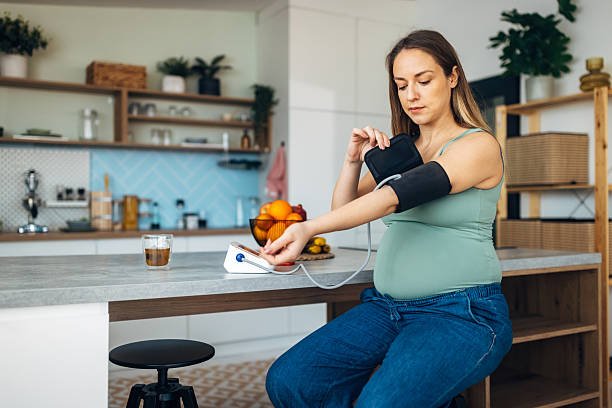
Pregnancy is a beautiful time of happiness and hope. But it can also bring some unexpected health issues. Some women develop high blood pressure during pregnancy, which is also called gestational hypertension or preeclampsia. This can cause complications for both the mother and the baby during the pregnancy.
It is believed that around 5% to 10% of women are affected by high blood pressure during pregnancy, and the number of cases is rising year after year.
The key is to consult your doctor regularly, and if there is a problem with blood pressure, you will be given the right treatment, and you can keep your blood pressure under control even before you get pregnant.
Types of High Blood Pressure During Pregnancy
High blood pressure during pregnancy occurs when the force of blood against your artery walls is extremely high. Your BP is considered normal when the reading is between 120/80 mmHg.
But in case you are pregnant and have readings higher than 140/90 mmHg consistently, it might be a sign of high blood pressure in pregnancy.
Different types of high blood pressure may occur during pregnancy:
- Chronic hypertension: This is a condition that either exists before pregnancy or is diagnosed during the first 20 weeks of pregnancy. It is a pre-existing condition that is not caused by pregnancy. Most of the time, it stays even after delivering the baby. Your provider will modify your blood pressure medications, as not all of them are safe during pregnancy.
- Gestational hypertension: This is the type of hypertension that develops during pregnancy, typically after 20 weeks. It can occur to anyone, even if you previously had normal readings. It is considered the milder form of BP as compared to others, but it still needs close monitoring. There are no signs of organ damage, such as protein in the urine. Your BP usually returns to normal within 12 weeks after delivery. But in some cases, it can progress to preeclampsia.
- Preeclampsia: It is a very dangerous condition that can happen during pregnancy. It is accompanied by high blood pressure along with signs of organ stress or damage, most commonly affecting your kidneys and liver. It may occur even in women whose blood pressure was normal previously.
If it’s not treated, it can cause various complications such as seizures, a stroke, or multi-organ failure.
Why Does High Blood Pressure Happen During Pregnancy?
There is no single cause of high BP, but it is usually a combination of factors that influence how your body adjusts to pregnancy.
- Blood Vessel Changes: Pregnancy triggers the formation of new blood vessels in your body to provide for the baby. Sometimes, these new vessels fail to develop or function properly, resulting in high blood pressure.
- Problems with the Placenta: The placenta is crucial for providing food to your baby. Abnormal attachment or growth of the placenta can harm the blood supply and cause preeclampsia.
- Hormones: The pregnancy hormones influence the blood vessels’ ability to relax and contract. In some women, this can raise blood pressure.
- Blood Volume Increase: During pregnancy, your body generates more blood. This is a normal process, but if the heart and blood vessels are not strong enough, they might get overstrained.
Symptoms of High BP or Preeclampsia
High blood pressure during pregnancy can be tricky because sometimes you may feel completely normal. Therefore, many cases are detected for the first time during routine checkups. That’s why it’s very important to go for regular prenatal check-ups.
Some of the common symptoms include:
- Severe Headaches
- Vision loss or seeing spots
- Sudden swelling in the face, hands, or around the eyes
- Gaining more than 12 kg in a short time
- Pain under your ribs, usually on the right side
- Nausea or vomiting
- Urinating less than usual
- Shortness of Breath
Also note that severe headaches, vision problems, sharp abdominal pain, and difficulty in breathing could be signs of severe preeclampsia that require immediate medical attention.
High Blood Pressure Complications
During pregnancy, high blood pressure may cause different problems for the mother and baby. Without timely treatment, high blood pressure may lead to the following complications:
For mother:
- It can cause organ damage, mainly the kidneys and liver
- Can affect multiple organs at the same time
- Increased chance of getting severe headaches, vision problems, or even having a stroke
- Seizures (Eclampsia)
- HELLP Syndrome
- Early delivery risk
For baby:
- The growth of a baby is slower than normal
- Premature delivery before 37 weeks
- Low birth weight
- Stillbirth (risk of fatal death)
Some research suggests babies from hypertensive pregnancies are at a greater risk of developing cardiovascular diseases or metabolic disorders such as diabetes later in life.
Functional Tips to Prevent High Blood Pressure During Pregnancy
To prevent high BP during pregnancy, you have to live a healthy lifestyle that helps you and your baby stay safe during pregnancy. Below are some tips you can start following today:
- Get regular check-ups for your BP during pregnancy, even if you feel healthy.
- Eat a balanced diet with good protein, fiber, and fats, and don’t go for a long time without eating.
- Adding protein to your diet every day can help the placenta develop and maintain fluid balance.
- Do a light, regular exercise like walking, prenatal yoga, or simply stretching to get your blood circulating.
- Try to sleep on your left side. This will increase the blood flow to the placenta.
- Avoid processed foods, but don’t completely eliminate salt as your body still needs it.
- Make it a habit of drinking water throughout the day to keep your blood volume normal.
- Manage your stress by taking short breaks, deep breathing exercises, or simply finding some quiet moments.
- Try to gain weight at a slow, steady pace rather than rapid spikes.
- Take more calcium and magnesium from dairy, leafy greens, nuts, and seeds.
- Cut back on packaged snacks, fast food, and sugary drinks to reduce the risk of both inflammation and high blood pressure.
- Don’t drink too much caffeine and follow your doctor’s instructions.
- Know your personal risks, such as chronic hypertension, diabetes, or multiple pregnancies.
Final Thoughts
High blood pressure during pregnancy can be concerning, because its symptoms are not visible in the beginning. But with the right care and support, it can be managed safely.
At Kairos Integrative Care, Lola, one of our integrative nurse practitioners, looks at the root-case and combines medical expertise with personalized care, to help you navigate pregnancy with confidence and clarity.
If you’ve been diagnosed with high blood pressure during pregnancy, or simply want reassurance and guidance, our providers are here to help.
We proudly serve patients in Houston, Sugar Land, and nearby areas (77046 & 77478) and accept major insurance plans, including Blue Cross, Aetna, Ambetter, Cigna, and more.
New patients are always welcome, and if visiting the clinic isn’t possible, telemedicine appointments are available across the entire state of Texas.
Book your appointment today!