

Many people try to eat healthy, but don’t realize that the type of oil they use every day can make a big difference in their overall health. Why are Seed Oils Bad? They can contribute to fatigue, stubborn weight, hormone imbalances, high blood pressure, or digestive issues.
At Kairos, we see it all the time: patients come in struggling with fatigue, stubborn weight, hormone imbalances, high blood pressure, or digestive issues, and they’re shocked when something as simple as the oils in their food could be playing a major role.
It is important to understand what seed oils are and how they impact the body can help you make better choices for long-term health.
What Are Considered Seed Oils?
Seed oils (like soybean oil, sunflower oil) are vegetable oils made from the seeds of plants. They’re usually processed with high heat and chemical solvents, which can remove natural nutrients and create harmful compounds.
You’ll find these oils almost everywhere. It is present in packaged snacks, fried foods, salad dressings, fast food, and even in many foods labeled as “healthy.”
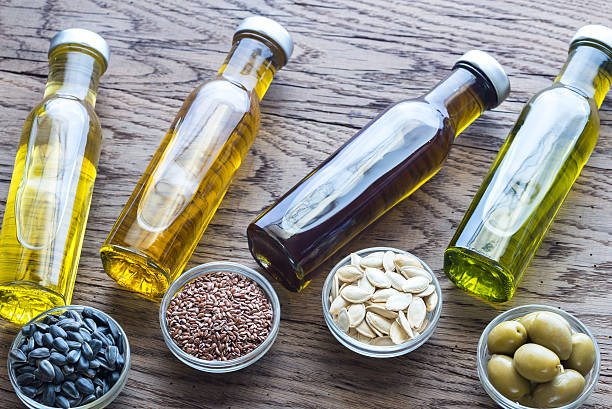
Why are Seed Oils Bad?
The issue with seed oils is not that they’re all bad. It’s that they are loaded with omega-6 fats. Our bodies do need omega-6, but it only works well when it is nicely balanced with omega-3.
The problem is, most people today eat 10 to 20 times more omega-6 than omega-3, while a healthier balance would be more like 2 to 4 times more omega-6 than omega-3.
When the scale tips too far, omega-6 can actually cause inflammation instead of calming it down. And over time, that kind of constant inflammation is linked to heart disease, diabetes, and autoimmune issues.
This is why packaged snacks, fried foods, and even many “health” foods can secretly make symptoms worse over time.
Impact on Women’s Health
1. Hormonal Imbalance & Period Pain
Women are naturally very sensitive to inflammation because of the constant interplay between estrogen and progesterone. Too much omega-6 can make this worse, leading to irregular cycles, heavier periods, and worsening PMS.
For women in perimenopause or menopause, excess seed oils may contribute to hot flashes, stubborn belly fat, and mood swings.

2. Fertility & Pregnancy
Research suggests diets high in inflammatory fats can affect egg quality and even fetal development. During preconception and pregnancy, swapping out seed oils for healthier fats like olive oil, avocado oil, or omega-3-rich foods can make a meaningful difference for both mother and baby.
3. Skin & Weight Struggles
Because seed oils hide in so many foods (salad dressings, protein bars, nut butters), women often notice inflammation showing up as acne, eczema, or dull skin. It also makes it harder to lose weight, especially around the belly, even with a healthy diet.
Impact on Men’s Health
1. Low Testosterone & Poor Fertility
Inflammation from excess seed oils can lower testosterone, reduce sperm quality, and contribute to fatigue and mood changes. Men who eat a lot of fried foods or fast food may feel weaker in the gym, more irritable, or notice stubborn weight gain.
2. Heart & Metabolic Health
Seed oils raise the risk of oxidized LDL cholesterol, which damages blood vessels and increases the risk of heart disease. Combined with processed carbs, this drives insulin resistance, leading to belly fat and higher diabetes risk..

3. Energy & Performance
For active men, a diet high in seed oils can mean slower recovery, more joint pain, and less stamina over time. Swapping to anti-inflammatory fats helps protect performance and long-term vitality.
Why Both Men and Women Should Rethink Seed Oils?
If you are working to protect your health, seed oils are not for you. For men, they can drain energy and put extra strain on the heart. For women, they can throw hormones off balance and make fertility harder to maintain.
The diet that is high in seed oils has been tied to non-alcoholic fatty liver disease, insulin resistance, and metabolic syndrome in everyone. Also, studies in both animals and humans show that replacing seed oils with more stable fats, such as olive oil, avocado oil, or moderate amounts of butter or ghee, supports your metabolic health and reduces your inflammation.
Is Sunflower Oil Bad for You?
Sunflower oil often gets marketed as heart-healthy, but the truth is a little different. Most sunflower oil is very high in omega-6 fatty acids, which can cause inflammation if your diet is already unbalanced.
There is one type called high-oleic sunflower oil that’s a bit better because it has healthier monounsaturated fats. But the regular kind, which is used in many processed foods, can still raise your inflammation and even affect your hormones if you eat it often.

Seed Oils You Should Avoid
At Kairos, we teach our patients how small swaps can make a big difference in health. One of the biggest changes is cutting back on seed oils.
Following is a list of seed oils you should avoid:
- Soybean oil
- Corn oil
- Canola oil
- Sunflower oil
- Safflower oil
- Cottonseed oil
- Grapeseed oil
These oils often hide in chips, crackers, frozen meals, and most fried foods at restaurants. That’s why we guide patients to read labels and choose healthier oils instead, so they can lower their inflammation.
Healthier Alternatives to Seed Oils
When life gets busy, it’s easy to reach for quick foods that often contain seed oils. Following are a few tips that can make it easier for you to manage health without adding extra stress:
- At home cooking: Swap canola or soybean oil for olive or avocado oil when roasting veggies or sautéing. Instead of margarine, use grass-fed butter or ghee in moderation.
- Salad dressings: Most bottled dressings use soybean or sunflower oil. Make your own with olive oil, lemon juice, herbs, or balsamic vinegar. You can also choose dressings from clean brands like chosen foods
- Packaged snacks: Chips, crackers, and even protein bars often hide seed oils. Swap for nuts, guacamole cups, or hummus with carrots/celery.
- Eating out: Most restaurants cook with cheap oils (soybean, canola). Tips: • Ask if they can prepare your protein grilled or baked instead of fried. Choose dishes like grilled salmon, chicken, or steak with veggies instead of fried sides.
- Avoid “crispy” or “fried” menu words: they almost always mean seed oils.
- Mexican restaurants: opt for fajitas (grilled) instead of chips or fried items.
- Burger places: order without fries, ask for lettuce-wrap or bunless burger.
- Meal prep to cut reliance on eating out: Prep proteins (chicken, salmon, boiled eggs) in bulk with clean oils, cook a pot of quinoa or rice ahead of time, and keep frozen veggies handy. This way, when you’re busy, you’re less tempted to grab takeout cooked in seed oils.
Conclusion
Seed oils can affect your health more than you think. Switching to healthier fats and keeping your omega-3s balanced can ease inflammation and support your hormones without needing to be perfect.
At Kairos Integrative Care, Lola, one of our board-certified practitioners, combines medical therapies with personalized guidance to ease your symptoms and prevent them from coming back.
We see patients in Houston, Sugar Land, Richmond, and nearby areas (77046 & 77478) and accept major insurance plans, including Blue Cross, Aetna, Ambetter, Cigna, and more.
New patients are always welcome, and if you can’t make it to the clinic, telemedicine visits are available anywhere in Texas.
Book your appointment today!