
Only heavy drinkers get liver disease; that is a common misconception. Millions of people all over the world are unaware of the symptoms of this disease.
As per statistics, currently, around 25% of the world’s population is living with fatty liver disease. It is the most prevalent chronic liver disorder in the United States, with around 80 to 100 million adults being affected. In Texas alone, these rates are climbing faster.
Fatty liver disease normally does not cause pain at first. By the time you actually feel sick, the liver is often already severely damaged.
What causes fatty liver disease? It occurs due to various factors such as health, lifestyle, metabolism, etc. If you don’t treat it timely, it may progress to cirrhosis or liver cancer.
What Is Fatty Liver Disease?
Fatty liver disease develops due to the presence of excess fat in your liver cells. This means that a little amount of fat in your liver is natural, but when the fat content is over 5-10%, it can be problematic.
It has two common types:
- Alcoholic Fatty Liver Disease (AFLD): It occurs due to drinking too much alcohol
- Non-alcoholic fatty liver disease (NAFLD): It occurs with no significant consumption of alcohol, mostly due to metabolic factors
Traditionally, it was known as Non-Alcoholic Fatty Liver Disease (NAFLD), and the development of medical science recognized that this problem is very much metabolic. So this term is evolving from its current name to Metabolic Dysfunction-Associated Steatotic Liver Disease (MASLD).
Now, it is the most common type, particularly among obese individuals or those who are living inactive lives.
Primary Causes of Fatty Liver
If you do not consume alcohol, how does fat accumulate in your liver? Fatty liver is due to various factors, including diet, metabolic abnormalities, toxin exposure, and genetic predispositions. Here are some of the underlying factors causing fatty liver disease:
1. Insulin Resistance and Excessive Fructose Consumption
This is the single biggest contributor to fatty liver among non-drinkers. If your diet includes foods that are rich in sugars and refined carbs, such as high-fructose corn syrup in sodas and processed foods, your cells become insulin-resistant. As a result, there will be an increase in blood glucose, which will result in fat accumulation in your liver.
The truth is that many studies indicate that almost all the patients with NAFLD are insulin resistant, even without being diabetic.
Moreover, some researches reveal that approximately 70% to 90% of people suffering from type 2 diabetes may also develop fatty liver.
2. Toxic Belly Fat & Obesity
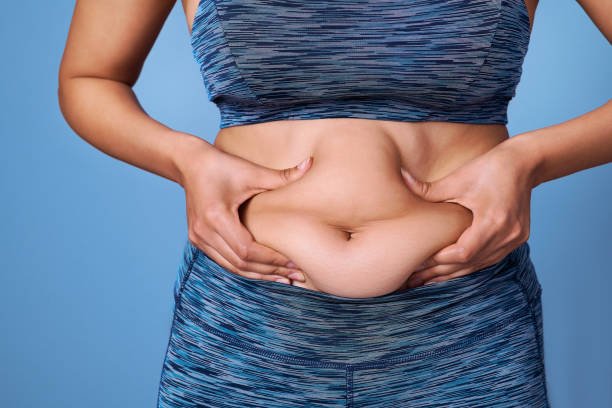
Normal fat that lies under your skin isn’t very harmful. But visceral fat is dense fat that surrounds your organs within your abdomen.
This type of fat is different from the fat that you can pinch on your skin (subcutaneous fat). Visceral fat is located inside your body, so that’s the reason why many people don’t even know they have it.
Visceral fat continuously secretes inflammatory substances and free fatty acids through the portal vein to your liver.
Around 60% to 80% of obese individuals are also at risk of getting fatty liver.
Your waist measurement is usually a more reliable indicator than your total body weight. If your waist is more than 35 inches (for women) or 40 inches (for men), there’s a chance that your liver is being harmed by the fat in your belly.
3. No or Less Physical Activity
Physical inactivity makes it difficult for your body to effectively utilize the energy derived from the food you eat, hence increasing the accumulation of fats, particularly within your liver.
It is important to note that even if you are at your ideal weight, spending a lot of time sitting down without any movement can still raise the risk.
Therefore, it is highly recommended that you engage in moderate physical activities like walking and strength training for a total of at least 150 minutes per week.
4. Gut Dysbiosis (Leaky Gut)
Gut dysbiosis means there is an imbalance of good and bad bacteria in your gut. When this balance is disturbed, it can damage the gut lining and cause a “leaky gut.”
Your liver is directly connected to the gut. If you have unhealthy bacteria in the gut, these toxins go through the gut wall to get into the liver. This results in serious inflammation.
Since the liver is essentially the main organ that filters substances coming from the gut, any damage to the gut will stress the liver
Research indicates that fatty liver disease patients have high levels of endotoxins in the blood. Endotoxins are toxins produced by your gut bacteria.
5. Your Genetics and Ethnicity
The DNA you carry is extremely important when it comes to how your body reacts to fats.
Medical researchers have found out that there is a particular genetic mutation called PNPLA3, which predisposes people to high fat accumulation and formation of scars on the liver regardless of their weight.
Besides, some ethnic groups suffer from fatty liver far more than others. People of Hispanic ethnicity are at a much greater risk of developing fatty liver as well as advanced liver scarring than any other ethnic group.
6. Alcohol Consumption
Even though NAFLD means “Non-Alcoholic Fatty Liver Disease,” alcohol consumption in any form can make it even more severe.
The moment you drink alcohol, your liver considers it a poison, and the first priority becomes converting it to energy before using fat for energy production.
Your liver can metabolize only one unit of alcohol per hour. When this threshold is exceeded frequently, it creates toxins that eventually damage the liver.
Alcohol is among the well-established causes of fatty liver disease. However, it should be noted that fatty liver disease can occur even without alcohol consumption.
7. Medications
Despite hidden conditions, some medicines can interfere with the proper functioning of the liver and cause fat accumulation. These may include:
- Steroids
- Medicines used for the treatment of cancer, such as tamoxifen
- Chemotherapy medications
- Long-term use of certain drugs
- High-dose methotrexate
- Some psychotropic and antidepressant medicines
Not everyone who takes these medicines will be affected. If you are obese, addicted to alcohol, or resistant to insulin, then your risk is higher.
How to Know If You Have Fatty Liver
Fatty liver often has no symptoms in the early stages. However, there are certain symptoms that can be observed, such as:
- Fatigue
- Slight pain in the upper right side of your abdomen
- Unexplained weight changes
- Yellowing of the skin or eyes
Your provider will diagnose it based on blood tests (liver enzymes), ultrasound or imaging, and in some cases, specialized liver scans
What to Do Next
If you catch it in the early stages, you can easily reverse what causes fatty liver disease before it turns into cirrhosis.
- Get a basic blood test and liver function test done
- Avoid beverages such as soft drinks, sweet tea, fruit juice, and energy drinks.
- Eat more soluble fiber, such as oats, flaxseeds, black beans, and Brussels sprouts.
- Heal your gut by taking a high-quality probiotic and eating fermented foods (like sauerkraut or kefir).
- Do a brisk walk or exercise 30-minute every day. This tells your muscles to burn the fat that is clogging your liver.
- Fix any other related illnesses such as diabetes and hormonal imbalances
Conclusion
The factors behind what causes fatty liver disease are continuously harming your body. You can find out exactly where you stand.
When it comes to testing, it starts with simple routine blood work to check your liver enzyme levels (like AST and ALT), along with metabolic markers like blood sugar and triglycerides or some CT scans.
For treatment, a high-protein, low-sugar diet combined with regular physical activity and strict management of diabetes or high cholesterol works best. Since your liver is the only body organ capable of complete regeneration, starting treatment early can not only stop the fat accumulation but also repair the damage done.
At Kairos Integrative Care in Texas, Lola, one of our integrative nurse practitioners, is here to help you get these answers.
We use advanced lab testing to catch liver issues early and guide you through the right treatment methods to reverse it.
Our team combines functional medicine with primary care in Houston, Sugar Land, and Richmond, Texas. We accept major insurance plans, including Blue Cross, Aetna, Ambetter, Cigna, and more.
New patients are always welcome, and if visiting the clinic isn’t possible, telemedicine appointments are available across the entire state of Texas.
Book your appointment today!