

Creatine is one of the most studied supplements in the world. It is known to help with muscle strength, energy, and even brain function, which is why so many people now include it in their fitness or wellness routine.
But recently, many people are raising concerns about does creatine cause high blood pressure. It is a good question, and worth looking into.
In this article, we’ll look at what the research really says, why some people see a small rise in blood pressure.
Does Creatine Cause High Blood Pressure?
For most healthy people, the answer is No.
Multiple studies have shown that creatine does not raise blood pressure even when it is used for weeks or months, particularly by both young and older adults.
In fact, creatine has so many cardiovascular benefits. Some research shows creatine can:
- Help endothelial blood vessels work better. These are the cells that line your arteries and control blood flow,
- Lower homocysteine, which is linked to heart problems
- Support energy production in your heart and skeletal muscles
So, why do some people still notice a rise in blood pressure? Let’s look at that next.
Possible Mechanisms for BP Increase
It is very rare, but a few groups of individuals do notice a small, temporary rise in their blood pressure when taking creatine. If that is you, here are a few reasons why it is happening to you:
1. Water Retention or Volume Expansion
Creatine pulls water into your muscle cells. This is the stage that helps with your performance and recovery.
But for some people, this can cause the fluid to build up outside of cells (extracellular fluid retention). This kind of fluid retention is called volume expansion. This expansion slightly raises your blood pressure, especially if you:
- Are sensitive to salt
- Already have high blood pressure
- Remain dehydrated or you are not getting enough minerals like magnesium or potassium
The best part is that this effect is usually minor and can easily go away. You just need to stop or adjust your dose.

2. Electrolyte Imbalance or Poor hydration
As we know, creatine pulls water into your muscles, but if you are not getting enough potassium or magnesium, that extra water from creatine can disrupt the sodium balance and raise blood pressure.
Also, note that if you are low on potassium or magnesium, your body may struggle to balance BP, especially when creatine is added to the mix.
Many people start creatine without drinking more water or getting enough electrolytes. That mix of low minerals, creatine, and not enough hydration can more likely increase blood pressure.
3. Underlying Kidney Problems
When you take creatine, your body eventually breaks it down into creatinine, a waste product your kidneys are responsible for clearing out. For most people with healthy kidney function, this is not a problem at all.
But if your kidneys are not working as well as they should, it might be harder for your body to clear out creatinine.
- You should keep in mind that most healthy individuals flush out creatinine with no problem at all.
- However, some people with borderline kidney function or an undiagnosed issue might not clear creatinine easily.
- Also, high stress levels can raise cortisol, which can slow down kidney clearance, adding to the load.
This is not a very common issue. But if you have already had kidney problems, it is a good idea to check in with your provider.
4. Overstimulation from Workout
Some people take creatine along with pre-workouts, caffeine, or thermogenic, which can result in high blood pressure on their own. And others start training harder and more often, and that physiological stress puts your body into fight or flight mode.
It is not always the creatine behind BP. Sometimes it’s your training combo that pushes your blood pressure up.

Why Women Might React to Creatine Differently?
When you are in midlife, your body may respond to creatine differently, and that is completely okay. Hormonal changes, like low estrogen, can reduce how well your blood vessels relax.
On top of that, things like stress, dieting, or not getting enough electrolytes can highly affect how your body will handle supplements.
If you are taking creatine, keep an eye on the following signs:
- You have new or more frequent headaches
- You are always bloated or have puffiness
- A slight but steady rise in your blood pressure
How to Use Creatine Without Messing Up Your Blood Pressure?
1. Prioritize Electrolytes
You should support your hydration with key electrolytes when using creatine. We recommend getting enough potassium from foods like bananas and leafy greens, and magnesium from sources like pumpkin seeds or dark chocolate.
You should aim for at least 4,700 mg/day of potassium and 310–420 mg/day of magnesium. Also, add a pinch of sea salt to your meals or water. This little habit can help you keep a healthy balance.
2. Use Pure, Clean Creatine
You should use a pure creatine monohydrate. Because it is the most researched and safest form out there. We recommend skipping blends that contain caffeine, beta-alanine, or artificial additives, as these can complicate its absorption.
Instead, go for a third-party tested brand that clearly lists what is inside the bottle.
3. Adjust Your Dosage
You should start with a small amount, around 3g of creatine a day is enough for most people. This works well if you are smaller in height, a woman, or experiencing bloating or high blood pressure.
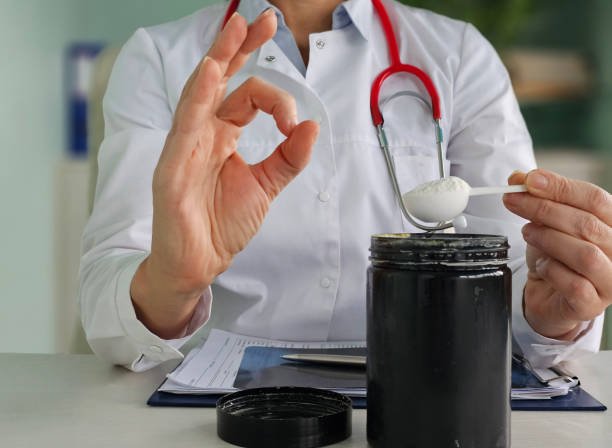
Some people even take it every other day and still feel the benefits. At Kairos, we recommend keeping the dose simple so that you can see what feels best for your body.
4. Watch Your Stack
Many people combine creatine with high doses of caffeine, pre-workouts, and fat burners, but this can put extra stress on your body.
You should keep your stack simple to avoid overwhelming your body. At Kairos Health, our goal is to give your body what it needs without overloading it with extra stimulants.
How to Monitor Creatine’s Impact on Your Blood Pressure
The following are the key tips you should follow if you are starting creatine:
- You should check your blood pressure before starting creatine
- Keep measuring your BP three times per week for the first 3, 4 weeks
- You must pay attention to any unusual signs, like bloating, dizziness, or headaches
- It is best to ask your provider for a few basic labs, such as an Electrolyte panel test (sodium, potassium, magnesium), creatinine eGFR, and cortisol.
Bottom Line
Creatine is generally safe and effective. You can expect benefits like better muscle strength, improved brain function, and support for heart health.
But for a small group of sensitive individuals, especially women in perimenopause or those with kidney or electrolyte issues, does creatine cause high blood pressure is an important question to consider.
At Kairos Integrative Care, Lola, one of our board-certified nurse practitioners, helps you find the right dose and track your response so you can enjoy all the benefits without compromising your health. We welcome patients in Houston, Sugar Land, Richmond, and nearby areas (77046 & 77478). We accept most major insurance plans like Blue Cross, Aetna, Ambetter, Cigna, and more.
We’re accepting new patients now. If you can’t come in person, we also offer telemedicine visits to patients across the entire state of Texas.
Book your appointment today!