
Digestive discomfort is something most of us ignore by thinking it is just from what we ate or after a stressful day. But if you regularly experience bloating, stomach cramps, or sudden bathroom changes, it is more than just an upset stomach. Irritable Bowel Syndrome (IBS) is widely known to affect millions of people around the world, yet it is still one of the most misunderstood digestive conditions.
Yes, it is not so dangerous but it can disrupt your daily life and your energy. At Kairos, we believe that the right understanding and care can manage the IBS symptoms
What is Irritable Bowel Syndrome?
Irritable Bowel Syndrome is all about how your gut works, not what it looks like on a scan. Doctors often call it a functional digestive problem. In the disease, the intestines look normal, but the way they move, squeeze, and react is wrong. Often, the mismatch between normal test results and real symptoms makes IBS so frustrating.
IBS is not a single disease. It is a group of symptoms that commonly include abdominal pain, bloating, and changes in bowel movements. It mainly affect the large intestine and may lead to bloating, cramping, gas, constipation, diarrhea, or a back‑and‑forth mix.
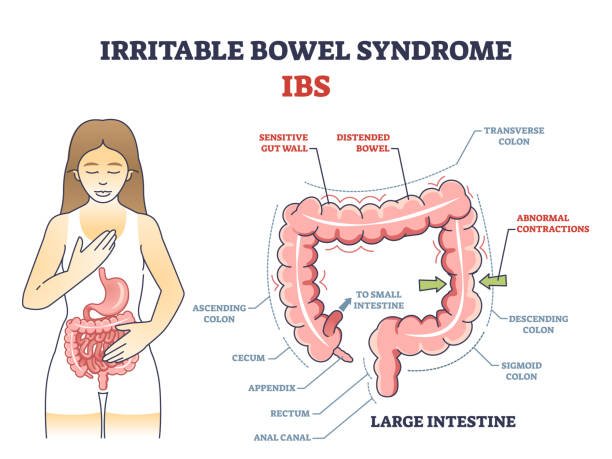
Unlike Crohn’s disease or ulcerative colitis, IBS does not damage the gut lining or cause long‑term scarring, but it can absolutely interfere with daily life. Your gut and your brain stay in constant contact through nerves, hormones, and immune signals and this connection is often called the gut‑brain axis. In IBS, this communication pathway becomes more sensitive, which is why stress, anxiety, or even certain foods can trigger symptoms.
Common Symptoms of Irritable Bowel Syndrome
In IBS, some people may experience constipation (IBS-C), others diarrhea (IBS-D), and some alternate between the two (IBS-M). The most common signs are:
- You may feel abdominal pain or cramping that eases after using the bathroom.
- You may feel bloated and completely full.
- Irregular bowel movement like diarrhea, constipation, or both.
- Some people notice mucus in their stool, which can be a sign of irritation.
- You might feel a sudden need to use the bathroom.
Some people may only experience them occasionally, but for others, it can become a daily struggle.
Signs You Might Have IBS
Certain foods like dairy, caffeine, or greasy meals cause stomach problems to some people. Stressful days can make it worse, too. If you’ve had ongoing bowel issues and discomfort for weeks or months, it might be IBS.
Ask yourself:
- Do you often feel bloated or have stomach cramps without any clear reason?
- Are you switching between constipation and diarrhea often?
- Do your symptoms come immediately after eating or during stressful times?
If you answered yes to any of these, it is a good idea to get checked to prevent any long-term issues.
What Causes Irritable Bowel Syndrome?
IBS usually does not come from a single cause. It often develops because of several factors working together, such as:
- Gut microbiome imbalance: Harmful gut bacteria can get out of balance, which affects digestion
- Stress and anxiety: Stress is the major cause behind it. It makes the gut more sensitive and triggers cramps or spasms.
- Food sensitivities: Foods like dairy, gluten, or high-fat meals can make symptoms worse.
- Hormonal changes: Hormonal changes, especially during periods, can make IBS worse.
Genetics may also be involved in this, but it is mostly caused by everyday habits and environmental factors.
How IBS is Diagnosed at Kairos
There is no single lab or scan that 100% diagnoses IBS. Instead, we listen to your symptoms and consider other conditions that can look similar, such as celiac disease, infections, or inflammatory bowel disease.
We check about how often you have bowel movements, what they look like, when pain shows up, and what makes it worse, such as your foods, stress, travel, menstrual cycle, etc. Patterns matter a lot.
Serious symptoms of blood, such as blood in the stool, unexplained weight loss, fever, anemia, or waking at night with severe pain, can point to IBS. If any of these are present, we do not immediately label it as IBS; we investigate further.
We may also run stool tests, colonoscopy, or breath tests to check for bacterial overgrowth or intolerances.

Treatment Options for IBS
IBS treatment is not the same for everyone because symptoms and triggers can vary. At Kairos Integrative Care, we look at your gut health as a whole and focus on what will actually help you feel better.
We often recommend:
- Strategies to manage stress with techniques like breathing exercises or gentle movement.
- Eat regular, balanced meals instead of skipping them.
- You may benefit from targeted diet changes, like reducing high-FODMAP foods or processed snacks that irritate your gut.
- Probiotics or supplements can help restore the number of good bacteria in your gut.
- Medication will be added if symptoms like pain, diarrhea, or constipation are severe.
Conclusion
Living with IBS can be overwhelming at times, but it does not have to run your life. Once you know what worsens your symptoms and have the right care, things can start to feel good.
At Kairos Integrative Care, Lola, one of our Board-Certified Nurse Practitioners, uses advanced testing and personalized plans to help you feel like yourself again. We serve patients in Houston, Sugar Land, and nearby areas (77046 & 77478) and accept most major insurance plans, including Aetna, Ambetter, UnitedHealthcare, Tricare & more.
Book your appointment today!