

Most of us don’t think much about our gut unless something feels wrong, but the truth is, it does far more than just break down food. Your gut controls your overall health and is quietly influencing everything from your energy and mood to your immune system.
When it is healthy, you hardly notice it. But when something is not okay, the signals can be loud, such as bloating that won’t go away, sudden food sensitivities, or that tired feeling you can not explain.
But at Kairos, we hear you and see these symptoms for what they are really pointing to.
What is Leaky Gut Syndrome?
Leaky gut syndrome occurs when the lining of your intestines, which is usually strong and tightly sealed, becomes weak and lose.
Leaky gut is like a gap that allows toxins, undigested food, and bacteria to slip into your bloodstream. This leakage can cause inflammation and trigger immune reactions throughout the body.
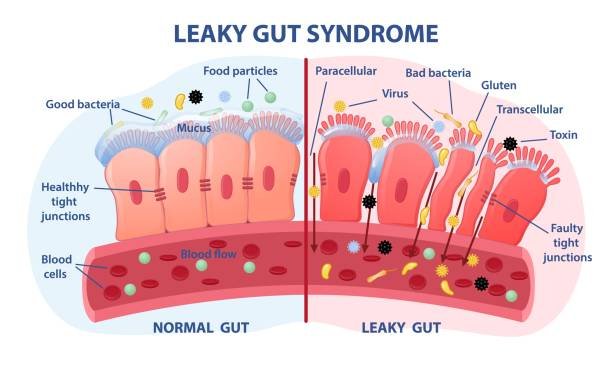
Some doctors might not call it leaky gut, but research does show that a weak or damaged gut lining is often called increased intestinal permeability. This is real and can affect your health in many ways. If you have Crohn’s disease, celiac disease, or even certain autoimmune problems, you are more prone to getting leaky gut syndrome.
What Causes Leaky Gut?
The following are several factors that can damage the gut barrier, and many people don’t even consider such factors:
1. Highly processed diets
High-processed diet can weaken your gut lining. Studies have revealed that foods loaded with refined sugar, white flour, fried oils, and additives feed the wrong bacteria in the gut, creating an imbalance that leads to overall inflammation. This constant irritation can weaken the tight lining, leading to leaky gut.
2. Low fiber intake
The good bacteria in your intestines highly depend on fiber from vegetables, fruits, beans, and whole grains to stay healthy and active. When fiber is low, those helpful bacteria start to die. As a result, your gut produces fewer short‑chain fatty acids, such as butyrate, which are essential for keeping the intestinal lining strong and resilient.
3. Chronic stress
Chronic stress is one of the biggest factors that can damage your gut lining. When stress lasts too long, it affects how food moves through your digestive system, reduces stomach acid, and even slows blood flow to the intestines.

According to research, stress signals sent through the gut‑brain connection can loosen the tight junctions in your gut lining, making it more permeable. This is why digestive issues often get worse during stressful times or major life changes.
4. Medications
Certain medications are highly linked to weakening the gut over time. Frequent use of antibiotics can remove good bacteria, while regular use of NSAIDs like ibuprofen is reported to irritate the gut lining and make it more permeable.
5. Alcohol load
Heavy drinking puts a lot of stress on the liver and can irritate the gut lining, increasing the chances of leaky gut syndrome. Even moderate alcohol can make symptoms worse if the gut barrier is already weak.
6. Sleep and Circadian Disruption
Irregular sleep patterns are directly linked to altering the gut microbiome and triggering more inflammation. This makes it harder for your gut lining to heal and stay strong.
Signs and Symptoms of Leaky Gut
Leaky gut is not always easy to spot. Everyone experience is different, and symptoms may shift from week to week. This is why paying attention to patterns matters.
Watch for signs like these:
- Digestive issues such as bloating, diarrhea, constipation, or new food reactions.
- Fatigue or brain fog, sometimes with mood changes that do not match your day.
- Skin trouble like acne, eczema, or rashes that flare without a clear cause.
- Achy joints or ongoing inflammation that is not improving.
- More allergies or a system that seems overly sensitive to foods or the environment.
If several of these keep showing up, your gut may need support.
How to Diagnose Leaky Gut
There is no single test that can confirm leaky gut. But in functional medicine, we use a range of tools to understand how your gut is working. We do tests like zonulin levels, stool analysis, and food sensitivity panels can show signs of intestinal permeability and inflammation.
At Kairos health, we do not rely on one test. We bring together advanced lab results, your medical history, lifestyle habits, and current symptoms to understand your gut health and what may be causing your problems.
How We Help You Heal a Leaky Gut?
First, you need to find what exactly is irritating the gut lining and then give it what it needs to recover. Food, stress, sleep, and medications all play a part.
We often recommend:
- Removing inflammatory foods like processed snacks, excess sugar, and refined oils.
- We add gut-healing foods such as bone broth, leafy greens, healthy fats, and fermented foods in your plan.
- You require key nutrients like L-glutamine, probiotics, and zinc to recover gut health.
- Recommend strategies to manage stress, sleep, and hydration, as these are major players in gut health.

The Risks of Leaving Leaky Gut Untreated
Ignoring a leaky gut can cause health problems that build up over time. Latest studies linked leaky gut to many health problems, like:
- Autoimmune conditions such as rheumatoid arthritis and Hashimoto’s thyroiditis.
- Type 2 diabetes and insulin resistance.
- Chronic fatigue, migraines, and mental health issues.
- Increased risk of Heart disease due to chronic gut inflammation.
You should take early preventive steps to support gut health before it worsens.
Conclusion
If you are struggling with bloating, unexplained fatigue, or ongoing food sensitivities, your gut could be the key you have been missing. At Kairos Health Integrative Primary Care, Lola, our Board‑Certified Nurse Practitioner, takes the time to uncover what is really going on with your gut health.
We accept most major insurance plans, including Aetna, Ambetter, UnitedHealthcare, Tricare, and more.
Book your appointment today, and let’s find out what your gut is trying to tell you.