
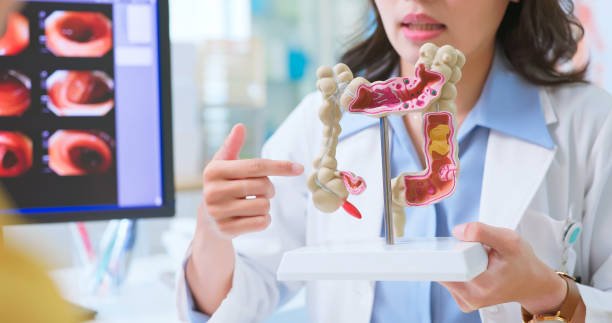
Your gut plays a big role in optimizing your energy, immune system, mood, and even how your skin looks. When the gut is out of balance, it can lead to digestive disorders.
Many people just ignore symptoms like bloating, fatigue and nausea and live with them. In reality, those small symptoms can sometimes signal bigger concerns, such as inflammation, food sensitivities, or even autoimmune problems.
In this article, we’ll explore what gut health means, the early warning signs of digestive disorders, and simple, effective ways to keep your gut balanced and healthy.
What is Gut Health?
Gut health means how well your digestive system, stomach, intestines, and gut microbiome work to absorb nutrients, remove waste, and protect you from harmful pathogens.
A healthy gut consists of helpful bacteria. They help digest fiber, make nutrients your body can use, support your immune system, and even influence hormones and mood.
Studies have confirmed that poor gut health is directly linked to bigger health issues over time, including blood sugar and heart problems.
Early Signs of Gastrointestinal Disease
Digestive disorders often have a quiet beginning. You may observe things like:
- You feel bloated, gassy, or get indigestion most days.
- You’re dealing with constipation, diarrhea, or bouncing between the two.
- Your weight is going up or down, and you haven’t changed how you eat.
- You get heartburn or acid reflux after meals.
- You see blood in your stool, or you have belly pain that sticks around
If any of these have been happening for a few weeks (or longer), don’t ignore them. Your body could be warning you about something more serious going on with your digestive system.
Common Digestive Disorders You Should Know About
Irritable Bowel Syndrome (IBS)
IBS is one of the most common Digestive Disorders. It shows up as stomach pain, gas, and bathroom changes that flare and settle. It may cause lasting damage to the gut, but it can really affect daily life if not managed well.
GERD Acid Reflux
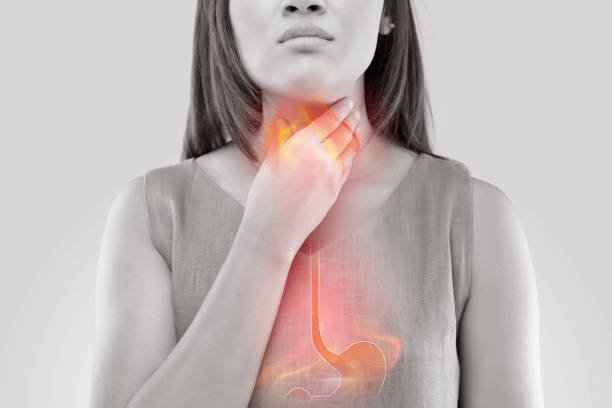
Many of us experience burning in our chest or throat after eating, which may be a sign of gastroesophageal reflux disease, that is another common digestive disorder. If you experience this more, it can irritate your throat and even lead to other problems if left untreated.
Inflammatory Bowel Disease (IBD)
Inflammatory Bowel Disease is related to conditions like Crohn’s disease and ulcerative colitis.
These problems cause long-term inflammation in the digestive tract. They can make you feel really unwell with stomach pain, frequent diarrhea, and extreme tiredness that doesn’t go away easily.
Celiac Disease
Celiac disease is an immune reaction to gluten, a protein found in wheat, barley, and rye, that can damage the lining of the small intestine.
Over time, this damage makes it harder for your body to absorb nutrients, which may cause fatigue, bloating, stomach pain, or even unexplained weight loss.
Gallstones and Liver Issues
Your liver and gallbladder do a lot of behind-the-scenes work to help your body digest fats. When something is out of balance, like gallstones, fatty liver, or a sluggish liver, it can disrupt digestion and leave you feeling bloated, heavy, or uncomfortable after meals.
What Affects Gut Health?
Your gut responds to everyday habits more than most people realize. Processed foods, low-fiber diets, lack of water, and high stress all harm gut balance. Overuse of antibiotics can wipe out good bacteria, while chronic sleep deprivation makes gut inflammation worse.
Think about it:
- Are you eating enough fiber-rich foods like vegetables, fruits, and beans each day?
- Do you prefer packaged or processed food?
- Is stress or lack of sleep making your digestive symptoms flare up?
Best Ways to Improve Gut Health
Improving gut health is all about small, daily habits that add up over time. Here are some simple tips we often share with patients at Kairos Integrative Care:
- Eat plenty of fiber. We make sure to include fruits, vegetables, beans, and whole grains in our meals because they help keep digestion regular and feed good bacteria.
- Add some fermented foods. Yogurt, kefir, and sauerkraut are best to include in your diet, especially for supporting healthy gut bacteria.
- Drink enough water. Staying hydrated helps your digestive system work smoothly.
- Cut back on processed foods and added sugars. These can upset the gut and cause bloating or discomfort.
- Manage stress. We know stress affects the gut, so simple habits like deep breathing, short walks, or mindfulness help calm the digestive system.
- Get enough sleep. You should prioritize sleep by aiming for 7–8 hours of good sleep each night. This gives your gut time to repair and recover.
At Kairos, we start with food, hydration, and routine, then layer in targeted testing only when needed. If you’ve had bloating, irregular bowels, or gut symptoms that won’t quit, we can help you find out what is driving them.
Final Thought
Digestive issues can disrupt the quality of your life, and you don’t need to live with. If bloating, discomfort, or unpredictable digestion is affecting your quality of life, let’s unslve the mystery together.
At Kairos Health Integrative Primary Care, Lola, one of our Board‑Certified Nurse Practitioners, focuses on the right tests and a clear, practical plan to get your gut health back on track.
We serve patients in Houston, Sugar Land, and surrounding areas (77046 & 77478) and accept major insurance plans, including Aetna, Cigna, UnitedHealthcare, and more.