

When your child suddenly comes down with vomiting, diarrhea, and fatigue, it’s natural to panic. While stomach issues in children are often temporary, recurring or intense symptoms may need a more integrative approach to truly support healing and comfort.
Stomach flu in kids is a viral infection that affects the digestive tract, leading to nausea, vomiting, diarrhea, stomach cramps, and sometimes a low-grade fever. It can be caused by several viruses, most commonly rotavirus and norovirus.
At Kairos Integrative Care, we understand how unsettling this can be for parents. Our goal is to equip families with evidence-based strategies and integrative support to help children recover gently and completely.
Stomach Flu vs. Food Poisoning: How to Tell the Difference
Both stomach flu and food poisoning can cause vomiting, diarrhea, and stomach cramps, but understanding the root cause is important for care.
- Stomach flu in kids often starts gradually, spreads among family members, and lasts for 2-7 days. It is caused by a virus and may be accompanied by a mild fever.
- Food poisoning, on the other hand, usually hits suddenly, often a few hours after eating contaminated food. It can resolve quickly once the toxins leave the system, but may cause more severe symptoms initially.
Recognizing this difference can help you know whether your child needs rest and hydration, or a closer look at what they may have eaten.
What Causes Stomach Flu in Children?
Stomach flu in kids is most often caused by viruses that spread easily in environments like schools, daycares, and playgrounds. These viruses enter the body through the mouth (oral route) and affect the digestive system.
Factors that increase your child’s risk include:
- Poor hand hygiene
- Touching contaminated surfaces or toys
- Sharing food, drinks, or utensils
- Close contact with someone who is infected
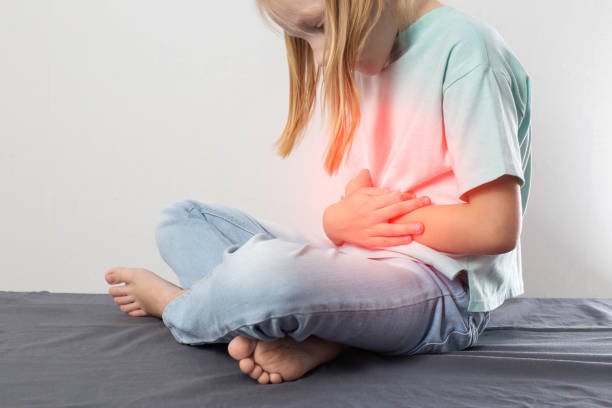
Children under 5 are especially vulnerable because their immune systems are still developing.
Symptoms to Watch For
Symptoms of stomach flu in kids can vary by age and immune response, but the most common signs include:
- Sudden onset of vomiting
- Diarrhea (watery and frequent)
- Stomach cramps
- Low-grade fever
- Chills
- Headache
- Loss of appetite
- Weakness or fatigue
Dehydration is a key concern with stomach flu in kids, especially infants. Watch for dry lips, fewer wet diapers, no tears when crying, or sunken eyes. At Kairos Integrative Care, we help parents spot these signs early and know when to seek prompt medical care.
Natural Treatments and At-Home Remedies That Actually Work
Managing stomach flu in kids doesn’t always require medication. In fact, most cases resolve on their own with supportive care.
- Prioritize Hydration
Frequent vomiting and diarrhea can lead to rapid fluid loss. Offer small sips of coconut water or diluted electrolyte drinks to prevent dehydration. For infants, continue breastfeeding or formula in smaller, more frequent amounts. - Let the Gut Rest Briefly
Avoid solid food for a few hours after vomiting stops. Once your child can keep fluids down, introduce bland, easy-to-digest foods like applesauce or soft rice in small amounts. - Soothe with Gentle Herbal Teas
Chamomile or peppermint teas (for kids over age 2) can help relax stomach muscles and ease nausea. These herbs are naturally calming and can support digestion during recovery. - Rebuild Gut Flora with Probiotics
Probiotics like Lactobacillus GG can reduce the duration of diarrhea and support gut healing. A child-safe probiotic helps restore healthy bacteria after a viral stomach bug. - Use Warm Compresses for Comfort
Applying a warm towel to the belly can ease cramps and soothe discomfort. It’s a simple, gentle way to help your child relax and feel more at ease. - Try Tummy Massage
Gently massaging the abdomen in a clockwise direction may relieve gas and bloating. Use light pressure with calming oils like coconut or calendula for extra comfort. - Create a Restful Environment
Reduce stimulation and keep your child calm. Rest supports the immune system, allowing the body to heal more efficiently.
Foods That Help and What to Avoid
Once vomiting stops, and your child shows interest in food. It’s important to reintroduce food slowly and gently. Start with bland, easy-to-digest options that won’t irritate the stomach. Soft-cooked oats, mashed bananas, and plain rice are ideal first foods.
You can also offer applesauce (unsweetened), plain crackers or toast, and mild broths or soups to help replenish nutrients. Boiled potatoes or carrots are gentle on the gut and can support energy without overwhelming digestion.
During this recovery phase, avoid dairy products, which can temporarily worsen diarrhea even in children who usually tolerate them. Sugary drinks, sodas, fried foods, and spicy meals should also be skipped, as they can trigger further digestive upset. Raw fruits and vegetables may be too harsh at this stage and are best introduced later when the gut is fully settled.
Supporting Your Child Emotionally During a Stomach Bug
Children don’t just feel physically unwell. They may also be scared or overwhelmed by nausea, vomiting, or diarrhea. Reassurance and emotional support are key components of healing.
- Offer cuddles and quiet activities like coloring or audiobooks
- Maintain a calm tone and encourage deep breathing during anxious moments
- Use soothing touch like hand-holding or a gentle back rub
- Keep lighting soft and noise levels low to reduce overstimulation

Children who feel emotionally supported often recover faster and experience less fear the next time they get sick.
When to Seek Medical Help
Most cases of stomach flu in kids resolve at home, but you should seek medical attention if:
- Symptoms last more than 3 days
- Your child shows signs of dehydration
- Vomiting is persistent and prevents fluid intake
- There is blood in the stool or vomit
- A high fever (over 102°F) persists beyond 48 hours
Infants under 6 months should be evaluated early due to a higher dehydration risk.
Integrative Pediatric Care at Kairos
At Kairos Integrative Care, we combine conventional pediatric care with natural therapies to provide comprehensive support for your child’s recovery. From microbiome testing to nutritional guidance and immune support, we take a full-body approach.
We also provide:
- Tailored supplement protocols
- Herbal remedies where appropriate
- Family-centered education on prevention
Our team is trained to look beyond symptoms and identify patterns that may predispose children to frequent stomach bugs.
Final Thoughts
Stomach flu in kids can be exhausting for parents and little ones alike. But with the right care and emotional support, most children bounce back quickly. At Kairos, we help families approach these illnesses with confidence, clarity, and a full toolkit of holistic support.
We welcome families in Houston, Sugar Land, and surrounding zip codes like 77046 and 77478. We accept most major insurance plans, including Blue Cross Blue Shield, Aetna, Cigna, UnitedHealthcare, Tricare, Ambetter, and Texas Children’s.
Schedule your appointment today and let’s build a care plan to support your child’s health from the inside out.