
Millions of people are struggling with bloating, digestive discomfort, or fatigue, and many never get to know the cause behind it. One of the main causes behind it can be the ongoing issue called SIBO.
It is more common than you would think, and understanding it can be very helpful for your long-term gut health and daily life.
In this guide, we’ll discover what SIBO is, why it happens, how it affects your body, and what treatment options actually work.
What Is SIBO?
SIBO is Small Intestinal Bacterial Overgrowth, which happens when bacteria that normally live in the large intestine start to grow in the small intestine instead. This bacteria disrupts the natural balance of your digestive system, making it harder for your body to break down food and absorb nutrients.
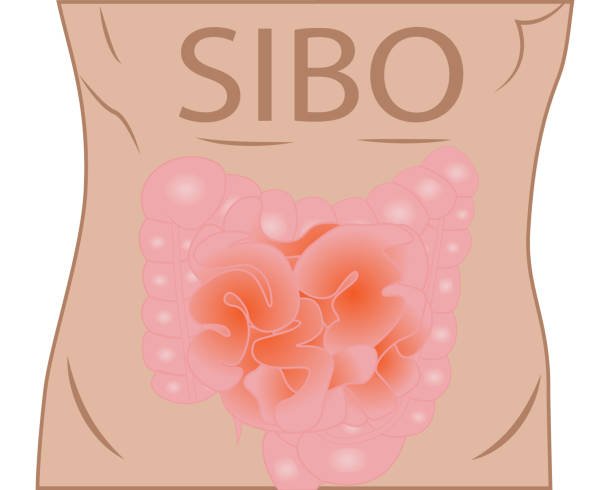
It’s easy to confuse SIBO with other digestive issues, especially IBS, since the symptoms can be so similar. But they’re not the same. In fact, a lot of people who are told they have IBS may actually have SIBO that hasn’t been diagnosed yet.
Common SIBO Symptoms:
Dealing with SIBO is very difficult, especially because the symptoms often look like other digestive issues, which makes figuring out what’s really going on more complicated.
Here are the most common SIBO symptoms:
- Feeling uncomfortably bloated, especially after eating even small meals.
- Cramping or aches in your belly that come and go.
- You might notice a lot of gas or frequent belching.
- Your bowel habits may shift between diarrhea and constipation or stick to one.
- You could feel tired even after a full night’s sleep.
- It’s possible to feel weak due to poor absorption of important nutrients.
- Unintended weight loss
- Brain fog or difficulty concentrating
The longer it goes unchecked, the worse these things can get. So if this sounds familiar, it might be worth asking your doctor about SIBO.
What Causes SIBO?
The following are the common situations that make it easier for bacteria to grow where they shouldn’t, such as:
1. Slow Digestion
Sometimes the gut just doesn’t move things along the way it should. This happens in people with conditions like diabetes or low thyroid function. When food hangs around too long, it gives bacteria a chance to build up.
2. Changes in Gut Structure
If someone’s had abdominal surgery, or they’re dealing with issues like intestinal scarring or narrow spots from Crohn’s disease, these can create little pockets in the gut where bacteria tend to gather and grow.
3. Low Stomach Acid
Stomach acid protects your gut by killing lots of bacteria before they even reach your intestines. If acid levels are too low, more bacteria survive and move into the small intestine, where they don’t belong.
4. Certain Medications
Drugs like proton pump inhibitors. used for acid reflux, pain meds like opioids, or even long-term antibiotics can mess with the natural balance of bacteria in your gut, leading to overgrowth in the wrong place.
How Is SIBO Diagnosed?
One of the most common methods to diagnose SBIO is a breath test. For this test, You need to drink a sugar solution, most often glucose or lactulose, and then breathe into a special device after some time.
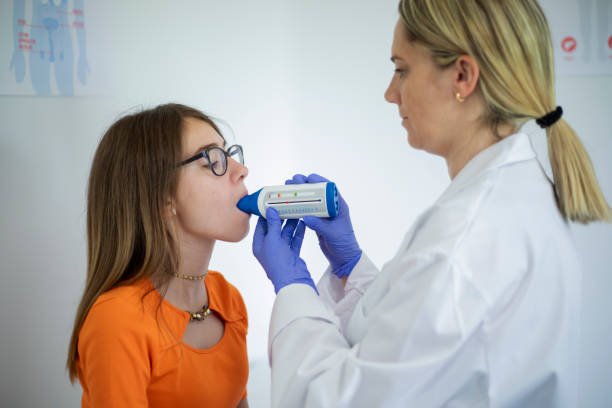
If your test shows high levels of hydrogen or methane, it is a sign that bacteria are fermenting in your small intestine.
In some cases, especially when the diagnosis is unclear, we may take a fluid sample directly from the small intestine. This is called a small bowel aspirate and culture. This method is less common due to its invasive nature.
Treatment Options for SIBO
At Kairos, we don’t use quick fixes when it comes to SIBO. It takes a step-by-step strategy to get real results. Treatment may include:
1. Antimicrobial Therapy
We start by targeting the excess bacteria. This may involve antibiotics like Rifaximin for hydrogen-based SIBO, or a combination that includes Neomycin for methane-producing cases.
In some situations, we may recommend herbal antimicrobials, especially for those who prefer a more natural path.
2. Dietary Adjustments
Food is the best way to promote healing process. We prepare your meal plan that includes simple dietary changes like the Low FODMAP plan or the Specific Carbohydrate Diet.
These diet adjustments will help you reduce symptoms and rebalance your gut naturally.
3. Digestion Support
When digestion slows down, bacteria can start to build up again. That’s why we often use support, like natural remedies or prescription medicine, to improve digestion. This keeps food moving through your gut and gives bacteria less time to grow.

4. Getting to the Root
We get to the root cause by looking at what actually led to SIBO, whether it’s low stomach acid, IBS, or something like post-surgical changes. By addressing the cause, we create an effective plan that supports your gut fully.
Can SIBO Be Cured?
Yes, many people are able to get their SIBO under control and feel much better. However, relapse is common if the underlying causes aren’t addressed.
That’s why ongoing care, dietary awareness, and sometimes lifestyle changes are very important to follow.
Final Thoughts
SIBO symptoms can feel overwhelming, especially when they mimic other digestive disorders.. If you’ve been dealing with bloating, gas, or unpredictable bowel movements, don’t ignore the symptoms, especially if they persist.
At Kairos Integrative Care, Lola, one of our board-certified nurse practitioners, uses advanced testing and personalized care plans to get to the root of your digestive issues.
We serve patients in Houston, Sugar Land, and surrounding areas (77046 & 77478) and accept major insurance plans, including Aetna, Ambetter, UnitedHealthcare, and more.
Book your appointment today!