
The thyroid is a small gland with a big job. It controls how your body uses energy, how fast your heart beats, and even how your brain functions. When it’s out of balance, thyroid disorder symptoms can appear subtly, so subtle that millions of people go undiagnosed for years. What makes this serious? Thyroid problems affect about 1 in 8 women and many men, yet symptoms like tiredness, weight gain, or anxiety are often blamed on stress or aging.
If you’ve been wondering why you don’t feel like yourself, your thyroid may be part of the answer.
What Exactly is the Thyroid?
Your thyroid is a butterfly-shaped gland at the base of your neck. It produces hormones that regulate your metabolism, mood, and energy. When it’s working properly, everything feels balanced.
When it’s not, your entire system feels it, because thyroid hormones influence your heart, digestion, skin, brain, and even your ability to maintain a healthy weight.
Common Thyroid Disorders
At Kairos, we see many patients who struggle with thyroid imbalances, sometimes for years before getting answers. Here are the most common conditions we look for and address:
1. Hypothyroidism (Underactive Thyroid)
The thyroid does not make enough hormone. This slows your metabolism. Common signs include fatigue, weight gain, feeling cold, dry skin, and brain fog. It often develops slowly and can be missed. Hashimoto’s disease is the most common cause.
2. Hyperthyroidism (Overactive Thyroid)
The thyroid makes too much hormone. This speeds up body functions. You may feel anxious, shaky, overheated, or notice a fast heartbeat and weight loss even when eating normally. Graves’ disease is the most common cause.
3. Hashimoto’s Thyroiditis
This is an autoimmune condition where the immune system attacks the thyroid. Hormone levels drop over time, leading to low thyroid function. Symptoms often start with tiredness, weight changes, and feeling cold. Antibody tests help detect it early.
4. Graves’ Disease
An autoimmune condition that pushes the thyroid to make too much hormone. It can cause rapid heartbeat, heat intolerance, anxiety, tremors, and weight loss. Some people also develop eye problems like irritation or bulging.
5. Thyroid Nodules and Goiter
A thyroid nodule is a small growth in the gland. A goiter is an enlarged thyroid. Most nodules are harmless but should be checked to rule out cancer or hormone changes. Large goiters can cause trouble swallowing or a feeling of pressure in the neck.
6. Thyroiditis
This is thyroid inflammation. It can happen after an infection, an immune flare, or pregnancy. It often causes a short period of high thyroid hormone levels followed by low thyroid hormone levels as the gland recovers.
7. Central Hypothyroidism
This happens when the thyroid is normal, but the brain does not send enough signals to make hormones. Symptoms look like low thyroid: fatigue, low energy, and slow metabolism. It needs a full hormone check to confirm.
8. Thyroid Cancer
This is less common but important to check for. Many thyroid cancers grow slowly and are found after a nodule is seen on an exam or scan. Most types have very good outcomes if treated early.
Thyroid Disorder Symptoms You Shouldn’t Ignore
Thyroid disorder symptoms can be confusing. They often show up slowly and may feel like stress or aging. Here’s what to look for:
Hypothyroidism (Underactive Thyroid):
- Constant fatigue or low energy
- Weight gain or trouble losing weight
Dry skin, brittle hair, and hair thinning - Feeling cold often
- Constipation and bloating
- Brain fog or trouble concentrating
Hyperthyroidism (Overactive Thyroid):
- Anxiety or irritability
- Rapid heartbeat or palpitations
Sweating and heat intolerance - Weight loss despite normal eating
- Muscle weakness
- Difficulty sleeping
Some symptoms overlap or seem unrelated, which is why proper testing is so important.
Why Symptoms Are Often Missed
Most routine checks only include TSH (thyroid-stimulating hormone). While important, TSH alone doesn’t give the full picture. You can feel awful and still have a normal TSH. Thyroid disorder symptoms are often blamed on aging, stress, or lifestyle. That’s why so many people leave the doctor’s office with unanswered questions.
How We Test at Kairos
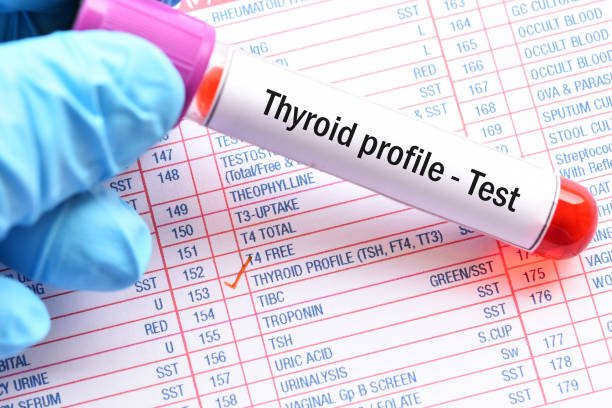
At Kairos Integrative Care, we don’t guess, we measure. A complete thyroid panel is essential. This includes:
- TSH, Free T3, Free T4 (active thyroid hormones)
- Reverse T3 (blocks thyroid hormone action)
- Antibodies (to check for autoimmune thyroid disease)
We also look at cortisol, nutrient levels (selenium, iodine, zinc), and liver health because these impact thyroid function.
What Happens If Thyroid Problems Go Untreated
Ignoring thyroid symptoms can have long-term effects. Untreated hypothyroidism increases the risk for heart disease, infertility, depression, and severe fatigue. Uncontrolled hyperthyroidism can cause bone loss, irregular heartbeat, anxiety disorders, and even thyroid storm, a medical emergency.
What to Do If You Suspect a Thyroid Issue
Thyroid issues can be complicated, but there are steps you can take to balance your health:
Ask for more than just a TSH test:
If your doctor only checked your TSH, it might not be enough. You should ask for a full thyroid panel, including Free T3, Free T4, Reverse T3, and thyroid antibodies, to give a clearer picture of your thyroid health.
Keep track of your symptoms:
Write down how you’re feeling, things like fatigue, mood swings, brain fog, or weight changes. This helps your doctor understand what you’re going through, even if your lab results look normal.
Support your body with the basics:
You should start drinking water, consuming enough protein, and obtaining essential nutrients like zinc, selenium, and iodine. This step can help your thyroid function more effectively.
Reduce your stress levels:
Your thyroid and adrenal glands are connected. Try going for a walk, taking breaks, or simply getting more rest.
Find a provider who listens:
You deserve someone who takes your symptoms seriously and works with you on a plan that suits your body.
Final Thought
If you’re dealing with fatigue, brain fog, or unexplained weight changes, your thyroid may be part of the answer. Don’t ignore what your body is telling you. At Kairos Integrative Care, Lola, one of our board-certified nurse practitioners, helps uncover the root cause and guide you toward feeling like yourself again.
We’re based in Houston, Sugar Land & surrounding areas (77046 & 77478) and accept most major insurance plans, including Aetna, Cigna, BCBS, UnitedHealthcare, Tricare & more.
Book your appointment today. The answers you’ve been looking for might start with one simple test.