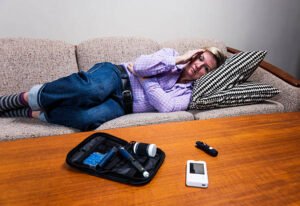

High blood pressure is one of the most common conditions treated in primary care. However, most individuals spend years on medication without ever knowing the reason why their numbers are hard to manage. Sleep apnea is one of the key causes that may be overlooked.
Sleep apnea doesn’t cause pain. It doesn’t always make you feel sick. And since it occurs when you are asleep, it becomes easy to ignore. Untreated sleep apnea is one of the most powerful and underdiagnosed drivers of hypertension, especially when blood pressure remains high despite medication.
In this article, you’ll learn how sleep apnea affects your hormones, nervous system, and blood vessels, and the connection between sleep apnea and hypertension.
What Is Sleep Apnea, Really?
Sleep apnea is a disease in which breathing is interrupted and resumed multiple times during sleep. Sleep apnea has two major types: obstructive sleep apnea (OSA) and Central sleep apnea(CSA). Among these two, it is obstructive sleep apnea that has a strong association with high blood pressure.
When sleep apnea happens, the oxygen levels are reduced. Your brain feels like it is under attack, and it wakes you up slightly enough to open the airway. It may occur dozens or even hundreds of times a night, without you remembering it.
And yes, you can still have hours of sleep, but your body never enters into deep restorative sleep.
The Connection between Sleep Apnea and Hypertension
Sleep apnea is not associated with hypertension by coincidence. The relationship is biological.
Every time your breathing stops, your body goes into stress. And your nervous system reacts to this by releasing stress hormones such as adrenaline and cortisol that make you start breathing again and stay alive.
When this happens occasionally, the body recovers. But in sleep apnea, these breathing interruptions happen repeatedly throughout the night, often for years. Over time, this daily repetition of nighttime stress reconfigures the way your cardiovascular system works.
As a result:
- Your blood vessels remain narrow.
- Heart rate remains elevated
- Blood pressure increases, and it remains high, even in the daytime.
In a large review, thousands of adults were studied, and it was discovered that individuals with sleep apnea, including the mild type, are at higher risk of developing high blood pressure compared to those without sleep apnea. The higher the risk is the more severe the sleep apnea is.
This is one of the reasons why your blood pressure may be hard to manage when sleep apnea goes undiagnosed and untreated.
How Sleep Apnea Interferes with Hormones that Regulate Your Blood Pressure
Sleep apnea does not only influences breathing. It interferes with the major hormone systems that control your blood pressure.
1. Your Stress Hormone Cortisol
Whenever your oxygen levels drop during sleeping, your body enters into fight or flight mode and releases the stress hormone cortisol. Excessive cortisol over time leaves your blood vessels constricted and causes your body to retain sodium, which causes blood pressure to rise.
2. Aldosterone and Retention of Fluid
Aldosterone is a hormone that regulates fluid and salt balance. This hormone tells the kidneys how much sodium and water to retain and how much potassium to release. In healthy individuals, aldosterone levels adjust carefully based on the body’s needs.
Sleep apnea has been found to raise the production of aldosterone, especially in individuals with hypertension. High aldosterone can push your blood pressure higher, especially at night and in the morning.
3. Insulin Resistance
Sleep apnea also interferes with how the body reacts to insulin, which is the hormone that enables cells to use glucose for energy. When your sleep is interrupted and your oxygen drops repeatedly, it increases inflammation and interferes with insulin’s normal signaling.
This may eventually result in high blood sugar levels, stiffer blood vessels, and a greater risk of high blood pressure.
This insulin resistance is why sleep apnea is linked not only to high blood pressure, but also to type 2 diabetes, metabolic syndrome, fatty liver disease, and faster progression of heart disease. All of these conditions can reinforce one another, creating a cycle that makes blood pressure and overall health harder to manage.
Common Signs Of Sleep Apnea You Could Have It (Even though you feel fine)
Sleep apnea does not necessarily leave you feeling extremely sleepy in the daytime. In fact, most people with high blood pressure have symptoms that they don’t even realize are related to their sleep. These signs may include:
- Morning headaches
- Dry mouth upon waking
- Loud snoring
- Waking up tired
- Problem with maintaining a normal blood pressure.
- Waking up at night to urinate
- Brain Fog
In case you have high blood pressure and experience all these above symptoms, it is worth mentioning sleep apnea testing to your doctor. Early diagnosis can do wonders for your blood pressure and health conditions.
Sleep Testing (Often Covered by Insurance)
Hypertension does not always respond to medications, particularly when there is an underlying condition, such as obstructive sleep apnea (OSA). Sleep apnea screening may be a very important step in managing high blood pressure, which many patients do not know.
Sleep apnea cannot be determined by symptoms. Fortunately, most insurance plans cover sleep testing when conditions like hypertension are present.
Testing may include:
- Sleep testing, also called polysomnography, is the standard way for sleep apnea diagnosis
- Home sleep apnea tests
- In-lab sleep studies
After diagnosis of sleep apnea, treatments such as CPAP treatment, positional therapy, weight loss, or oral appliances can be prescribed. At Kairos Integrative Care, we help patients understand their options and guide them through insurance-covered testing when appropriate.
CPAP Benefits: How Therapy Improves Your Blood Pressure
The most widely used treatment of obstructive sleep apnea is the CPAP (Continuous Positive Airway Pressure). This therapy works by keeping your airway open throughout the night.
There are a lot more benefits of CPAP than improved sleep. Research shows CPAP use can:
- Reduce systolic and diastolic BP.
- Minimize nighttime blood pressure spike
- Reduce cardiovascular risk
- Boost daytime activity and concentration
Why Sleep Apnea Often Goes Undiagnosed in Hypertension Care
Sleep apnea is not properly screened during primary Many people are treated for years without ever being asked about sleep quality or snoring.
Studies also showed that only a few patients with hypertension are asked about the quality of their sleep, snoring, or nighttime breathing, even though such symptoms are closely associated with high blood pressure and cardiovascular risk.
Common reasons include:
- Symptoms happen at night
- Patients normalize poor sleep
- Focus stays on numbers, not root causes
- Lack of awareness that sleep apnea causes hypertension
This is changing as the increasing evidence is demonstrating that sleep apnea is not a sleep problem alone and is actually a cardiovascular disease.

What You Can Do If You Have High Blood Pressure
If you are dealing with hypertension and it’s hard to control, ask yourself:
- Do I wake up feeling rested?
- Do my numbers spike in the morning?
- Has my blood pressure improved as expected on medication?
- Do I snore or stop breathing during sleep?
- Has anyone ever evaluated my sleep?
If your answer is yes, then it is time to look beyond medication. It is best to talk to your primary care provider about sleep testing, as this could be a turning point in your blood pressure management.
Bottom Line
If you snore, wake up feeling tired, or gasp for air in the middle of the night, it may be a sign of sleep apnea that may be influencing your blood pressure. Remember, not everyone with sleep apnea snores, but it is a common and highly treatable cause of hypertension.
Sleep apnea and hypertension can be managed effectively with proper screening, testing, and personalized care.
If you are in Texas and want support, Kairos Integrative Care is here for you. Lola, our integrative primary care nurse practitioner, specializes in sleep apnea and hypertension. She provides evidence-based chronic disease management, thorough screenings, and personalized treatment plans to help you improve your long-term health.
We see patients in Houston, Sugar Land, Richmond, and nearby areas (77046 & 77478) and accept major insurance plans, including Blue Cross, Aetna, Ambetter, Cigna, and more.
New patients are always welcome, and if visiting the clinic isn’t possible, telemedicine appointments are available across the entire state of Texas.
Book your appointment today!