Insulin is one of the most important hormones in your body. It helps move glucose (sugar) from the blood into your cells, where it’s used for energy.
But when your body stops responding to insulin properly, glucose begins to build up in the blood. This is known as insulin resistance, and it’s often the first step toward prediabetes and type 2 diabetes.
Many people don’t know they have insulin resistance until it progresses, because early symptoms can be subtle. Learning how to check for it, recognizing the early signs of insulin resistance, and knowing how to treat it can make a major difference in preventing long-term complications.
What Is Insulin Resistance?
Insulin resistance happens when your cells stop responding well to insulin. To compensate for this, your pancreas produces more insulin to keep blood sugar stable. Over time, this insulin overload can no longer keep blood sugar in range, leading to prediabetes and eventually type 2 diabetes.
You don’t need to have high blood sugar to have insulin resistance. You can have insulin resistance even if your blood sugar looks normal on a basic test. That’s why the right testing is important to catch it early, before bigger problems start.
Types of Diabetes
Prediabetes means your blood sugar is higher than normal but not yet in the diabetes range. It is a warning sign. About one in three adults in the United States has prediabetes, and they do not even know it.
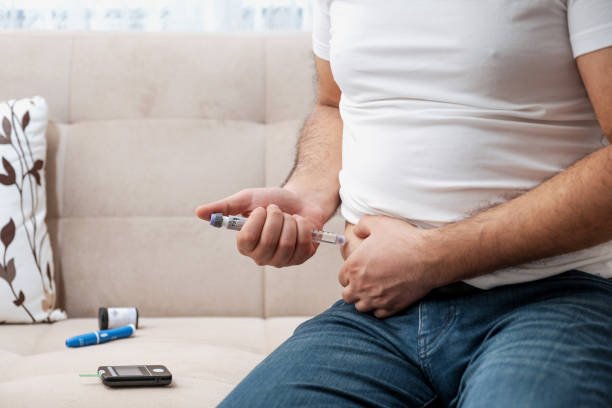
Type 1 diabetes is an autoimmune condition where the body’s immune system attacks the pancreas, stopping insulin production completely. People with type 1 need daily insulin to survive.
Type 2 diabetes develops when insulin resistance has been going on long enough that blood sugar stays high. Signs can include constant thirst, frequent urination, slow‑healing cuts, blurred vision, and a higher risk for heart disease.
Which type of diabetes is worse?
It’s not about which type of diabetes is worse. Both type 1 and type 2 are serious and need proper care to prevent complications.
With type 1, the body no longer makes insulin, so you need to take insulin daily.
Type 2 occurs slowly and starts with insulin resistance, but this type can be improved with healthy lifestyle changes, medication, or weight management.
Both types of diabetes require proper care and treatment. Regular checkups, right treatment, and healthy activities can make a big difference in avoiding long-term issues with both types.

Signs of Insulin Resistance
Studies show that insulin levels can start to shift years before blood sugar becomes abnormal. This is why paying attention to small, repeating changes in your body can be an early warning sign. Many of these symptoms are also recognized as early signs of insulin resistance, including:
- Belly‑centered weight gain. If your waist is growing even though you have not changed how you eat, insulin resistance may be involved. Extra fat around the middle is strongly linked with lower insulin sensitivity in many studies.
- Low energy after meals. Feeling tired, sleepy, or heavy one to two hours after eating can point to blood sugar spikes and drops that go along with insulin resistance.
- Strong sugar or carb cravings. High insulin can push hunger signals and make it harder to feel satisfied without sweets or refined carbs.
- Skin changes. Dark, velvety patches on the neck, underarms, or groin, and clusters of small skin tags are often seen in people with high insulin levels.
- Breakouts. Acne‑like bumps or oilier skin can show up because insulin and related hormones influence oil glands and inflammation.
- Brain fog or trouble focusing. Big swings in blood sugar can leave you foggy, irritable, or unable to concentrate between meals.
If you have PCOS symptoms like irregular cycles, hair growth on the face, or cystic acne, there’s a strong chance that insulin resistance might be playing a role.
Many women with PCOS improve cycle regularity, skin, and weight response when insulin is treated. Medicines like metformin, along with food, movement, and sleep support, are often used because they help the body respond to insulin more effectively.
Early Signs of Diabetes in Men
Men may notice certain symptoms first, such as:
- Increased urination, especially at night.
- Erectile dysfunction or lower testosterone due to hormonal changes linked with insulin resistance.
- Blurry vision or frequent infections.
- Constant fatigue, even after rest.
How to Diagnose Insulin Resistance
The standard fasting glucose test is not enough. By the time glucose levels rise, insulin resistance may have been building for years. That is why we look at several markers together so we can catch problems early.
- Fasting insulin. This shows how hard your pancreas is working to keep blood sugar steady when you have not eaten. A high insulin level with a normal glucose reading is an early warning sign that your cells are not responding well.
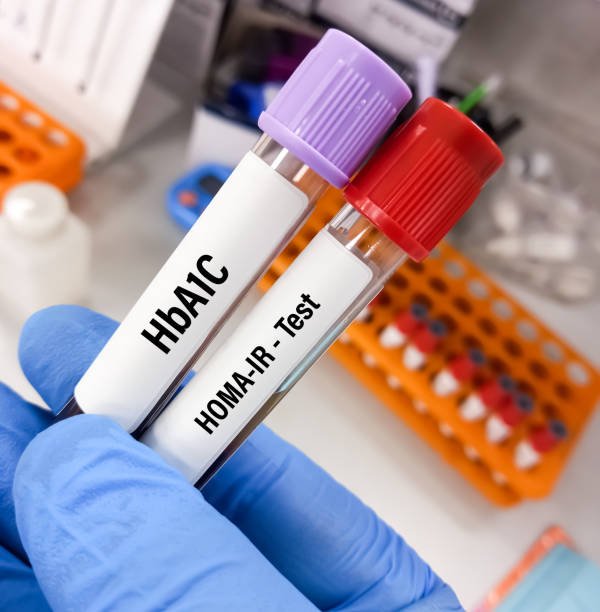
- Fasting glucose and insulin together (HOMA-IR). We use both numbers in a simple formula called HOMA-IR. It gives a snapshot of how sensitive or resistant your body is to insulin.
- Oral Glucose Tolerance Test (OGTT). After you drink a measured glucose solution, we test your blood sugar at set times, often 1 and 2 hours. This helps us see how your body actually handles a sugar load, which can uncover problems missed by many labs.
- Hemoglobin A1C. This reflects your average blood sugar over about three months. It is helpful for long-term trends, but it can miss early insulin resistance, especially if your blood sugar spikes after meals and then comes back down.
- Additional metabolic labs (when needed). Markers like triglycerides, HDL cholesterol, liver enzymes, and inflammatory markers can add useful context because metabolic stress often leads to problems.
How to check insulin resistance at home?
There isn’t a reliable at-home test for insulin resistance yet, but there are signs you can keep an eye on.
Pay attention to changes in your waist size, unexpected weight gain, especially around the belly, or feeling unusually tired, sluggish, or foggy after meals.
These are your early red flags. If you notice these signs, it’s best to ask your provider about running proper lab tests.
How Do You Treat Insulin Resistance?
The good thing about insulin resistance is that it doesn’t have to stay that way forever. With the right changes, your body can respond better to insulin again. At Kairos Integrative Care, we focus on simple and doable plans.
We start with nutrition, focusing on meals rich in fiber, lean protein, and healthy fats to keep blood sugar stable throughout the day.
Moving your body after eating something as simple as a 10‑minute walk can make a big difference in how your body uses sugar.
Managing weight, especially around the belly, plays a big role because even a small reduction in abdominal fat can improve insulin sensitivity.
We also focus on lifestyle factors like sleep and stress, since both poor sleep and stress raise cortisol levels, which can make insulin resistance worse.
Lipodystrophy and Insulin Resistance
Lipodystrophy is an abnormal distribution of body fat that can worsen insulin resistance because fat is not stored where the body needs it.
This condition is rare but worth investigating if you have unusual fat patterns or severe insulin resistance despite healthy habits.
Final Thought
If you’re dealing with cravings, stubborn belly fat, or feeling drained after meals, especially with a family history of diabetes, these may be early signs of insulin resistance, and it’s better to act now rather than wait for things to progress.
At Kairos Integrative Care, Lola, one of our Board-Certified Nurse Practitioners, works closely with patients to uncover the root causes of insulin resistance and create practical, effective plans.
We serve Houston, Sugar Land, and surrounding areas (77046 & 77478) and accept major insurance plans like Aetna, Cigna, Tricare, UnitedHealthcare, and more.
Book your appointment today and find out if insulin resistance is the missing link behind your symptoms.