

Testosterone does much more than support sexual health. It plays a key role in energy, mood, muscle strength, metabolism, and even heart and brain function. When levels drop, the changes can affect almost every part of your life. You might feel tired, lose muscle, gain weight around the middle, or notice a dip in confidence and focus.
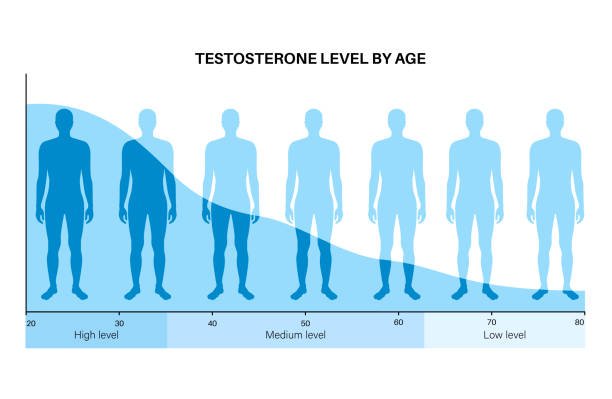
Research shows that about 40% of men over 45 have low testosterone, yet most do not recognize the problem until symptoms begin to interfere with daily life.
If this sounds familiar, it is time to understand the impact of low testosterone in men, why it matters, and what you can do to restore balance.
What Is Low Testosterone?
Low testosterone, also called hypogonadism, happens when the body does not make enough testosterone to support normal function. The normal range for total testosterone is roughly 300-1,000 ng/dL, but symptoms matter just as much as numbers.
Two men can have the same lab result and feel completely different. That is why we focus on proper evaluation by looking at your lab values and how you actually feel.
Side Effects of Low Testosterone in Men
When testosterone drops, the impact can be felt across multiple systems in your body. Here are the most common and most important side effects:
1. Muscle Loss and Increased Belly Fat
Testosterone is key for building and maintaining muscle. When levels drop, your body begins to break down muscle, even if you stay active. With less muscle, your metabolism slows, meaning you burn fewer calories at rest. Over time, this often leads to belly fat gain, especially visceral fat around the organs, which increases the risk for diabetes and heart disease.
2. Low Energy and Fatigue
Constant tiredness is one of the first signs of low testosterone, and it’s not the kind of fatigue a good night’s sleep can fix. It happens because testosterone supports energy production in your cells. When levels drop, your body makes less energy, leaving you feeling drained, sluggish, and lazy.
3. Changes in Mood and Mental Health
Testosterone influences brain chemistry, including serotonin and dopamine, which affect mood, motivation, and emotional resilience. When testosterone is low, many men notice they are not themselves emotionally.
Research links low testosterone to higher rates of depression, irritability, and anxiety in men, especially as they age.
Low levels can cause:
- Irritability and frustration over small things
- Mood swings or increased anxiety
- Higher risk for depression
4. Reduced Sex Drive and Performance
One of the most noticeable effects of low testosterone is a drop in sexual health. Testosterone plays a major role in libido, arousal, and overall sexual function. When levels are low, men may experience less interest in sex, fewer morning erections, and changes in erection quality or firmness.
These changes can affect confidence and relationships, causing depression and anxiety in men.
5. Brain Fog and Difficulty Concentrating
If you’ve been forgetting things or struggling to focus at work, low testosterone could be the reason. Hormones play a big role in brain function. Research shows that low testosterone is linked to slower brain processing and memory decline, especially as men age.
6. Weaker Bones
Most men don’t realize that testosterone also protects bone density. When levels drop, bones can slowly become weaker, increasing the risk of fractures later in life. Many men do not notice this until it is revealed by a DEXA scan or any injury.

At Kairos, we check bone health when testosterone is low. This may include bone scans, vitamin D checks, and simple steps like strength exercises or treatment to keep your bones healthy and strong.
7. Increased Cardiometabolic Risk
Low testosterone is more than a quality-of-life issue. It can increase the chance of serious health problems like insulin resistance, type 2 diabetes, high cholesterol, and even heart disease or stroke. Testosterone plays an important role in how your body uses fat and responds to insulin.
When levels are low, these systems do not work as well, which can lead to long-term health risks if not addressed.
Does Masturbation Cause Low Testosterone in Men?
The short answer is No.
Normal sexual activity, including masturbation, does not cause a long-term drop in testosterone. Research shows that testosterone levels may fluctuate briefly after sexual activity, but these changes are temporary and return to the normal range quickly.
There is no evidence that masturbation is directly linked to low testosterone. Studies have confirmed that factors like chronic stress, poor sleep, excess body fat, a sedentary lifestyle, certain medications such as opioids or steroids, and health conditions like diabetes, thyroid problems, or insomnia can be reasons for low testosterone.
What We Do If You Have Low Testosterone
The first step is getting the right testing. In functional medicine, we don’t depend on a single lab value because one lab never tells the whole story. We may measure:
- Total and free testosterone to see both overall levels and what’s active
- SHBG (sex hormone binding globulin), which affects how much testosterone your body can use
- Other tests for key markers like cortisol, thyroid function, insulin, inflammation, and nutrient status
Once we have your full data, we create a personalized plan that supports your needs and lifestyle. This may include nutrition support, exercises like workouts, stress management strategies, and fulfilling any nutritional gaps. If needed, we also consider testosterone replacement therapy when it is safe and clinically appropriate.

What You Can Start Doing Now
Once testing is done and you know your levels, there are a few simple things you can do to support your testosterone naturally:
- Eat for hormone health: You should add more fruits, vegetables, healthy fats, and lean proteins like eggs, fish, or beans to your meals.
- Exercise: Regular physical activity, such as weightlifting or exercise, is highly recommended to help boost testosterone and improve overall health
- Peaceful sleep: You should never skip on sleep. Try to get 7–9 hours of sleep every night. It really makes a difference in how you feel.
Manage your stress: Take a walk, stretch, journal, sit in the sun, or just breathe deeply. Small things can really help lower stress. - Avoid alcohol and smoking: Both can lower testosterone levels. Reducing them supports your hormones and overall health.
- Ask your doctor about supplements: Nutrients like zinc, magnesium, and vitamin D may help. But only take them if you’re low and your doctor recommends it.
Conclusion
Your hormones play a bigger role in your health than most people realize. When testosterone is low, it can affect your energy, mood, muscle, belly fat, focus, and long-term health. If something feels off, it is time to take a closer look.
At Kairos Integrative Care, Lola, one of our Board-Certified Nurse Practitioners, helps men get the right testing, uncover the root cause, and create a plan that works for real life.
We serve Houston, Sugar Land, and nearby areas (77046 & 77478) and accept most major insurance plans, including Aetna, Cigna, BCBS, UnitedHealthcare, and Tricare.
Book your Appointment today!