Uncontrolled hypertension has been a major health issue, affecting millions of adults, and it is one of the main factors causing heart disease, stroke, and kidney problems
In the US, about 77% to 83% adults with high blood pressure have uncontrolled hypertension, which means less than one quarter of adults with hypertension have it under control.
Many people take medicines as well as change their lifestyle, but still, their blood pressure remains very high. It can be disheartening and even frightening.
If you ever get annoyed that your blood pressure is still high even though you have been following your doctor’s instructions, then this article is for you.
Resistant Vs Uncontrolled Hypertension
When your blood pressure is high, it will be classified as either uncontrolled hypertension or resistant hypertension. This differentiation is important because it determines how your treatment plan will be formulated.
Uncontrolled hypertension
It is a broad term that can fit a lot of different scenarios where your blood pressure is above the recommended level for whatever reason. Sometimes, it is simply due to your lifestyle factors, inconsistent medication use, or stress.
Resistant hypertension
Resistant hypertension is a specific type of uncontrolled hypertension. In this situation, your blood pressure is still very high, even though you’re taking at least three different medicines for it at once. Some people may require four or more medications to reach the right blood pressure, which is also considered resistant.
Resistant hypertension usually indicates that the situation is complicated and makes it necessary to perform a thorough examination to find the hidden causes. Please note that all resistant hypertension is uncontrolled, but not all uncontrolled hypertension is resistant.
Causes of Uncontrolled Hypertension
Sometimes, the primary reason for uncontrolled hypertension is either untreated hypertension or your treatment plan is not working for you.
It may be caused by medications or substances that interfere with your blood pressure regulation. Over-the-counter pain relievers, certain cold medications, and some antidepressants or hormonal therapies can counteract the effect of your antihypertensive drugs.
Other factors that could contribute to this condition include:
- High sodium intake
- Lack of physical activity
- Being overweight
- Smoking
- Excess alcohol
- Stress
Additionally, white coat hypertension or masked hypertension, where your blood pressure rises during a clinic visit but remains normal at home, can complicate the picture, leading to apparent uncontrolled readings.
Causes of Resistant Hypertension
Besides lifestyle factors and medicines, resistant high blood pressure usually has secondary causes as well. These conditions include:
- Chronic kidney disease
- thyroid disorder
- adrenal gland abnormalities
- Sleep apnea
- Cushing syndrome (overproduction of some steroid hormones)
Sometimes, these several factors combine to worsen blood pressure and thus make it more resistant to treatment. Obesity, for example, is one factor that can make sleep apnea worse, which then raises blood pressure and makes medicines less effective.
Symptoms of Resistant and Uncontrolled Hypertension
At the early stage, people who have resistant or uncontrolled BP may not experience any symptoms. Some of the common symptoms include:
- Headaches
- Shortness of breath
- Anxiety
- Confusion
- Headaches
- Chest pain
- Nosebleeds
- Vision changes
- Buzzing in your ears
- Abnormal heartbeat
- Swelling in the ankles or feet ( common in resistant hypertension)
Untreated high BP can be very harmful to your health. So, it’s important to keep a close eye on your blood pressure, especially as you get older.
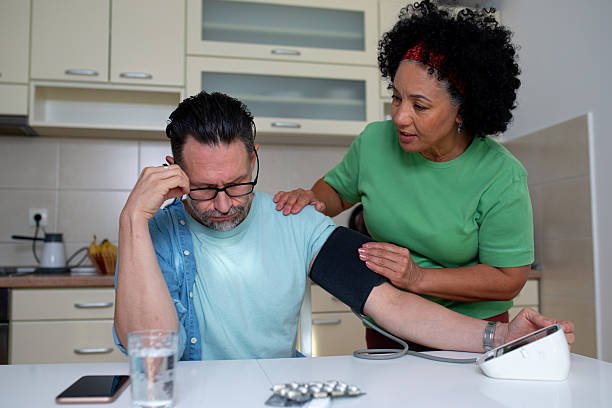
With the help of a good BP monitor, you can check it at home. Most of these BP tools are easy to operate, reasonably priced, and you can find them at a local drugstore or online.
Risks and Complications
Resistant or uncontrolled high blood pressure may cause severe health issues over time. The risk with resistant hypertension is higher. For example, if the systolic blood pressure remains at 160 mmHg or more, the risk of heart-related complications will be significantly higher than in the case of uncontrolled blood pressure that still responds to treatment.
There may be a risk of developing:
- Heart failure
- Stroke, both ischemic and hemorrhagic
- Kidney disease
- Vision problems due to damaged blood vessels in the eyes
Uncontrolled hypertension can be less severe, but it is still risky if the patient does not take any medication. In the long run, this disease silently damages your heart, brain, and kidneys. It can rapidly lead to life-threatening emergencies, such as dangerously high blood pressure spikes.
A few studies have also indicated that people with resistant blood pressure have a higher risk of early death, particularly when other conditions like diabetes are present.
Treatment for Resistant and Uncontrolled Hypertension
In the case of uncontrolled hypertension, your provider will usually start by reviewing your current medications. This could be lowering your dose, changing to a better drug, or resolving drug interactions.
Your provider will also talk to you about your daily habits, like what you eat, how active you are, how you handle stress, and how well you sleep, and will adjust them as needed.
Resistant hypertension may call for a more vigorous method:
- Your doctor may give you a combination of drugs from different categories to control your BP more efficiently. These may include diuretics, ACE inhibitors, ARBs, calcium channel blockers, or mineralocorticoid receptor antagonists.
- If a secondary cause is identified, you may require a filtered therapy, e. g., treatment of kidney disease, hormonal disorders, or sleep apnea.
Conclusion
Resistant and uncontrolled hypertension are complex, but they are manageable. The first and most important step is making sure you have the right diagnosis. Your doctor may verify the diagnosis by properly evaluating you, which may involve detailed medical history, conducting a physical examination, and carrying out laboratory testing for possible causes.
In most instances, blood pressure drugs fail to work just because they are not taken correctly. To make medications effective, it is important that you take them every day in the right dose and at the right times. This simple change can greatly improve your number.
If even after doing all the right things, your blood pressure does not go down, it might be time for further investigation. At Kairos Care in Texas, Lola, one of our board-certified integrative nurse practitioners, examines your health history and symptoms to figure out a plan that controls your blood pressure and lowers your health risks.