Prediabetes does not just appear on a lab report. Your body often shows signals long before your blood sugar rises. In the USA, one in three people has prediabetes, and most do not even know it.
Your gut is one of the first places these signs show up. It affects your blood sugar, inflammation, and how your body handles insulin. Paying attention to prediabetes and gut health can give you a head start. You can act early and lower your risk of developing type 2 diabetes.
In this article, we will explain how early gut changes can warn you about prediabetes. We will cover early prediabetes diagnosis via gut and what you can do.
What Is Prediabetes and Who Is at Risk?
Before going into details, you must understand what exactly prediabetes is.
Prediabetes means your blood sugar is higher than normal but not high enough to be called type 2 diabetes. It is a warning sign that your metabolism is under stress. Without lifestyle changes, it can get worse over time.
If you eat well and stay active, you can lower your blood sugar. But it also depends on how well your cells respond to insulin.
You may be at risk of prediabetes if you have:
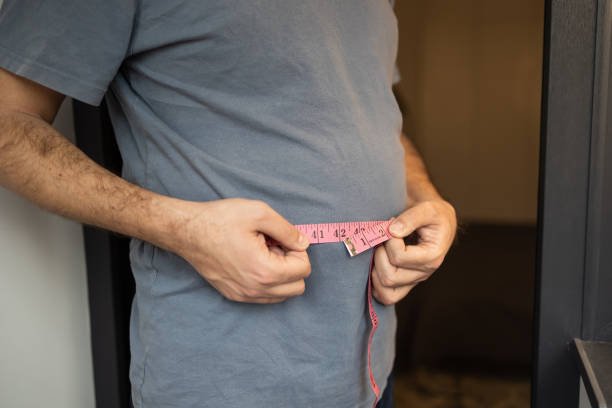
- Large waist size: Men with waists over 40 inches and women over 35 inches are at higher risk of getting prediabetes.
- Poor diet: Eating a lot of red or processed meat and drinking sugary beverages increases your risk.
- Inactivity: Sitting too much or not moving regularly reduces insulin sensitivity.
- Other health conditions like: High blood pressure, high cholesterol, PCOS, raise your risk.
Even at this stage, damage to the heart, blood vessels, and kidneys can begin. That’s why at Kairos Health in Texas, we always emphasize on catching the problem early before it gets worse.
Why Gut Health Matters in Prediabetes
First, you must understand how your gut influences your body to handle glucose:
- Control Inflammation: Certain gut bacteria produce inflammatory compounds that can impair insulin signaling. This makes your body less efficient at clearing glucose from the blood.
- Insulin Sensitivity: Beneficial bacteria produce metabolites that improve insulin receptor function. A healthy gut can make the body respond to insulin more effectively, keeping blood sugar in check.
- Fat Storage and Liver Health: The gut communicates directly with the liver. An unhealthy gut can contribute to fatty liver, which itself worsens insulin resistance and cholesterol imbalance.
How Your Gut Signals Trouble Early
Research shows that before blood sugar tests like fasting glucose or HbA1c show a problem, people at risk for prediabetes often have:
- Fewer good bacteria to help regulate metabolism
- More harmful bacteria that trigger inflammation
- Lower levels of short-chain fatty acids, which help your body respond to insulin
These early changes can quietly raise your blood sugar and lead to a prediabetes diagnosis, even if your diet seems healthy. That’s why at Kairos, we focus on diagnosing these early signals so you can take action before blood sugar rises.
Signs Your Gut May Be Warning You
Your gut can send you warnings through certain symptoms, such as:
- Bloating
- Irregular bowel movements
- Constipation
- Brain fog
- Strong sugar or carb cravings
- Difficulty losing weight
- Darkened skin patches
- Mild stomach discomfort after meals
These symptoms alone do not confirm prediabetes but if you also have risk factors like family history, high BMI, or a sedentary lifestyle, they could be early signals that your metabolism is under stress.

Early Testing for Prediabetes Diagnosis
If you have risk factors or are experiencing gut-related symptoms, getting checked early can really help. Prediabetes and gut health are closely linked, and this can help us understand what is happening sooner and guide the right plan for you.
At Kairos Health in Texas, we recommend tests like:
- Gut microbiome testing
- Liver function and inflammation panels
- Fasting glucose
- HbA1c
- Advanced tests for insulin resistance
These tests help you take action early and protect your long-term health.
Tips to Prevent Prediabetes
Focusing on prediabetes and gut health can help your body respond better and reduce the risk of developing diabetes. Your medical provider can help you prevent prediabetes by focusing on your gut health and give practical tips to support your metabolism.
Below are some functional tips you can follow to boost your gut health:
- Eat More Fiber: Eat vegetables like broccoli, spinach, carrots, and bell peppers. Add fruits like berries, apples, or pears. Beans, lentils, and oats are excellent too.
- Include Fermented Foods: Try plain yogurt, kefir, kimchi, sauerkraut, miso, or kombucha. These foods introduce beneficial microbes that improve your metabolic health.
- Add Prebiotic Foods: Include garlic, onions, leeks, asparagus, bananas, and oats.
- Avoid Processed and Sugary Foods: Reduce refined carbs, candies, pastries, sugary drinks, and packaged snacks. These feed harmful bacteria and worsen inflammation.
- Support Your Gut Barrier: Include foods rich in zinc, such as pumpkin seeds or cashews, glutamine, such as bone broth, chicken, cabbage, and omega-3s, such as salmon, walnuts, and chia seeds.
- Exercise Regularly: Move most days, even brisk walking, cycling, swimming, or a 20–30 minute walk after meals helps. Exercise boosts microbial diversity and improves overall insulin sensitivity.
- Adjust Your Meal Timing: Eat at regular times and avoid late-night heavy meals. Try a 10–12 hour eating window to give your gut a rest.
- Hydrate Yourself: Drink plenty of water and include anti-inflammatory foods like turmeric, ginger, green tea, blueberries, and leafy greens.
- Manage Your Weight: Try to lose just 5–7% of body weight if needed. Even small changes reduce your risk of developing diabetes and improve your body’s response to insulin.
Supplements For Gut Health and Prediabetes
Sometimes food and lifestyle changes are not enough on their own. Your body may need extra support, especially if your gut bacteria are already out of balance. The right supplements can help your gut work better and support healthier blood sugar levels.
Here are supplements that may help:
- Probiotic strains for insulin sensitivity
- Prebiotic fibers for SCFA production
- Omega-3 fatty acids for inflammation reduction
- Polyphenols (berries, green tea) for microbiome diversity
Final Thought
Prediabetes doesn’t start all at once. Your gut often gives you early clues before blood sugar tests change. When you act early, you can slow, stop, or even reverse these metabolic changes before they escalate.
If you are in Texas and want support, Kairos Integrative Care is here for you. Lola, one of our board-certified practitioners, provides medical care and personalized guidance to help you understand what your body needs and how to prevent diabetes.
We see patients in Houston, Sugar Land, Richmond, and nearby areas (77046 & 77478) and accept major insurance plans, including Blue Cross, Aetna, Ambetter, Cigna, and more.
New patients are always welcome, and if visiting the clinic isn’t possible, telemedicine appointments are available across the entire state of Texas.
Book your appointment today!