Polycystic Ovary Syndrome (PCOS) is one of the most common hormonal conditions in women, but it doesn’t look the same for everyone. Many women notice PCOS symptoms as teenagers, while others only find out when they have trouble with irregular cycles or getting pregnant.
The tricky part is that PCOS can go undiagnosed for years because people don’t take early symptoms seriously and often name it as hormonal changes.
At Kairos Integrative Care, we know that understanding your body is the first step to feeling better. PCOS symptoms can affect your hormones, metabolism, and even how your body handles stress and blood sugar. In this guide, we’ll explore what PCOS really is, its symptoms, and how we approach testing.
What Is PCOS?
PCOS is a hormonal condition where the ovaries make higher levels of androgens, often called male hormones. This can throw off normal ovulation, which is why periods may become irregular or stop altogether. It can also show up as stubborn acne, hair growth on the face or body, or weight changes.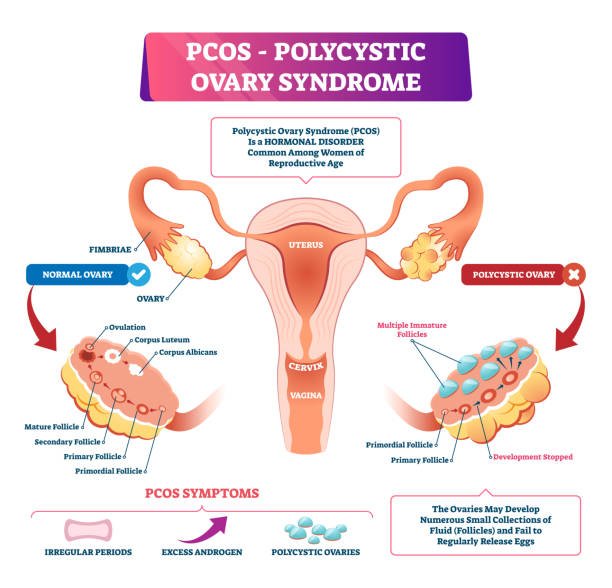
A big part of PCOS is how your body handles insulin. Many women with PCOS have something called insulin resistance, which means the body isn’t using insulin effectively. Over time, this can lead to weight gain and raise the chance of type 2 diabetes if nothing is done.
How Do You Know If You Have PCOS Symptoms?
If you’ve experienced changes in your periods, skin, weight, or energy and can’t figure out why, it’s time to talk with a provider about PCOS. Look for symptoms like:
- Irregular or skipped periods, fewer than 9 periods per year.
- Sudden or stubborn weight gain, especially around the belly.
- Stubborn acne or breakouts that don’t respond to normal skincare.
- Thinning hair on the scalp, often at the crown.
- Extra hair growth on the chin, face, chest, or belly.
- Unexplained fatigue, strong cravings, mood swings, or low energy between meals.
At Kairos, we do more than check a box. We ask about your cycle history, energy, sleep, stress, and metabolism.
PCOS Symptoms in Detail
We look at the signs of higher androgens, irregular ovulation, and sometimes ovarian changes on ultrasound. You do not need every symptom to have PCOS. You should pay attention to what your body is showing you, such as:
Hair loss and unwanted hair growth
High androgen hormones can shrink hair follicles on the scalp, so hair thins or the part line widens. This same hormone causes excess hair growth on the face and body. Improving insulin balance and lowering androgen activity over time can help slow shedding and reduce unwanted hair.
Breakouts and oily skin
Hormone shifts tell oil glands in the skin to make more sebum. Extra oil plus dead skin can clog pores and trigger stubborn acne, especially along the jawline, chin, and sometimes the back. Studies show women with PCOS are more likely to have acne that does not fully clear with regular skincare until the underlying hormone and insulin patterns are addressed.
Weight changes
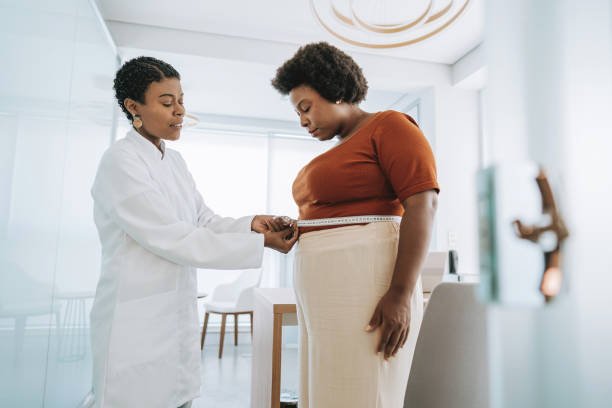
Many women with PCOS gain weight more easily, especially around the midsection, and find it hard to lose. A big reason is insulin resistance. When cells do not respond well to insulin, the body makes more of it. High insulin can drive fat storage, increase cravings, and even raise androgen levels, which feed back into symptoms.
Irregular periods
PCOS can disrupt ovulation. When you do not ovulate regularly, you may go months without a period or have long cycles followed by very heavy bleeding. At Kairos, we review your cycle history, symptoms, labs, and metabolic markers to determine the real issue and build a plan that suits your body
Can You Develop PCOS Later in Life?
Yes. PCOS does not always show up in the teen years. Some women are first diagnosed in their 20s or 30s, often when cycles change or pregnancy is on the radar. Mild signs can be missed in adolescence because cycles are naturally irregular in the early stages.
Research has revealed that weight changes, higher stress levels, or coming off birth control can make the symptoms more noticeable, even if the hormonal imbalance was present for years.
Can You Get PCOS After Having Kids?
PCOS does not suddenly start because you had a baby. The tendency is usually there long before pregnancy. But hormonal shifts postpartum can make symptoms, like irregular periods, acne, or weight gain, more noticeable. That is why some women first notice irregular periods, new or worsening acne, or stubborn weight gain after having a child.

If your periods stay irregular for several months, or you are dealing with breakouts, extra hair growth, thinning hair on the scalp, or belly weight that will not budge, it is worth checking for PCOS
PCOS and Pregnancy
PCOS can make getting pregnant harder because many women do not ovulate regularly. Some may go months between ovulations, which means fewer chances for conception. Blood sugar problems and insulin resistance, common in PCOS, can also affect cycle quality and early pregnancy.
The good news is that with the right support, many women with PCOS do get pregnant and go on to have healthy babies. At Kairos, we create personalized fertility plans that focus on your whole health, including hormones, blood sugar, thyroid, and lifestyle.
PCOS Tests at Kairos Integrative Care
There is no single test for PCOS. We look at your symptoms, cycle history, lab results, and imaging when needed. Not everyone needs every test. We may order:
- Fasting insulin and glucose: This test shows how your body handles sugar and helps spot early insulin resistance.
- Hormone panel: It’s very important as testosterone, progesterone, DHEA, and cortisol patterns give clues to hormone balance.
- Pelvic ultrasound: It checks your ovarian appearance and follicle pattern. Helpful, but it’s not always required for diagnosis.
- Lipid and inflammation markers: We check these as PCOS is shown to affect cholesterol, triglycerides, and low‑grade inflammation that ties into heart and metabolic risk.
- Thyroid function tests: Thyroid problems can mimic or worsen PCOS symptoms, so we screen this to make sure nothing is getting missed.
We also review your cycle tracking, weight changes, skin and hair symptoms, mood, and energy. Lab data plus your story is how we get an accurate picture and build a plan that fits real life.
Conclusion
If your doctor says your labs are normal but you still feel off, don’t ignore what your body is telling you. PCOS can be managed, but it starts with the right testing and a plan built for you.
At Kairos Integrative Care, Lola, one of our Board-Certified Nurse Practitioners, takes the time to understand your symptoms, your cycle, and your lifestyle. She creates a clear, step-by-step plan to balance your hormones, support your metabolism, and improve fertility when needed.
We’re here for women in Houston, Sugar Land, and nearby areas (77046 & 77478), and we work with most major insurance plans like Aetna, Cigna, BCBS, UnitedHealthcare, and Tricare.
Book your appointment today!