
It’s frustrating when you’re told you have normal thyroid labs , but you still don’t feel right. You are still experiencing fatigue, weight gain, mood changes, or brain fog, even though your TSH is within range. This actually creates more confusion than clarity for many patients.
The problem is that standard lab tests often don’t show everything. Most doctors only check TSH and sometimes free T4. These numbers are important, but they don’t show the other important pieces of thyroid function.
Thyroid health is more complex than one or two markers. It also depends on how your body converts and uses these hormones.
At Kairos Care in Texas, we see this every day. So in this article, we’ll walk through the main thyroid markers and what to do if your labs look normal but you still have hypothyroid symptoms.
What Is a Thyroid and a Normal Thyroid Level?
Your thyroid is a small, butterfly-shaped gland that sits at the base of your neck. Even though it’s small, it has a big influence on how you feel day to day. It controls your energy and metabolism. When thyroid hormones are in balance, most people feel steady and well.
Doctors usually check thyroid health with a TSH test (thyroid-stimulating hormone).
The standard thyroid normal range for TSH is usually 0.5 to 4.5 mIU/L. But just because you have a normal TSH doesn’t mean everything is truly normal.
Many people still have symptoms even when their labs look normal.
Symptoms with Normal TSH Levels
It’s possible to have ongoing thyroid symptoms even when your TSH falls inside the standard range. That’s because TSH alone doesn’t always reflect what’s happening with your active thyroid hormones (like Free T3) or whether your immune system is attacking the thyroid through antibodies.
With normal TSH, you may experience the following:
- Poor energy
- Sudden weight gain
- Feeling cold more often than others
- Slow heart rate
- Shortness of breath
- Brain fog
- Dry skin and brittle nails
- Depression or anxiety
- Joint stiffness
- Muscle pain
- Constipation or poor digestion
- Puffy face or swelling in hands and feet

Standard Lab Ranges vs. Functional Lab Ranges
Blood tests for thyroid function are widely available. But not all tests and not all ranges give you the full data.
Standard lab ranges are based on averages from large groups of people, many of whom may already have other health issues. This makes the range very broad and, in many cases, too forgiving. As a result, many people with true thyroid symptoms are told their labs are normal.
The problem is that standard testing often measures only TSH and sometimes T4, skipping other key markers.
This matters a lot because up to 90% of hypothyroidism is caused by an autoimmune condition called Hashimoto’s disease, yet standard tests almost never check thyroid antibodies.
But functional lab ranges are designed to reflect what is actually normal in healthy people. It checks for patterns across multiple markers such as TSH, Free T4, Free T3, antibodies, and more.
The Flaws of TSH-Only Testing
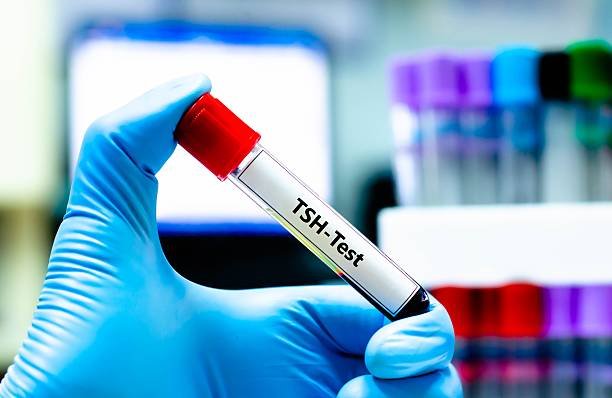
TSH tests are usually used to check thyroid health. It is very helpful because changes in TSH can show early signs of thyroid imbalance. But you need more than just TSH to understand your thyroid health.
That’s why we do deeper testing.
Free T3
Free T3 tells us how much active thyroid hormone your body actually has available. This is what gives your cells energy. If Free T3 is low, you may feel tired or foggy even when TSH looks fine.
- Standard lab range: about 2–4.6 pg/mL
- Functional (optimal) range: about 3.3–4.6 pg/mL
Reverse T3(rT3)
Reverse T3 (rT3) isn’t usually included in standard testing, but it plays a big role. It shows how much of your T4 (the storage hormone) is being turned into an inactive form.
When rT3 levels are high, it can actually block Free T3 from doing its job. It means your body may have the hormone, but it’s not able to use it properly, leaving you tired and frustrated. This is why, at Kairos, we test for it. We want to know what’s really standing in your way.
- Normal lab range: about 10–24 ng/dL
- Functional optimal range: often kept below 15 ng/dL
Thyroid Antibodies (TPO, TgAb)
This test checks for autoimmunity, especially Hashimoto’s disease. Antibodies can show up years before your thyroid numbers change. Sadly, standard testing often skips this step.
- TPO antibodies (Thyroid Peroxidase Antibodies)
- TG antibodies (Thyroglobulin Antibodies
- TSI antibodies (Thyroid-Stimulating Immunoglobulin): These are linked to Graves’ disease.
If these are high, it means your immune system is attacking the thyroid.
Nutrient Cofactors
Your thyroid also depends on nutrients like selenium, zinc, and iodine. If you’re low in any of these, it can mimic or worsen thyroid symptoms. Testing and supporting these nutrients can make a big difference in how you feel.

What Do I Do if I Still Have Symptoms With Normal Thyroid Labs?
Thyroid symptoms with normal Labs can leave you wondering what to do next. At this point, functional medicine can help you by treating symptoms as clues instead of ignoring them.
It’s always best to work with a functional provider who can help you get to the root of what’s really going on.
At Kairos Health, we:
- Run your full thyroid panels (TSH, Free T3, Free T4, Reverse T3, antibodies
- Check your nutrient levels like iodine, selenium, zinc, iron, and vitamin D, all of which play key roles in thyroid function.
- We check for Autoimmunity. Antibody tests can reveal this even if TSH and T4 are fine.
- Look at your other hormones, like adrenal stress, blood sugar swings, or sex hormone changes, which can mimic thyroid symptoms.
- Examine your gut health and detox pathways, since they directly impact your hormones and energy.
Bottom Line
The reasons behind lingering thyroid symptoms can look different for everyone. It all depends on the root cause. We are the leading functional medicine clinics in Texas, focused on helping patients find answers when standard testing falls short.
Lola, one of our board-certified practitioners, brings together functional medicine and primary care to create care plans that are practical, personalized, and rooted in science. Whether you’re in Houston, Sugar Land, Richmond, or connecting through telemedicine anywhere in Texas, our team is here to guide you every step of the way.
We accept major insurance plans like Blue Cross, Aetna, Ambetter, and Cigna. Telemedicine visits are also available across Texas for your convenience.
Book your appointment today!