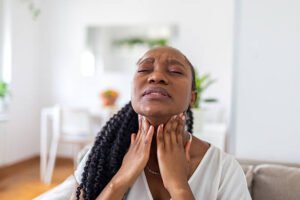

Hormonal changes are a natural part of life, but that doesn’t make them easy to navigate. Around 1.3 million women enter menopause each year in the U.S., yet women are unprepared for the symptoms, risks, and questions that come with it. The fact is, these changes don’t happen overnight. These signs often start years before your last period, and understanding them early can make a huge difference in how you feel, your long-term health, and your confidence through these phases.
Let’s explore together what perimenopause and menopause really mean, when they happen, what symptoms to watch for, and what you can do to feel your best.
What Is Perimenopause and When Does It Start?
Perimenopause is the pre-stage before menopause when the ovaries start making less estrogen and progesterone. This usually starts in your late 30s or early 40s, but it can happen earlier or later. For most women, it lasts about 4 to 8 years.
You might notice changes like:
- Hot flashes
- Night sweats
- Trouble sleeping
- Mood swings
- Breast tenderness
These changes aren’t just in your head. They’re caused by real shifts in hormones that affect your brain, metabolism, and nervous system.
What Is Menopause?
Menopause officially begins when you have gone 12 consecutive months without a period. The average age is around 51, but it can happen earlier or later. Menopause can occur naturally or be triggered by surgery, like removing the ovaries, cancer treatments, or certain medical conditions.
Even after menopause, symptoms like hot flashes, sleep changes, or brain fog can continue for years if not addressed.
Premenopause vs Perimenopause vs Menopause
Every woman goes through these stages once in their life. Understanding where you are matters because each stage needs its own care plan.
Premenopause
This is your normal reproductive phase. Cycles are regular, and there are no hormone-related symptoms yet. Most women are here through their 20s and early 30s.
Perimenopause
This is the transition toward menopause. Estrogen and progesterone start to fluctuate, which can cause changes in your cycle, sometimes longer, sometimes shorter.
Menopause
This is the stage when your periods have completely stopped for 12 months. Hormone levels are much lower now, and you may notice symptoms like vaginal dryness or bone changes. At Kairos health, we help women identify which phase they’re in and create care plans that suit their body.

Do All Women Go Through Perimenopause?
Yes, unless menopause happens suddenly from surgery or illness. Timing varies based on genetics, lifestyle, and health factors. Early menopause before age 40 happens in about 1 in 100 women, often due to premature ovarian insufficiency.
Key Symptoms Women Often Overlook
Most women expect hot flashes, but hormonal shifts affect almost every system in the body.
Some surprising signs include:
- Frozen shoulder or joint stiffness
- Hair thinning or shedding
- Mood swings or anxiety
- Weight gain, especially around the belly
- Brain fog and memory slips
These happen because estrogen doesn’t just impact reproduction, it influences metabolism, brain chemistry, and connective tissue.
Tests That Help You Understand If It’s Perimenopause or Something Else
Symptoms like fatigue, mood changes, or weight gain can also point to thyroid issues, insulin resistance, or nutrient gaps. At Kairos Integrative Care, we may order advanced labs to deeply understand what’s really happening.
Helpful tests include:
- Hormone panels: Estrogen, progesterone, FSH, LH
- Thyroid function: TSH, T3, T4
- Lipid profile & glucose: For heart and metabolic health
- Inflammation markers: To assess overall stress on the body
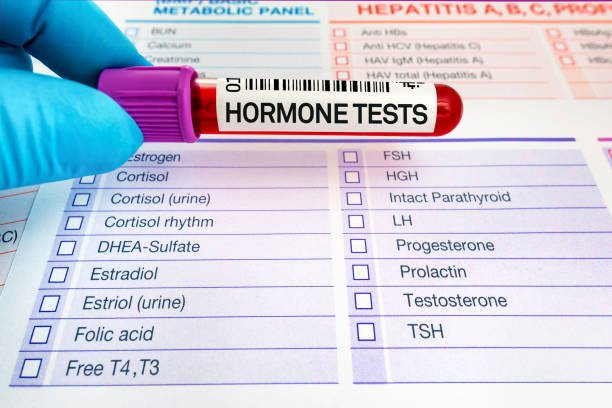
These tests give us full data and help us determine if it’s perimenopause or something else.
How to Manage Menopause & Perimenopause
Following are the actionable steps you can start taking today to manage your symptoms early:
1. You should follow a sleep routine:
Go to bed and wake up at the same time every day, even on weekends. You should avoid screens at night and stop drinking caffeine later in the day.
2. Add protein to every meal:
Try to include things like eggs, chicken, fish, or beans with your meals. Protein helps keep your energy steady and stops those sudden cravings.
3. Avoid Alcohol and Caffeine:
Alcohol and caffeine are not good for you at this stage. These can trigger hot flashes and night sweats, so avoid them.
4. Regular Exercise:
You should do regular exercise, including walking or lifting light weights. It can help you manage your weight, feel better, and keep your bones strong.
5. Don’t ignore vaginal dryness:
Vaginal dryness is common. It is recommended to use a hormone-free vaginal moisturizer regularly to keep things comfortable and can prevent infections too.
How We Help Women at Kairos Integrative Care
Research reveals that menopause can affect your long-term health. There is not enough estrogen in the body, and women are more likely to face health risks such as heart disease, osteoporosis, type 2 diabetes, and even dementia. Considering these risks, we listen and understand your full story by using functional testing, advanced labs, and personalized strategies.

We build a plan to support your hormones naturally and use advanced nutrition, stress, and sleep strategies to address your body’s needs.
Conclusion
Hormonal changes are real, but they do not have to control how you feel. At Kairos Health Integrative Primary Care, Lola, one of our Board-Certified Nurse Practitioners, helps women in Houston, Sugar Land, and surrounding areas (77046 and 77478) find answers and feel like themselves again.
We accept most major insurance plans, including Aetna, Ambetter, BCBS, UnitedHealthcare, and Tricare.
Book your appointment today!