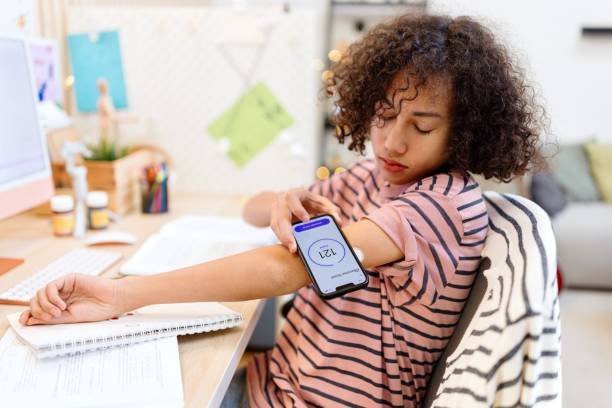
Your blood sugar plays a big role in how you feel each day. Sometimes you might feel dizzy, tired, or irritable without knowing why.
These changes can point toward shifts in your blood sugar, the same ones we look at when explaining hypoglycemia vs hyperglycemia. At Kairos Functional Medicine Houston, we help you spot these changes early and take steps to keep your blood sugar steady.
Low blood sugar, or hypoglycemia, and high blood sugar, or hyperglycemia, happen most often in people with diabetes. But anyone can experience them at times, like when you’re stressed, skip a meal, or get sick.
Each has its own set of symptoms and risks, but knowing what to watch for makes it easier to manage your health every day.
What is Hyperglycemia?
Hyperglycemia means your blood sugar is higher than normal. Usually, this is above 130 mg/dL after fasting or over 180 mg/dL a couple of hours after eating. It often develops slowly, so you may not realize it at first.
The following are the signs of Hyperglycemia
- You are peeing more than usual
- You are feeling very thirsty
- Feeling tired or weak
- Blurry vision
- Headaches
- Nausea or vomiting
- You may see trouble breathing in severe cases
If hyperglycemia goes untreated, it can get serious and cause conditions like diabetic ketoacidosis (DKA) or hyperosmolar hyperglycemic state (HHS) can develop.

What Is Hypoglycemia?
Hypoglycemia happens when your blood sugar drops too low. It is usually below 70 mg/dL. When this happens, your body and brain don’t get the energy they need.
It can come on quickly, especially if you are taking insulin or some diabetes medications.
The following are the key signs to look for:
- You are feeling shaky
- You are sweating more than usual
- You are heart is racing
- Feeling irritable for no reason
- You have brain fog or trouble thinking
- Sudden intense hunger
- You may see seizures or fainting in severe cases
If your low blood sugar happens often, your body may stop giving you the usual warning signs.. This may lead to hypoglycemia unawareness. When that happens, it’s harder to know if your blood sugar is low or not. That’s where the real risk starts.
What causes Hypoglycemia in Diabetes?
Hypoglycemia can occur even if you have diabetes or not.
For people with diabetes, low blood sugar usually happens when there’s too much insulin or other diabetes medication in the body. This makes your cells take in too much glucose, lowering blood sugar too fast.
Some of the main causes in people with diabetes include:
- Taking too much diabetes medication
- Exercising more than usual
- Skipping meals
- Being sick or unwell
This is very rare, but low blood sugar can also happen in people without diabetes. It happens because of the following reasons:
- Certain medications
- You have rare tumors
- You are drinking too much alcohol
- Poor nutrition
- Poor Adrenal Function
Also, People with type 1 diabetes are especially at risk for nocturnal hypoglycemia, which is a condition in which your blood sugar drops overnight. This can cause you headaches or fatigue in the morning. So, it is very crucial to monitor your blood glucose level on a regular basis.
What causes Hyperglycemia in Diabetes?
Hyperglycemia occurs when your body is not able to make enough insulin or it cannot use it properly.
For people with diabetes, the following can be the causes of high blood sugar:
- You are missing diabetes medication
- Eating more carbs than usual
- Taking stress or sudden illness
- Dehydration
- Also, People with type 1 diabetes may see overnight spikes if they don’t take doses at the proper time.
In people without diabetes, high blood sugar can happen temporarily due to severe illness, certain medications, hormone problems, or stress.
Over time, this prolonged high blood sugar can harm your body. It can cause sudden inflammation, increase your blood pressure, and damage your nerves and eyes if not managed.
Can You Experience Both Low and High Blood Sugar in Diabetes?
Yes, people with diabetes can experience both low blood sugar (hypoglycemia) and high blood sugar (hyperglycemia), though not at the exact same time. These imbalances usually occur when insulin or other diabetes medications are being adjusted. Skipping meals, heavy exercise, and stress can also affect your blood sugar levels. These swings are real and can increase your risk of heart problems, affect your overall concentration, and memory.
Testing for Diabetes
If you have diabetes, it’s important to check your blood sugar often. Different tests help you understand when your blood sugar is high or low.
- Fasting Blood Glucose Test: This test is perfect for measuring your blood sugar after not eating overnight
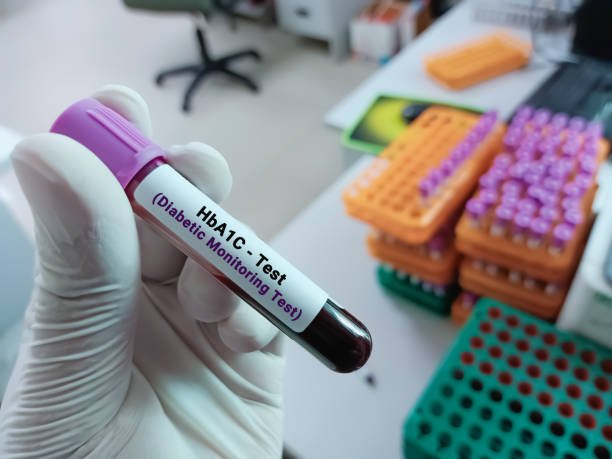
- HbA1C Test: This shows your average blood sugar over 2–3 months, helping you assess your long-term health.
- Oral Glucose Tolerance Test (OGTT): This checks how your body handles sugar after a drink, often used in pregnancy.
- Continuous Glucose Monitoring (CGM): You can see your blood sugar in real time, spotting your high and low levels quickly.
- Regular check-ups with a diabetes doctor or functional medicine provider help you adjust the treatment accordingly.
How to Manage Hypoglycemia and Hyperglycemia
You can easily manage the mild episodes of low or high blood sugar safely at home with careful attention. Understanding the basics of hypoglycemia vs hyperglycemia makes it easier to know what your body needs in the moment.
You can manage Hypoglycemia by following these tips:
- You should eat or drink something fast-acting, like juice or glucose tablets.
- Keep checking your blood sugar after 15 minutes.
- Keep small, balanced snacks handy to prevent drops.
- Always carry a quick sugar source with you.
You need immediate care for hypoglycemia if you feel confused, dizzy, have blurry vision, or have seizures.
You can manage Hyperglycemia by following these tips:
- You should drink plenty of water to stay hydrated.
- Don’t forget to take your medications as prescribed.
- Adjust your meals and activity if needed.
- Monitor your blood sugar regularly.
You need immediate care for hypoglycemia if your blood sugar stays very high or severe symptoms appear.
At Kairos Functional Medicine Texas, we can guide you on what to do to provide the best treatment plans. You can also visit our clinics in Houston or Sugar Land for personalized care.
Conclusion
Low and high blood sugar may seem similar, but they are opposite issues. Both can cause serious health problems if not managed. At Kairos, Lola, one of our board-certified practitioners, helps patients understand their patterns and respond quickly with strategies.
We see patients in Houston, Sugar Land, Richmond, and nearby areas (77046 & 77478). We accept most major insurance plans, including Blue Cross, Aetna, Ambetter, Cigna, and more.
New patients are welcome, and if you can’t make it to the clinic, telemedicine visits are available for patients across the entire state of Texas.
Book your appointment today!