Breast cancer is a concern for many women, and it is normal to feel worried when you hear about it. Some of the risk factors, like genetics, family history, and breast density, are out of our control, but your daily habits play a big role in how to prevent breast cancer naturally.
Studies show that nearly 42 percent of cancer cases and 45 percent of cancer deaths in the U.S. are linked to factors that you can influence.
For breast cancer specifically, research suggests that around 30 percent of postmenopausal cases are tied to modifiable risks. And adopting healthy habits early could prevent 50–70 percent of breast cancers.
If you’re looking for ways to protect yourself, at Kairos Integrative Care in Houston, we’ve gathered effective functional ways that are backed by research to lower your risk naturally.
1. Keep Your Weight in Check
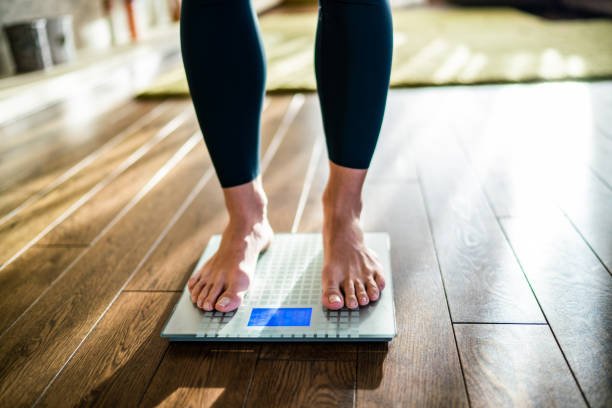
Being overweight can raise your estrogen levels, which can increase the risk of breast cancer after menopause.
Even losing 10 pounds can make a real difference. Studies suggest it could lower your future risk of cancer by about 30 percent. Try to eat plenty of vegetables, fruits, whole grains, and lean proteins, and be mindful of your meal portions.
Latest studies from the Breast Cancer Research Foundation and other researchers show that body weight plays a big role in breast cancer risk.
2. Breastfeed if You Can
If you can breastfeed, it may help lower your risk of breast cancer. Breastfeeding reduces the number of menstrual cycles over a lifetime, which can lower hormone exposure linked to some breast cancers. On top of that, breastfeeding has many health benefits for your baby, too.
3. Keep Moving Every Day
Exercise helps your body in many ways. It balances your hormones and lowers the inflammation. Try to get around 150 minutes a week of activity you enjoy, like walking, swimming, running, playing tennis, doing a home workout, or cycling. If 30 minutes a day feels like too much, you can start small. Even a short walk matters for your health.
Also, do strength training 2–3 times a week to build muscle and support your metabolic health.
Studies show that any movement is better than none, and staying active helps manage weight. Being active regularly can lower your risk of breast cancer and other serious health issues.
4. Avoid Red Meat
Red meat, like beef, pork, lamb, or veal, and processed meats such as bacon, sausages, and deli slices can raise your risk of breast cancer and other cancers. Studies, including one in The International Journal of Cancer, show that high intake of processed meats is directly linked to hormone-related cancers.
But some studies have confirmed that high intake of processed meats is directly associated with hormone-related cancers.
Because diet plays a big role in how to prevent breast cancer, focusing on whole foods instead of heavily processed or fatty meats is a simple and effective step. Even small changes, like swapping a few meat-based meals each week for plant-based options, can make a difference over time.
5. Try to Eat More Fruits and Veggies
Fruits, vegetables, whole grains, and lean proteins are great for your overall health and may lower your risk of breast cancer.
Try to eat about two cups of fruit and two-and-a-half cups of vegetables every day. If you don’t get enough of these, your risk of breast cancer, especially ER-negative types, can go up.
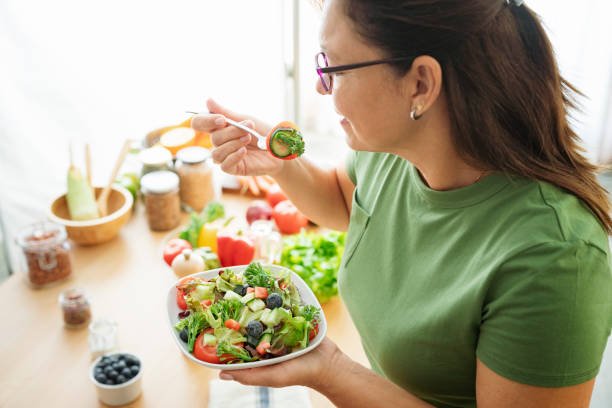
Vegetables and fruits give you fiber, antioxidants, and important nutrients. Cruciferous vegetables like broccoli and cauliflower, along with leafy greens, are packed with carotenoids. These natural pigments may protect you against ER-negative breast cancer.
6. Eat Breast-Friendly Foods to Prevent Breast Cancer
Improving your diet can boost overall health and may lower your cancer risk. There are some foods that provide protective nutrients. Others may increase your risk.
Foods to include in your diet:
- Fruits and vegetables like berries, peaches, citrus, broccoli, Brussels sprouts, kale, arugula, spinach, mustard greens, chard
- Whole Grains like oats, barley, quinoa, brown rice
- Legumes like beans, lentils, chickpeas
- Fatty Fish, including salmon, mackerel,
- Nuts and Seeds like almonds, walnuts, sunflower seeds, flaxseeds, chia seeds
- Green Tea
- Garlic and Onions
Even if you eat well, it’s still important to check your breasts regularly and get routine mammograms.
7. Avoid Alcohol Completely
Alcohol can raise your risk of breast cancer. Even small amounts, like one drink a day for women, can increase risk, especially for hormone-related breast cancers.
Studies show alcohol is directly linked to several cancers, including breast cancer. Many people don’t realize it’s a known carcinogen. Around six percent of cancer cases and four percent of deaths are tied to alcohol. Limiting or avoiding alcohol can lower your risk.
8. Be Careful with Birth Control Pills
If you take birth control pills, know there’s a small increase in breast cancer risk while using them. The risk goes away soon after you stop. Pills can also raise the chance of stroke or heart problems, especially if you smoke or are over 35. It’s best to avoid starting birth control pills after age 35.

At Kairos care in Houston, our functional medicine team can help you weigh the risks and benefits and guide you in choosing safe options that suit your health.
9. Avoid Hormone Therapy
Long-term use of hormone replacement therapy (HRT) can raise your risk of breast cancer. Studies show that combined estrogen and progestin therapy increases this risk. Even estrogen-only therapy is linked to higher breast cancer chances.
Menopausal hormone therapy should not be used long-term to prevent other diseases. If HRT is needed, use the lowest dose for the shortest time possible.
10. Regular Screenings and Self-Examination
Even if you do everything right with diet, catching problems early is still key. Mammograms are the best way to spot breast cancer early, including stage 0 or tiny tumors. You should start yearly mammograms around age 40. If you have a family history of breast cancer, your doctor might suggest starting earlier.
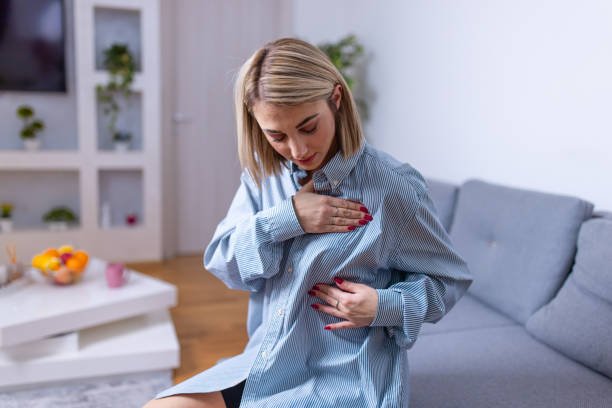
You can also do self-examination at home. Take a few minutes each month to feel your breasts. Look for new lumps, changes in skin, or anything unusual with your nipples.
Conclusion
If you know you have a higher-than-normal risk of breast cancer, such as carrying a gene mutation like BRCA1, BRCA2, or PALB2. It’s especially important to stay proactive with screenings and self-checks.
This October, we’re raising awareness for breast cancer at Kairos. Visit us and we’ll guide you on how to prevent breast cancer with proper self-check techniques and create a personalized plan for you to stay on top of your breast health.
We combine functional medicine with primary care in Houston, Sugar Land, and Richmond, Texas.
Major insurance plans like Blue Cross, Aetna, Ambetter, and Cigna are accepted. If you can’t make it to the clinic, telemedicine visits are available anywhere in Texas.