
Estrogen is essential. It helps support reproduction, mood, brain function, bone strength, and healthy metabolism. You need it.
Problems begin when estrogen is higher than the hormones that usually keep it in balance. In women, we call it progesterone. In men, testosterone plays that role.
This irregular pattern is sometimes called estrogen dominance, and it can show up even when your lab result says estrogen is normal, because the ratio matters.
Let’s explore what it means, why it happens, what to watch for, and how we help patients sort it out at Kairos Integrative Care.
What Is Estrogen Dominance?
Estrogen dominance means there is too much estrogen in the body as compared to other hormones that should keep it balanced. In women, this often means there is not enough progesterone compared to estrogen. In men, it can happen when testosterone drops and estrogen becomes relatively stronger.
This shift does not occur overnight. It can build up slowly due to chronic stress, weight changes, sluggish liver function, or certain medications. Estrogen is mainly stored in fat and cleared through the liver and gut, problems in these areas can also make symptoms worse.
High Estrogen Symptoms
The following are some of the most common signs we see when estrogen is running higher than it should:
1. Menstrual and Cycle Changes
If your period has shifted, like coming sooner, skipping, getting heavier, or showing spotting between cycles, it can be an early sign that hormones are off.
When progesterone is low, estrogen has more room to act. The uterine lining can build thicker than usual, and the next bleed may be heavier, more painful, or longer.
If you see this more, start tracking your cycles and bring the notes to your provider so that the pattern is clear.
2. Bloating and Water Retention
If your rings feel tight, your belly feels fuller, or your breasts feel swollen before your period, your estrogen might be the reason.
Estrogen naturally influences how your body holds onto water. When its levels fluctuate, it can make you feel puffy.
3. Mood Shifts
Feeling more irritable, anxious, or emotionally sensitive during the second half of your cycle can be a sign of an imbalance between estrogen and progesterone

Estrogen plays a big role in how brain chemicals work, and when there isn’t enough progesterone to balance it out, even small things can feel overwhelming and can cause stronger emotional reactions than usual.
4. Breast Tenderness or Fullness
If your breasts feel sore, swollen, or extra sensitive before your period, it could be a sign that estrogen levels are higher than they should be.
Estrogen naturally affects breast tissue, which can make it feel fuller or tender.
When this becomes more intense or lasts longer month after month, it’s worth checking your hormone balance to see what’s going on.
5. Skin Breakouts
If you notice pimples popping up around the same time in your cycle, especially on the jawline or chin, your hormones may be the reason.
When estrogen is high, other hormones like testosterone or DHEA can also spike which causes more oil production and skin inflammation.
6. Hair Changes
Some people may experience more hair falling out, a widening part on your scalp, or even fine, darker hairs appearing on areas like the chin, upper lip, chest, or belly.
These changes ocuur due to shifts in hormones particularly when estrogen and androgens like testosterone are out of balance.
7. Weight in the Hips, Thighs, or Midsection
Another sign of high estrogen is weight gain, especially around the hips, thighs, or belly. Fat tissue can make and store estrogen, so as body fat rises, estrogen exposure can rise with it. Insulin resistance and low activity can push this loop along.
8. Fatigue and Brain Fog
When your hormones are out of balance, it can throw off your sleep, blood sugar, and even how your body handles stress.
All of these factors affect your energy and mental clarity. If you’re getting enough rest but still feel tired or foggy, it may be due to estrogen imbalances.
High Estrogen Symptoms in Women
Many women start noticing signs of high estrogen during their reproductive years, and it often becomes more obvious as they approach perimenopause.
Birth control pills, fertility treatments, and hormone therapy can also lead to estrogen imbalance.
Your body clears estrogen through the liver and intestines, but problems like insulin resistance, gut problems, or even a low-fiber diet can slow that process and make symptoms worse.
If you notice repeating patterns like mood swings, breakouts, breast soreness, or unusual bleeding in your cycle, bring it up with your provider; it can help them find the right care faster.
High Estrogen Symptoms in Men
Men naturally produce small amounts of estrogen, but problems occur when testosterone levels drop due to age, stress, poor sleep, excess alcohol, or weight gain. This can cause more belly fat, less muscle mass, lower libido, erectile changes, or even breast tissue growth.
Men may see mood changes like irritability or low drive. Since fat tissue converts testosterone into estrogen, weight gain can make things worse.

If you have low testosterone, it is very important to check the estrogen level to get the full picture.
Foods High in Estrogen and When to Be Careful
Some foods naturally contain plant-based compounds called phytoestrogens, which act like very mild forms of estrogen in the body. In fact, many of them are healthy.
The issue comes when they’re consumed in large amounts or when the liver and gut, which help clear excess estrogen, aren’t working at their best.
A few things to keep in mind:
- Eating a lot of concentrated soy products, like soy protein shakes, processed soy bars, or snacks, can increase estrogen in some people.
- Highly processed dairy and meats from animals exposed to hormones can increase overall hormone load.
- Avoid Alcohol, as it makes it harder for the liver to clear out extra estrogen.
- A diet low in fiber allows more estrogen to be reabsorbed in the gut instead of leaving the body.
Instead of cutting out entire food groups, we guide our patients to focus on a balanced diet, like adding more fiber and cruciferous veggies like broccoli, cauliflower, and Brussels sprouts, choosing clean protein, and keeping alcohol in check.
Testing for Estrogen Dominance at Kairos
We believe in deep testing because high estrogen symptoms can overlap with thyroid problems, adrenal stress, and blood sugar issues. We may test:
- Estrogen and progesterone balance. We measure estradiol and estrone and compare them with progesterone at the right point in your cycle. The ratio tells us more than a single number.
- Androgens. Testosterone and DHEA influence skin, hair, weight, and how your body processes estrogen. Shifts here can explain acne, shedding, or changes in body shape.
- Ovulation signals. FSH and LH help us see how the ovaries are responding. They are useful when cycles are irregular, spaced out, or when perimenopause is a question.
- Thyroid function. We often include TSH, Free T4, and Free T3. Thyroid status affects metabolism, mood, and how the body clears and binds estrogen.
- Liver and transport markers. Labs like AST, ALT, and GGT show how well the liver is processing what comes through it, including hormones.
- Blood sugar markers. Fasting glucose, insulin, and sometimes A1C help us understand cravings, weight gain, and fatigue. Insulin resistance can push estrogen patterns in the wrong direction.
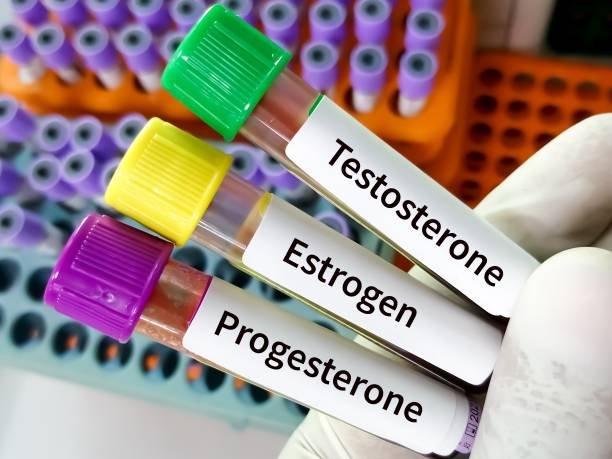
Bring your high estrogen symptoms notes and cycle tracking if you have them. Your story and targeted labs give us the path to create the right plan for you.
Work With Us
At Kairos Integrative Care, Lola, one of our Board‑Certified Nurse Practitioners, takes the time to connect your symptoms, lab results, and lifestyle so you get clear answers that actually make sense.
We welcome patients from Houston, Sugar Land, and nearby areas (77046 & 77478) and accept most major insurance plans, including Aetna, Cigna, UnitedHealthcare, Tricare, and more.
Book your appointment today, and let’s see if high estrogen is part of what’s been making you feel off.