You may have high blood pressure without realizing it. Yes, A lot of people don’t feel any symptoms, but their hearts and arteries are actually under constant stress.
It is estimated that a total of 1.4 billion adults aged 30-79 years globally had hypertension. This figure represents around 33% of the population in this age bracket. High blood pressure can indicate that there is a problem that requires medical treatment.
Most people tend to ignore their high blood pressure symptoms until it causes them a serious problem. It is very necessary to always keep it under check, especially when there is a family history of hypertension.
What Is High Blood Pressure or Hypertension?
High blood pressure is a common problem that affects the blood vessels in your body. It is also referred to as high blood pressure. It is a measure of the blood force against the walls of your arteries.
When the levels are high, it puts extra pressure on your heart, blood vessels, kidneys, and brain.
Your blood pressure is measured in two values:
- Systolic pressure: It is the first number, which shows the pressure at the time when your heart is beating.
- Diastolic pressure: It is the second number, which shows the pressure at the time when your heart is at rest between two beats.
Typically, normal blood pressure is in the range of 120/80 mmHg. When reading above 130/80 mmHg, it could be high blood pressure or hypertension.
The main problem with hypertension is that it is generally a silent killer, so a lot of patients only find out when they get a routine check or when they already have some serious complications.
High Blood Pressure Symptoms
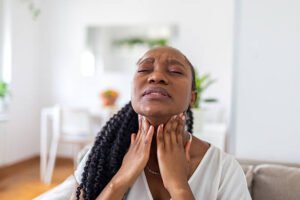
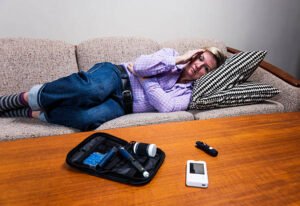
The majority of people have no distinct symptoms, yet there are a few minor signs that may indicate your blood pressure might be high. In case of high BP, you will experience:
- Waking up with a headache
- Dizziness
- Getting blurry vision
- Experiencing shortness of breath
- Numbness
- Eye pain
- Swelling
- Slurred speech
- Tiredness while doing activities that you normally handle easily
- Chest pain
- Abnormal heartbeat
One should keep in mind that these symptoms are not enough to indicate high blood pressure. The only certain way to find out is by regularly measuring your blood pressure.
How to Know If You Really Have High Blood Pressure
1. Check Your Blood Pressure at Home
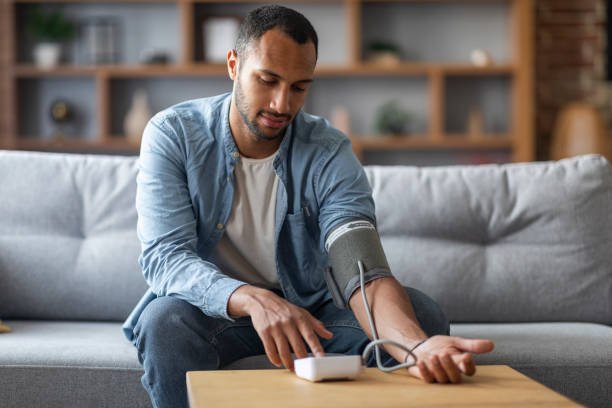
The only method of knowing whether you have high blood pressure is by measuring it. Home blood pressure monitoring is a great way to start.
Use a validated blood pressure cuff and follow these tips:
- Quietly sit for 5 minutes before measuring
- The cuff is wrapped around the upper arm before being inflated.
- Keep your arm leveled with your heart.
- Take the measurements at the same time each day.
- Write down the results for at least a week to identify the patterns.
Don’t panic if you get one high reading. If your blood pressure reading is higher than usual, measure it once more.
2. Go for a Professional Diagnosis
Your healthcare provider can prove whether you are really having high blood pressure or find out if there is any other cause behind your symptoms.
If you have cardiovascular disease, high blood sugar, or kidney failure, your blood pressure targets should be below 130/80 mmHg. It is best to have your blood pressure checked professionally once a year, especially if you are over 30 years old.
At Kairos, our healthcare providers understand your symptoms and readings and offer patient-centric recommendations based on your health history.
3. Know Your Risk Factors
There are some factors that raise your chance of getting high blood pressure. Modifiable risk factors are the ones you can change. These include:
- Eating too much salt
- Saturated or trans fats
- Low intake of fruits and vegetables
- Low physical activity
- Overweight
- Tobacco use
- Excessive alcohol intake
- Chronic stress
- Poor sleep habits
- High cholesterol
Unmodifiable risk factors are the ones you can’t change. These include:
- Family history of high blood pressure
- Age over 55
- Certain medical conditions, like kidney disease
- If you belong to a certain ethnicity, like a non-Hispanic black adult
When High Blood Pressure Is an Emergency
Any BP value equal to or greater than 180/120 mmHg is marked as a hypertensive emergency. You could be in two major circumstances when your BP is this high:
Hypertensive Urgency is a condition where your BP ≥ 180/120 without severe symptoms. Here, you should definitely call your doctor, but you might not be required to go to an emergency room immediately.
Hypertensive Emergency is one of the most dangerous situations where your BP ≥ 180/120 with serious symptoms such as:
- Severe chest pain
- Shortness of breath
- Blurred vision
- Difficulty speaking
- Trouble moving an arm/leg
This is a medical emergency, and call 911 or your local emergency number immediately. These symptoms are very likely to indicate organ damage, such as the heart, brain, kidneys, and eyes that have been affected by extremely high pressure. This may lead to stroke, heart attack, kidney failure, or other life-threatening complications.
When BP Medication is Necessary
If your blood pressure is still high after doing the right diet, your healthcare provider might suggest medication to lower the long-term risk. You are required to take medicines if:
- Your blood pressure is high even after making lifestyle changes
- You have other risk factors for cardiovascular diseases
- You have organ damage like heart, kidneys, and eyes
Your provider will take your overall risk into account and may give you the right medicine sooner to save your organs from damage.
Popular BP medications that are usually recommended are ACE inhibitors such as lenalapril and lisinopril, Diuretics such as felodipine, and calcium channel blockers, etc.
Conclusion
High blood pressure, or hypertension, doesn’t make you feel bad at first. But if left untreated, it can do a great deal of damage to your arteries and heart without you being aware of it.
In fact, by simply monitoring your blood pressure regularly and taking preventive measures against it, you will be able to keep your heart safe and your body healthy. It is advisable to consume more vegetables and fruits and to take part in physical activity for at least 30 minutes a day.
In case you are worried about your unstable blood pressure, schedule a consultation with Kairos Integrative Care. Lola, one of our integrative nurse practitioners, will devise a strategy that is suitable for your overall health.