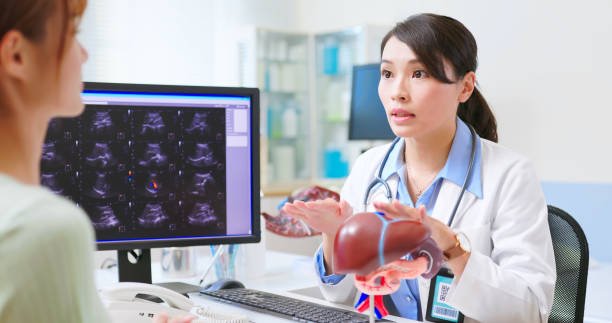
Not everyone gets an ultrasound or regular blood tests, so fat in the liver often goes unnoticed. But if your recent ultrasound or labs showed fat in your liver, you might be wondering what it means, especially if you do not drink much or have no symptoms. Fatty liver is very common these days and can be reversed if caught early.
In this article, we’ll walk through what fatty liver means, why it shows up in people who do not drink heavily, how to know if it’s getting worse, and what actually helps it improve.
Our goal at Kairos Integrative Care is to catch liver stress early, before inflammation and scarring occur.
What Is Fatty Liver?
Your liver is one of the hardest-working organs in your body. It processes food, hormones, and toxins, and helps regulate energy. Fatty liver happens when extra fat builds up inside your liver cells.
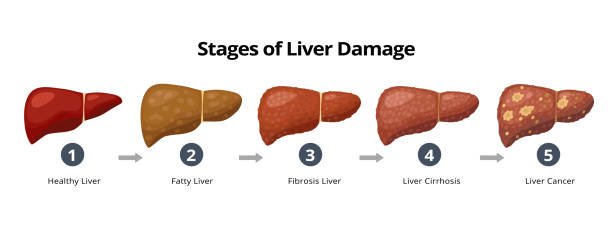 At first, it may not cause symptoms, but over time, it can lead to inflammation, scarring, and even liver failure if ignored. It’s often linked to issues like high blood sugar, insulin resistance, weight gain around the waist, and high triglycerides.
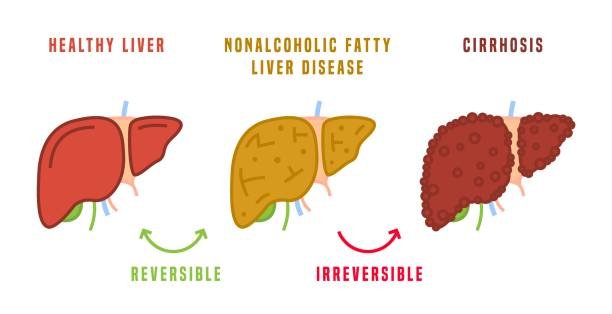
Fortunately, this process can be slowed and often reversed before serious damage occurs.
Why Does It Happen If You Don’t Drink Alcohol?
For years, the condition was called NAFLD (nonalcoholic fatty liver disease), emphasizing that alcohol wasn’t the cause. Today, experts prefer MASLD, Metabolic Dysfunction Associated Steatotic Liver Disease, because the main culprit is metabolic stress, not drinking.
Factors that commonly drive fatty liver include:
- Insulin resistance and high blood sugar
- Extra fat stored around the waist
- High triglycerides and low HDL cholesterol
- Diets rich in sugary drinks and processed foods
- Poor sleep, high stress, or certain medications
You don’t have to be overweight to develop this condition. Anyone with these metabolic patterns can be at risk.
How Serious Is It?
In the beginning, most people don’t feel anything unusual. Some may notice mild fatigue or a vague heaviness in the upper right side of the abdomen. But its advanced stages can lead to swelling, yellowing of the skin, and complications like liver failure.
Here’s what usually happens step by step:
- Fatty Liver: This is the first stage. There’s fat inside the liver, but the liver still works fine. It’s usually reversible with healthy changes.
- Fat + Inflammation (MASH): In this stage, the liver is irritated. This increases the risk of scarring.
- Scarring (Fibrosis) and Cirrhosis: Healthy liver tissue turns into scar tissue. If this keeps going, the liver stops working properly, which can lead to serious problems like liver failure or cancer.
How Do We Diagnose Fatty Liver?
An ultrasound can spot moderate to severe fat in the liver, but it can’t measure scarring. That’s why at Kairos Integrative Care, we go deeper with a full evaluation that often includes:
- Blood tests: To check liver enzymes and rule out other possible causes.
- FibroScan®:A quick, non-invasive scan that measures liver scarring and fat content.
- Lifestyle review: We review your sleep patterns, diet, medications, and metabolic factors, all impact liver health.
We may order a liver biopsy when the situation is unclear or advanced disease is suspected. We’re here to help you get the full picture and a plan that works for you.
Can It Be Reversed?
Yes, research shows that reducing liver fat is possible with the right steps.
Even modest weight loss, around 5% of body weight, can improve liver health, while a 7–10% weight reduction can significantly reduce inflammation and scarring risk.
But weight loss isn’t the only factor. People who focus on balanced nutrition, regular physical activity, and better blood sugar control often see meaningful improvements, even without major changes on the scale.
What Actually Works?
Nutrition matters most. A Mediterranean-style diet rich in vegetables, fruits, beans, whole grains, olive oil, nuts, and fish consistently shows benefits for liver and metabolic health. Cutting back on sugary drinks and refined carbs is one of the fastest ways to reduce liver fat.
Movement is essential. Both aerobic exercise, like brisk walking or cycling, and strength training help improve insulin sensitivity and reduce fat in the liver. Even walking for 10–15 minutes after meals makes a difference.
Sleep and stress count. Poor sleep and chronic stress can worsen insulin resistance and liver fat, so addressing these areas is part of a complete plan.
Signs of Improvement
We track progress through lab results, imaging, and how you feel. Falling liver enzymes, improved FibroScan readings, better blood sugar, and shrinking waist size are all good signs.
Many patients also notice more energy and better digestion as their liver health improves.
The Bottom Line
Fatty liver is common and, in most cases, reversible when addressed early. If your ultrasound or blood work shows signs of fatty liver, don’t ignore it. Simple, targeted steps can protect your liver and your long-term health.
At Kairos Integrative Care, Lola, one of our Board-Certified Nurse Practitioners, looks beyond the numbers, helping you identify the root causes, create a plan that fits real life, and monitor your progress every step of the way.
We serve Houston, Sugar Land, and nearby areas, and we accept most major insurance plans.