Pregnancy is a beautiful experience, but it comes with many health challenges. One condition that many women hear about and worry about during pregnancy is gestational diabetes. If you’ve been told you have it, it’s normal to feel worried and full of questions like:
Will gestational diabetes go away after pregnancy? How does it affect my baby’s health? Does this mean I’ll develop diabetes later in life?
These are real concerns. At Kairos, we’re here to help you understand what gestational diabetes means for your health and your baby’s future.
What is Gestational Diabetes?
Gestational diabetes develops only during pregnancy. It happens when your body can’t make enough insulin to control your blood sugar during this time. Most women are diagnosed between the 24th and 28th week of pregnancy. In many cases, blood sugar levels return to normal after delivery. But it is still very important to manage it carefully for both mother and baby.

Signs of Gestational Diabetes
Prenatal screenings between 24 and 28 weeks are so important because gestational diabetes doesn’t show any signs in the beginning. Still, your body sometimes gives you little signals that shouldn’t be ignored.
Some signs of signs may include:
- You are feeling thirsty all the time, even after drinking plenty of water
- You are urinating more often than usual, beyond what pregnancy itself causes
- You are always tired, even with proper rest
- You have blurry vision, making it hard to focus
- Nausea or frequent infections, showing your body is under extra stress
Many people ignore these signs as they easily overlap with normal pregnancy changes. That’s why talking with your doctor and keeping up with tests is the safest way to protect both you and your baby.
Does Gestational Diabetes Go Away?
Yes. For most women, blood sugar levels return to normal shortly after delivery. Because the hormonal changes that drive gestational diabetes resolve once your placenta is gone.
But it doesn’t always happen that way. For some women, blood sugar stays high, and that can point to type 2 diabetes or prediabetes that was already there but only showed up during pregnancy.
This is why we recommend a glucose test about 6–12 weeks after birth. It shows if your numbers have returned to normal or if diabetes is still present.
Long-term follow-up is equally important. Having gestational diabetes once means your body carries a higher chance of future health issues, including diabetes, heart disease, or metabolic concerns.
We can say that gestational diabetes may fade after pregnancy, but it’s also a red flag for what your body might face in the future.
How Common is Gestational Diabetes?
You’re not the only one facing this. Gestational diabetes is actually quite common. In the U.S., it affects about 2–10% of all pregnancies.
Your chances of getting this increase if you have certain risk factors, such as carrying extra weight, having polycystic ovary syndrome (PCOS), or a family history of diabetes.
How Does Gestational Diabetes Affect the Baby?
This is one of the biggest concerns for expecting mothers. High blood sugar during pregnancy can affect your baby, so it’s something to take seriously. When glucose crosses the placenta, it can impact your little one in the following ways.
- Your baby may grow larger than normal, which can make delivery more difficult.
- Your baby may have low blood sugar right after birth.
- Over the long term, children born to mothers with gestational diabetes may have a higher chance of obesity or developing diabetes themselves.
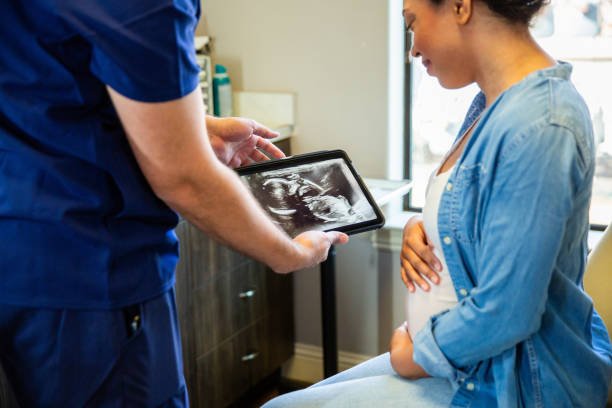
So, it is necessary to manage your blood sugar during pregnancy in order to protect your baby’s health.
How to Manage Gestational Diabetes
Even though it may resolve after pregnancy, what you do now matters for both your baby’s health and your future.
1. Follow a balanced diet
In order to manage it , try to spread your food into three main meals and two to three snacks a day to control blood sugar spikes. Also, when you eat carbohydrates, pair them with protein or healthy fats to slow down sugar absorption.
It’s also helpful to limit high-glycemic foods like white bread and sugary drinks, and focus on complex carbs such as oats, quinoa, and lentils.
Studies show that following a structured diet like this can reduce the need for medication and lead to better outcomes for both mother and baby
2. Check your blood sugar:
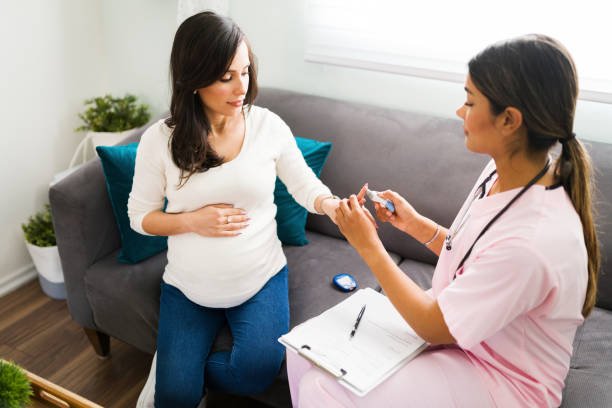
During pregnancy, you should keep an eye on your blood sugar regularly. Check your fasting levels, before meals, and one to two hours after eating, and note them in a log. This record helps your healthcare provider adjust your diet or medication if needed
3. Medications
If diet and activity changes aren’t enough to control your blood sugar, medication may be needed.
Insulin is usually the first choice, but in some cases, doctors may prescribe you with oral medicines like metformin under careful supervision.
4. Smart postpartum habits
After delivery, it’s important to keep up with healthy habits. You should check your blood sugar around 6–12 weeks to see if it has returned to normal. Stick to regular exercise and balanced meals as these work better than any extreme diets.
Do breastfeeding as this can help improve glucose metabolism and lower your risk of getting type 2 diabetes for both mother and baby.

Conclusion
Gestational diabetes usually goes away after pregnancy for most women. But it’s still important to take it seriously because it shows your blood sugar needs attention.
Taking the right steps during and after pregnancy helps protect your baby and reduces your chance of developing diabetes later.
At Kairos Integrative Care, Lola, one of our board-certified practitioners, works with you to combine functional medicine and medical treatments so you can feel in control.
We see patients in Houston, Sugar Land, Rosenberg, Richmond, and nearby areas (77046 & 77478). We accept most major insurance plans, including Blue Cross, Aetna, Ambetter, Cigna, and more.
If you can’t visit the clinic, telemedicine appointments are also available across Texas.