
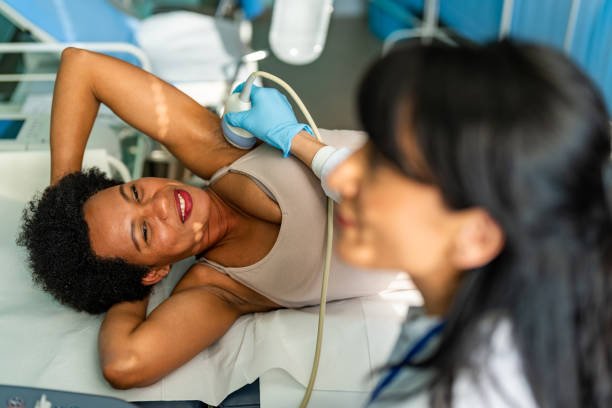
When it comes to breast cancer diagnosis, modern medicine now provides a series of personalized treatment options that can significantly improve your results.
It is best to be aware of treatment choices early, as this allows you to take control of your health and make informed decisions for your future.
Whether it’s stage 0 breast cancer, triple-negative breast cancer, or a more advanced form, understanding how your cancer can be treated is the first step in feeling empowered and prepared.
That’s why, at Kairos Care in Texas, we combine modern testing with personalized treatment plans. Our goal is to give care that reduces side effects and supports your overall well-being.
Breast Cancer Diagnosis
Breast cancer diagnosis is usually starts with discussing your symptoms with your healthcare provider, and a physical examination is done. If something unusual is found, imaging and further tests help confirm whether it’s cancer. Diagnosis involves the following steps:
1. Breast Exam
A clinical breast exam is usually the first step. During this examination, your healthcare professional looks for changes in your breast or nipple, such as dimpling, redness, or unusual discharge. They also feel for lumps in the breast, under the armpits, and along the collarbones. This hands-on check helps your provider detect anything that might require further investigation.

2. Screening Mammograms
A mammogram is an X-ray of the breast. It can spot small changes or lumps that you may not feel. Most women start regular mammograms at age 40. But if you have a family history or higher risk, they may begin earlier.
If anything unusual is seen, your doctor may order more tests to confirm what it is.
3. Diagnostic Mammogram
A diagnostic mammogram is used when your doctor wants a closer look at something specific in your breast. It’s not a routine check. It focuses on areas that may have shown unusual changes. This X-ray can give a clearer picture of your lumps or other irregularities.
Sometimes, a regular screening mammogram picks up shadows or spots that need more attention. The diagnostic mammogram focuses on those areas, helping your doctor understand exactly what’s happening. It can also guide the next steps, like whether a biopsy or additional imaging is needed.
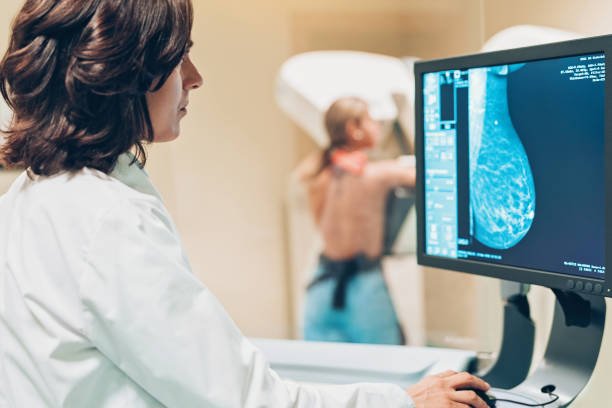
This test can feel a little different from a standard mammogram. You may be positioned in various ways to capture the area from different angles. The procedure is quick, and the results help your doctor make accurate recommendations.
4. Breast Ultrasound
Breast ultrasound uses sound waves to examine suspicious areas found on a mammogram. It is especially useful for distinguishing between solid tumors and fluid-filled cysts. Ultrasound is often used in younger women or those with dense breast tissue.
5. Biopsy
A biopsy is the clearest way to know if there’s cancer in your breast. During this test, a small piece of tissue is taken and looked at under a microscope to see if any cancer cells are present.
There are a few types:
- Core needle biopsy
- Fine-needle aspiration (FNA)
- Surgical biopsy
Your doctor will choose the type that’s best for you, depending on the size of the area. The whole process might feel a little different depending on the method. But it gives the most accurate answers about what’s going on.
6. Advanced Testing and Imaging for Breast Cancer Diagnosis
After a breast cancer diagnosis, your doctor may recommend extra tests to see if the cancer has spread, either within the breast or to other parts of the body. These tests help guide the next steps.
Some of the tests include:
- MRI scans
- CT or PET scans
- Bone scans
These tests are especially important for aggressive cancers, like triple-negative breast cancer, where closer monitoring is often needed.
Treatment for Breast Cancer
Most patients want to know their treatment options as soon as they can. Your provider will decide the treatment based on the type and stage of your breast cancer diagnosis. The following are the common treatments that are mostly used:
1. Surgery for Breast Cancer
Surgery is the most effective way to remove tumors and reduce the risk of cancer spreading. Some common types of operations include:
- Lumpectomy: This surgery removes the breast cancer along with a small amount of healthy tissue around it. The rest of the breast stays intact. It’s also called breast-conserving surgery or wide local excision. This is often followed by radiation therapy.
- Mastectomy: This removes all breast tissue from one breast. The most common type is a total mastectomy, also called a simple mastectomy. Some newer mastectomy procedures may leave the skin or nipple. For example, a skin-sparing mastectomy keeps most of the skin, and a nipple-sparing mastectomy keeps the nipple and surrounding areola. These options can help the breast look more natural after surgery, but they’re not suitable for everyone.
- Sentinel lymph node biopsy: This checks the first few lymph nodes near the breast to see if cancer has spread.
- Axillary lymph node dissection: If imaging tests show that cancer has reached the lymph nodes, this surgery removes many nodes from the armpit.
Which surgery is best depends on the tumor’s size, location, and whether cancer has reached the lymph nodes. Your doctor will guide you in making the choice that’s right for your situation.
2. Radiation Therapy
Radiation uses high-energy beams to kill any cancer cells left after surgery. It’s often done after a lumpectomy. This helps lower the risk of the cancer coming back.
Treatment is usually quick. It has side effects like tiredness, red skin, like a sunburn, or swollen breasts. These side effects usually improve with time. Your doctor will help you manage them.
3. Chemotherapy
Chemotherapy uses medicine to kill cancer cells throughout the body. Sometimes it’s given before surgery, called neoadjuvant therapy. This can shrink the tumor and make it easier to remove. Other times, it’s given after surgery, called adjuvant therapy, to lower the risk of cancer coming back.
Its side effects depend on the drugs used. The common ones include hair loss, nausea, vomiting, extreme tiredness, and a higher risk of infection. In some cases, it may cause early menopause or nerve problems.
4. Hormonal Therapy
Some breast cancers are hormone receptor-positive. This means they grow in response to estrogen or progesterone. Hormonal therapy blocks these hormones and slows the cancer’s growth.
It’s often used after surgery or other treatments.
Its side effects depend on the medicine you take. The common ones include hot flashes, night sweats, and vaginal dryness.
5. Immunotherapy
Immunotherapy helps your body’s immune system find and attack cancer cells. This therapy is used for special types of breast cancer, like triple-negative. Your doctor will recommend whether this therapy could work for you. At Kairos Health, we help patients at every step. We explain your options and support you through treatment.
How Does Treatment Differ by Breast Cancer Stage?
Stage 0 breast cancer is also called carcinoma in situ. This is the earliest stage. Its treatment is very effective, and usually surgery and sometimes radiation are done.
Stage I–III At these stages, tumors are larger and may involve nearby lymph nodes. Its treatment includes surgery, radiation, and sometimes chemotherapy or hormone therapy, depending on the type.
Triple-negative breast cancer is an aggressive form that can appear at any stage. Hormone therapy doesn’t work for this. So, chemotherapy and close monitoring are usually recommended.
Stage 4, also called metastatic breast cancer, has spread to other organs. Its treatment focuses on systemic therapies such as chemotherapy, hormone therapy, targeted therapy, and immunotherapy to slow the disease and manage symptoms.

Self-Examine Yourself Today
It is important to check yourself regularly. If you see signs like a new lump in your breast or under your arm, changes in the breast’s shape or skin, nipple discharge, or if your nipple turns inward, don’t ignore these.
Follow these self-exam tips:
- Stand in front of a mirror, arms at your sides. Then lift them up. Look for any changes in your breast shape or nipples.
- Lie down and use your fingers in small circles. Feel all of your breast, moving from the outside in toward the nipple.
- In the shower or standing, press gently and check your breast and armpit for any lumps or other unusual signs.
Do this every month. If something feels or looks different, see your doctor right away.
Conclusion
Breast cancer is serious, and paying attention to your body can save your life.
This October, join us in supporting breast cancer awareness. Team Kairos Health is walking and running at the Susan G. Komen Race for the Cure to raise funds for research and support for women everywhere.
At Kairos Integrative Care, Lola, one of our board-certified practitioners, works with patients to create practical plans from breast cancer diagnosis and screening to treatment.
We combine functional medicine with primary care in Houston, Sugar Land, and Richmond, Texas.
Major insurance plans like Blue Cross, Aetna, Ambetter, and Cigna are accepted. If you can’t make it to the clinic, telemedicine visits are available anywhere in Texas.