
Many people ignore acid reflux, thinking it is normal heartburn after a meal. But it can be a daily struggle for so many people, disrupting their quality of life. This continuous discomfort can lead to something more serious, such as Gastroesophageal Reflux Disease (GERD).
In this article, we’ll explain what acid reflux and GERD really are, what causes them, and, most importantly, how to get relief from them naturally.
What Is Acid Reflux and GERD?
Acid reflux happens when acid from your stomach flows back up into your esophagus. This usually happens because a small muscle at the bottom of your esophagus, called the LES lower esophageal sphincter, doesn’t close properly. When this keeps happening or starts causing pain and other extreme symptoms, it is called GERD.
GERD is a long-term condition where acid keeps coming back up, which can lead to irritation, discomfort. This can even damage the esophagus over time if you do not treat it properly.
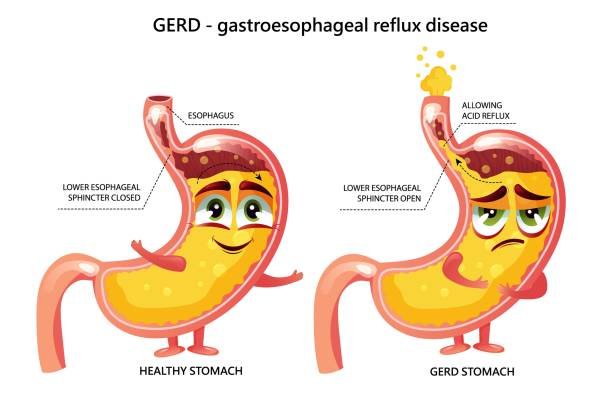
If you are experiencing reflux often, like several times a week, or your symptoms are strong and not going away, you can call it GERD. Acid reflux is a burning feeling after a meal, but GERD is the ongoing condition behind it.
Symptoms of Acid Reflux
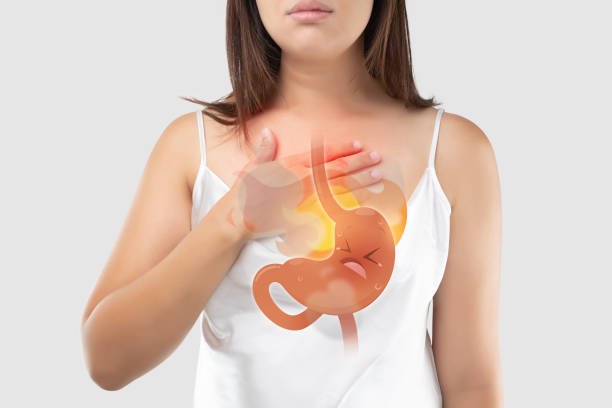
Heartburn is probably the most common sign, which is a burning feeling in your chest that usually shows up after eating or when you lie down. But here is the thing to note that acid reflux doesn’t always feel like heartburn. Some people may get a sour or bitter taste in their mouth, or feel like food is coming back to the mouth.
While others do not feel anything in their chest at all, but see problems in their throat, like a constant sore throat, hoarseness, a cough, or the feeling that there is a lump stuck in their throat.
There can be other little signs too, like feeling bloated, burping more than usual, having bad breath, and even nausea after meals.
Why Does Acid Reflux Happen?
The following are the factors that may cause acid reflux and disrupt your balance:
-
- A weak LES
There is a small muscle at the bottom of your esophagus called the Lower Esophageal Sphincter. It normally keeps acid in your stomach. But if it gets weak or does not close properly, acid can rise back up and cause that burning feeling. - Eating too much or too fast
Large meals or eating quickly can put pressure on your stomach. That pressure can push acid upward, leading to discomfort. You should eat your food slowly and in small portions. - Fat around your belly
The extra belly fat, especially around your midsection, puts pressure on your stomach. This makes it easier for acid to move up into your esophagus. This is the most common reason of acid reflux these days. - Pregnancy
Pregnant ladies experience more acid reflux. During pregnancy, hormones relax the LES, and the growing baby adds extra pressure on the stomach. That often leads to reflux, especially later in pregnancy. - Hiatal hernia
Hernia is commonly known as a hiatal hernia, which occurs when part of the stomach pushes through the diaphragm. This weakens your LES and is commonly found in people that has chronic GERD. - Smoking
Smoking can increase the chances of acid reflux as it weakens the LES and increases stomach acid. Both of these cause stronger reflux symptoms.
- A weak LES
What Helps Acid Reflux Fast?
At Kairos Integrative Care, we know how frustrating it can be when acid reflux shows up out of nowhere and you want to get relief fast.
Follow these:
You can start by taking an antacid. It is one of the quickest ways to calm the burning feeling in your chest. These are easy to find at any pharmacy and usually work within minutes.
Chewing gum can help, too. It makes you produce more saliva. This extra moisture sends the acid back into your stomach.
Some people get relief from mixing a little baking soda with water, just about half a teaspoon in a glass. It works like a natural antacid, but it’s not something you should do often. But we do not prefer this method as this can disrupt your balance and increase sodium levels.
Whenever you experience acid reflux, try changing your position. Sitting up straight, going for a short walk, or lying on your left side can ease the pressure on your stomach and send the acid back to the stomach.
What Can You Drink to Soothe Acid Reflux?
There are certain drinks that are known to calm the digestive system and reduce irritation, such as:
- Ginger tea is one of our go-to recommendations. Its natural anti-inflammatory properties make it great for calming the stomach.
- Chamomile tea is another gentle option. It can ease stress-related reflux, and coconut water is gentle and hydrating.
- Coconut water also works best. It is mild, hydrating, and easy on the stomach.
- Licorice root tea can protect the stomach lining. However, we always suggest using it cautiously, especially if you have high blood pressure.
It is best to avoid drinks that can trigger or worsen reflux, such as coffee, alcohol, carbonated drinks, citrus juices, and energy drinks.
Natural Remedies for GERD That Actually Work
At Kairos, we focus on long-term, natural solutions. It is now confirmed that natural remedies can do wonders for GERD, especially when your focus is on long-term gut healing.
You should go for a whole foods diet that is rich in fiber, low-acid vegetables, lean proteins, and healthy fats. This diet can reduce inflammation and promote digestion. Also, if you need support, we can provide you with a personalized meal plan that suits your needs.
It’s also a good idea to bring in probiotic-rich foods like yogurt, kefir, or fermented vegetables. These give your gut the kind of healthy bacteria it needs to function well.
Herbal remedies can offer gentle support. Slippery elm, marshmallow root, and aloe vera juice are known to soothe and protect the digestive tract without harsh side effects.
Stress plays a big role, too. You should do breathing exercises, yoga. These practices can help manage reflux for the long term, which is triggered by tension.
For those with a hiatal hernia, we recommend strengthening the diaphragm through breathing exercises, especially diaphragmatic breathing/. This may support the LES and reduce symptoms naturally.
Final Thoughts
Acid reflux and GERD may be common, but they don’t have to take over your life. With the right support and small daily shifts, like adjusting your meals, managing stress, and using natural remedies, you can feel better and protect your long-term health.
If symptoms are getting in the way of your daily life, Lola, one of our board-certified providers, can guide you with a personalized plan that is designed for your body.
We serve Houston, Sugar Land, and nearby areas (77046 & 77478) and accept most major insurance plans, including Aetna, Ambetter, UnitedHealthcare, and Tricare.
Book your appointment today!