
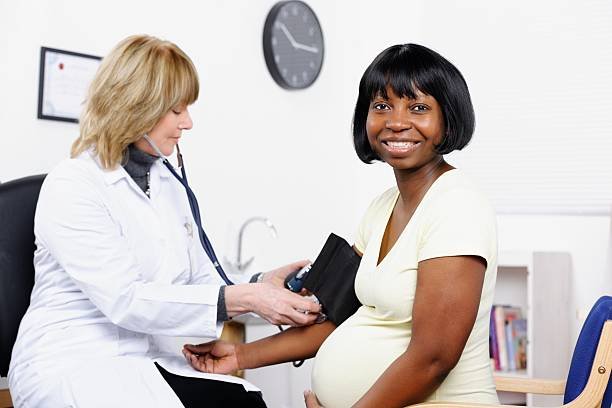
Pregnancy can be really unpredictable. New symptoms may emerge, and disorient you even when everything seems to be going smoothly.
One condition that often surprises expectant mothers is preeclampsia. It is a common but complicated disorder that impacts about 5-8% of pregnancies worldwide. It has been a major cause of maternal and infant morbidity. Because of its high occurrence, you are advised to regularly measure your blood pressure.
High blood pressure is mostly associated with preeclampsia by the majority of people. However, the reality is a bit more complicated. Sometimes preeclampsia occurs without high blood pressure and is referred to as normotensive preeclampsia. It may be dangerous to you and your baby.
If you live in Texas and are concerned about high blood pressure during pregnancy, our providers at Kairos Integrative Care are here to guide you.
What is Preeclampsia?
Preeclampsia is a pregnancy disease that normally occurs after 20 weeks of pregnancy. It affects several organs within your body, which include blood vessels, kidneys, liver, brain, and placenta. The disorder is fundamentally a placental disorder. It is mostly the reason behind premature deliveries in the USA.
In this condition, you may experience high blood pressure (hypertension), organ dysfunction, and protein in your urine (proteinuria). But some ladies can have symptoms or complications of the organs even before their blood pressure becomes very high.
It can develop during pregnancy or soon after giving birth. It can lead to several health complications if untreated. Your provider will monitor it regularly and recommend the right treatment.
Can You Have Preeclampsia Without High Blood Pressure?
Yes, it is possible to have preeclampsia without high blood pressure. However, it is quite rare and considered an atypical presentation.
The standard medical literature still lists high blood pressure as the major symptom in diagnosing preeclampsia. But clinical practice is not usually black and white. There exist some conditions where most women develop pre-eclampsia without high blood pressure.
One of the studies also indicated that a female who had multiple symptoms of preeclampsia in pregnancy did not show any symptoms of high blood pressure.
Atypical Preeclampsia: In this case, you can have such symptoms as intense headaches, eye problems, pain in the upper part of the abdomen, abnormal liver tests, low platelet count, and protein in the urine. Even if your blood pressure readings are normal.
HELLP Syndrome: This is a serious type of preeclampsia. Patients suffering from HELLP syndrome do not experience high blood pressure initially. Instead, they might be extremely tired, feel sick, and have abdominal pain.
Just because your blood pressure reads 120/80 doesn’t mean everything is okay. It can still be dangerous. That’s why it is crucial for a provider to take these atypical presentations seriously.
Causes of Preeclampsia
The exact cause of preeclampsia is unknown and is still being researched. However, the primary cause, according to most research, is the placenta. During the early stages of pregnancy, the placenta may fail to attach to the uterus and may fail to supply enough blood and nutrients to the baby.
In this case, the placenta releases signals that cause inflammation. Furthermore, it can also damage the blood vessels in the mother’s body.
This damage is what leads to the symptoms, even if you don’t have high blood pressure. For example, if the kidneys are affected, you might see protein in the urine. If it affects the liver, you get upper belly pain. If the brain is affected, you can get headaches or changes in vision.
Beside this, there are some less common causes of it, including:
- Autoimmune disorders
- Genetic factors
- Nutritional deficiency
- Hormonal imbalances
- Cardiovascular problems
- Older Age
Signs of Preeclampsia without High Blood Pressure
Preeclampsia does not show any signs or symptoms until you see your medical provider. However, high blood pressure and protein in pee are some of the earliest symptoms of preeclampsia.
You should trust your body as much as you trust the monitor. So if you end up asking, “Can you have preeclampsia without high blood pressure?” It means you already have symptoms that are bothering you.
If you have normal high blood pressure, the following symptoms are enough to call your provider immediately:
- Severe headaches
- Blurred vision
- Sudden swelling in the face or hands
- Pain under the ribs on the right side
- Vomiting late in pregnancy
- Shortness of breath
- Rapid weight gain
- Less urination
- Abnormal blood tests
If vomiting appears suddenly in your second or third trimester, not as a result of morning sickness, it can be a sign of liver involvement. It is highly wise to never ignore your symptoms just because your last blood pressure reading was normal.
What are the Risk Factors of Preeclampsia?
Preeclampsia may occur in all pregnancies. However, there are some factors that can predispose you. Some of the risks involve:
- First pregnancy
- History of preeclampsia
- Bearing more than one child (twins and so on).
- Chronic hypertension
- Kidney disease
- Autoimmune disorders
- Obesity
- Maternal age over 35
- Difficulties in previous pregnancies.
- Preexisting diabetes
- Polycystic ovary syndrome (PCOS).
- Sleep apnea
You may be at a higher risk of developing it if you have hypertension, expecting twins, have an autoimmune disorder, or have preeclampsia in a previous pregnancy.
Having preeclampsia risk factors doesn’t mean you will definitely get preeclampsia. However, if you have one or more risk factors, this can require prompt closer monitoring, early tests, and preventive strategies like low‑dose aspirin in some cases.
Also, there are some cases when a woman develops preeclampsia without any recognizable risk factors. That is why regular monitoring is very important for safety.
How is Preeclampsia Diagnosed?
Your doctor will combine a clinical examination, blood pressure checks, and the appropriate laboratory tests for proper diagnosis. If you have hypertension after 20 weeks of pregnancy and some other symptoms, you will be diagnosed with preeclampsia.
On the other hand, medical providers may still consider or declare the diagnosis of atypical preeclampsia in cases where your blood pressure is normal, but other warning signs or abnormal test results are present. Your provider may look for:
- Protein in urine
- Liver enzyme levels
- Platelet counts
- Kidney function markers
- Signs of fluid accumulation or swelling
Also, if a high blood pressure reading occurs during pregnancy, doctors usually take multiple readings before confirming hypertension. This is because many factors can affect blood pressure.
They may also recommend a fetal ultrasound and other tests to monitor the baby’s growth.
Treatment and Management Strategies
After a diagnosis of preeclampsia (including the atypical form), your treatment focuses on the safety of the mother and the baby.
The Main Cure is Delivery
The only definitive treatment for preeclampsia is delivery of the baby and placenta. But when your pregnancy is preterm, less than 37 weeks, your doctor will treat this condition by letting the baby grow and by monitoring the health of the mother.
Disease Management
If the condition is mild and stable, your provider may use expectant management for preeclampsia. This means:
- Strict Bed Rest is advised to minimize physical stress to help blood flow.
- Steroid injections are prescribed to help mature the baby’s lungs quickly in case early delivery becomes necessary.
- Magnesium Sulfate medication is given during delivery to prevent seizures.
Conclusion
Preeclampsia is one of the most important conditions to monitor during pregnancy. And yes, you can have it without high blood pressure. These atypical forms make diagnosis more difficult.
And they require clinicians to look at other warning signs, not just blood pressure.
At Kairos Integrative Care in Texas, Lola, one of our board-certified nurse practitioners, can help coordinate your care and create a health plan to keep you and your baby safe.
We accept major insurance plans, including Blue Cross, Aetna, Ambetter, Cigna, and more. New patients are always welcome, and if visiting the clinic isn’t possible, telemedicine appointments are available across the entire state of Texas.
If you are experiencing symptoms that concern you, schedule your consultation with Kairos today!