
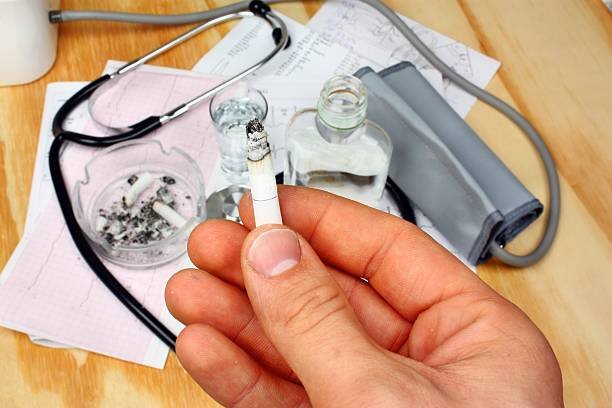
In the U.S, including Texas, tobacco use is still common. It has become a tradition for many to first try cigarettes as teenagers or young adults. And some continue for years without realizing its profound impact on their health.
Smoking is by far the largest preventable factor contributing to numerous serious diseases and is a key reason why nearly every organ gets affected.
What makes smoking really harmful is that its negative consequences often develop silently. Nicotine and other chemicals in cigarettes do not just damage your lungs. They put a strain on your heart and can eventually cause very serious problems. Consequently, a lot of people start wondering, ” Does smoking cause high blood pressure? “
The dangers of smoking feel distant to smokers, but the truth is that the harm actually starts with the very first cigarette, and with every pack of cigarettes, it keeps adding up.
It is important to understand the total risk that smoking poses to your health.
Smoking and Blood Pressure
Smoking and blood pressure are closely linked in several ways, some of which are immediate, and some of which are long- term. It raises your blood pressure instantly. It is generally understood that its effect is temporary. When you smoke, your body gets exposed to chemicals like nicotine and carbon monoxide, which are already very harmful.
Nicotine triggers the fight or flight system. It makes your heart pump faster and blood vessels constrict, but only temporarily. This very first raises your blood pressure.
The rise in blood pressure can only last for a short time, but it occurs again and again throughout the day in frequent smokers. This can result in the arteries becoming chronically stiff and less flexible. With time, this may lead to chronic hypertension.
Besides this, smoking is one of the risk factors associated with atherosclerosis. In this condition, your arteries become narrowed due to the buildup of fatty deposits called plaque. Such a blockage can impede blood flow, and if not treated, it can cause serious complications such as heart attacks and strokes. Hypertension will speed up this process of plaque deposition, thus forming a vicious circle.
Does Smoking Cause Chronic Hypertension?
It is not easy to simply explain the relationship between smoking and hypertension. But it becomes clearer when you understand the difference between a temporary rise in blood pressure and long-term hypertension. Smoking can raise blood pressure immediately. This is a temporary effect.
On the other hand, Hypertension means your blood pressure is consistently high over a period of time, even when you are at rest. Now, when it comes to whether smoking directly causes chronic hypertension, research findings are mixed.
Surprisingly, some research even found that current smokers may have lower chances of hypertension than non-smokers. Experts are not sure why this is the case. But one thought is that prolonged nicotine exposure changes how the body’s stress system can regulate blood pressure, hence masking the real blood pressure readings.
But this does not mean that smoking is safe. It is well known that the risk of hypertension continues to increase over time, and the reason is very simple. Continuous smoking causes your arteries to be less flexible and smaller in size, and thus leading to chronic hypertension.
Why Smoking Makes Blood Pressure Management Harder
High blood pressure in itself is difficult to control. But in case you smoke and have high blood pressure, it becomes even more complicated.
The nicotine causes an adrenaline rush, which may interfere with your blood pressure medications and make it difficult to keep your numbers.
At the same time, smoking damages your arteries and promotes plaque buildup, which stiffens vessels and reduces flexibility. Due to this, your blood pressure may fluctuate and become more difficult to manage, even if you are on medication or live a healthy lifestyle.
That’s why it’s so important to quit smoking and start living a healthier life.
Practical Steps to Reduce Blood Pressure for Smokers
Researchers have found that smokers tend to have higher or unpredictable blood pressure, which increases the risk of heart disease and stroke. It is also tested that quitting smoking can make a big difference in your blood pressure and reduce cardiovascular risks in the long run.
Below are some practical steps to manage your BP:
- The single most important step is to quit smoking. If necessary, get help, use nicotine replacement, or go for counseling.
- Check your BP regularly at home to catch spikes early
- Consume a variety of fruits and vegetables, whole grains, and lean proteins
- Limit the amount of salt and processed food
- Keep moving and do some moderate exercises for at least 30 minutes most days of the week. Walking, cycling, or swimming are all the best options.
- Try deep breathing, meditation, or yoga to reduce your stress.
- Alcohol and caffeine should be limited because they contribute to high blood pressure.
- Take medications consistently and don’t skip doses.
- Hydrate well, and have a good night’s sleep.
Regularly see your health care provider to monitor your health properly and get proper guidance. This is very important, particularly if you are in the process of quitting smoking or changing medications.
Conclusion
So, does smoking cause high blood pressure? The answer is yes. Both short-term and long-term effects of nicotine and other tobacco chemicals raise your blood pressure as well as cardiovascular risks.
Many vape manufacturers claim that vaping (e-cigarette) is a better choice in terms of health than smoking cigarettes. However, studies have revealed that e-cigarettes also raise blood pressure, as seen with regular cigarettes.
If you have been asking yourself, “Could my smoking be raising blood pressure? ” or “What can I do to lower the risk of hypertension? ” Kairos Integrative Care in Texas is ready to serve you. Lola, one of our integrative certified nurse practitioners, helps you take charge of your health with practical advice, education, and lifestyle tips.