Heart disease is still one of the top causes of illness around the globe. Heart disease does not start with a heart attack. It develops slowly through high blood pressure, unhealthy cholesterol levels, chronic inflammation, insulin resistance, and damage to blood vessels. What we eat influences each one of these pathways, sometimes much more powerfully than people realize. At Kairos Integrative Care, Texas, we highly recommend changing what’s on your plate can really change your health. But you must understand that everyone’s journey is unique. What works for one person might not work for another. That’s why we encourage people to listen to their bodies.
In this guide, we will show you step by step how to put together a heart-healthy diet, based on actual scientific findings and actions that work for your health.
Heart Disease and DASH Diet
One of the most studied dietary patterns for heart health is the DASH diet. The DASH diet stands for Dietary Approaches to Stop Hypertension. It was developed through NIH federally funded research to answer one question:
What makes DASH effective is that it addresses several cardiovascular health factors all at once, rather than just focusing on sodium intake.
Compared to other diets, which target a single macronutrient like carbs, fats, or calories, the DASH diet is more concerned with balance and nutritional density.
So, what does DASH actually include?
- Vegetables and fruits are key. They provide potassium, antioxidants, and fiber, which are all important for your health.
- Whole grains are also a big part of this diet. They offer soluble fiber and essential minerals that support overall well-being.
- You’ll find lean proteins like fish, poultry, beans, and nuts in DASH. These options are great for keeping your protein intake healthy without the extra saturated fats.
- Low-fat or fermented dairy products are also included, too. They help get enough calcium and can assist in regulating blood pressure.
In one study, in just 2–3 weeks, participants on a DASH diet had clinically meaningful reductions in systolic and diastolic blood pressure without significant weight loss.
This confirmed that a healthy diet itself can reduce cardiovascular risk.
Steps to Build Your Heart-Healthy Plate
1. Fill ½ of Your Plate with Vegetables & Fruits
Vegetables are essential due to their high contents of fiber, potassium, and magnesium, which are all associated with appropriate levels of blood pressure and cholesterol. Try to add two cups of vegetables and one cup of fruit per meal.
It is essential that you consider the fact that potatoes are not vegetables in the Healthy Eating Plate due to their higher effect on blood sugar.
Although you can eat potatoes in small amounts, you should not consider potatoes in place of non-starchy vegetables. There have been numerous studies that reveal how eating foods high in fruits and vegetables helps support good blood vessel function.
Best Picks for Your Plate
- Colorful berries, such as blueberries, strawberries, and raspberries. These are rich in antioxidants that could have a beneficial effect on blood vessels and circulation.
- Leafy vegetables like spinach, kale, and Swiss chard
- Cruciferous vegetables, such as broccoli, cauliflower, and cabbage. Studies link higher consumption of vegetables with reduced overall risk of heart disease and stroke.
- Potassium-rich fruits include bananas, kiwi fruit, and oranges. These help in balancing the sodium levels and maintaining good blood pressure.
2. Add One Quarter of Lean Protein
Protein is needed for energy metabolism, muscle function, and maintaining health, but protein sources are different.
Clinically recommended options include:
- Fatty fish such as salmon or sardines
- Skinless poultry
- Legumes like lentils and chickpeas
- Plant-based proteins such as tofu
You can go for either plant-based or animal-based protein. The perfect portion for your plate is approximately 3 to 4 ounces per plate.
3. Add One Quarter of Whole Grains to Your Plate
One of the commonly misunderstood types of food is carbohydrate. Carbohydrates can be useful if you consume them properly. Do you know, whole grains have the power to reduce your overall LDL cholesterol.
The best portion to consume is about ½ cup cooked grains or 1 slice whole-grain bread.
Clinically approved best examples of whole grains include
- Quinoa salad
- Oats and pot barley
- Brown rice bowl
- Oatmeal with berries for breakfast.
It is best to go for at least half a cup of cooked whole grains like brown rice, quinoa, barley, or whole-grain pasta, or one slice of whole-grain bread.
4. Add Small Amount of Heart-Healthy Fats
When you are building your heart-healthy plate, don’t forget to add some healthy fats. Fats can actually be good for your heart. Unsaturated fats play an important role in maintaining your good cholesterol, which in turn supports your cardiovascular health.
The best sources of fats include:
- Extra-virgin olive oil
- Avocados
- Nuts and seeds
But you need to be mindful of the portions of fat you are consuming. Add a tablespoon or two of olive oil, nuts, seeds, or an avocado to your meal to boost the flavors as well as the nutritional value. This is also supported by many studies that emphasize replacing saturated fats with unsaturated fats to reduce high levels of cholesterol in the blood.
5. Add Salt Mindfully to Your Plate
Salt can definitely enhance the flavor of any dish, and we are not asking to completely skip it. But consuming too much salt can be dangerous for you, especially if you are already dealing with high blood pressure.
Your minimum intake of sodium should be at least 1500mg per day. A study also demonstrated that people who reduced their daily sodium intake from 3,450 mg to 1500mg or less per day experienced a greater reduction in their Blood Pressure. It is highly recommended to follow a low-sodium DASH diet in order to get maximum health benefits.
Below are some useful tips you can follow to avoid salt:
- Try to cook your meals at home more often
- Adjust your taste buds by using garlic, ginger, and onion powder instead of salt
- Go for spices like paprika, cumin, turmeric, cinnamon, chili powder
- You can also use salt-free blends (herbs and spices)
- Make sure to rinse canned beans before use
- Always choose low-sodium products that are labeled as salt-free
These simple habits can reduce your salt intake while keeping your plate tasty and heart healthy.
Quick Meal Plan Example For Heart-Healthy Diet
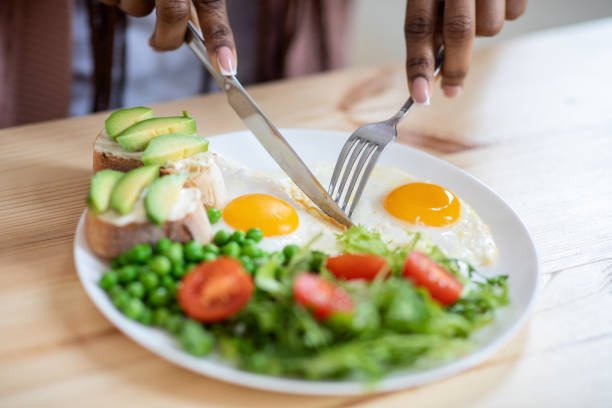
At Kairos Integrative Care, our goal is to help patients maintain a healthy lifestyle without relying on lots of medications. That is why we treat food as medicine and integrate dietary counseling into our routine primary care sessions. This is how your heart-healthy plate should look:
Breakfast Example:
- Half plate: Add Berries + sliced banana
- ¼ plate: Scrambled egg whites or Greek yogurt
- ¼ plate: Oatmeal with flaxseed
- Add a teaspoon of almond butter for healthy fat
Lunch Example:
- Half plate: Mixed greens, roasted bell peppers, cherry tomatoes
- ¼ plate: Grilled salmon (4 oz)
- ¼ plate: Quinoa (½ cup cooked)
- A small amount of olive oil and a sprinkle of pumpkin seeds
- Fresh slices of orange as dessert

Practical Tips for Patients
- The 9-inch plate works best when you are visualizing your portions
- Fill half your plate with colorful vegetables and fruits first, then add protein and grains.
- Track your daily fiber and potassium intake
- Eat only heart-healthy fats such as nuts, hummus, or avocado toast.
These small regular habits are way more better than following occasional extreme diets.
Conclusion
Building a heart-healthy plate is very easy and requires repeatable steps followed by the right portion of fruits and veggies, proteins, and grains. Your healthy diet will only work best when integrated into your overall health plan.
At Kairos, Lola, one of our board-certified integrative nurse practitioners, looks at your lab results, blood pressure trends, and lifestyle habits to create your personalized meal plan. We provide meal counseling and nutrition guidance to help you stay on track with your health.
The good news is that most of the health visits, labs, and follow-ups for nutrition counseling are covered by insurance, especially for conditions like hypertension, high cholesterol, or prediabetes.
We see patients in Houston, Sugar Land, Richmond, and nearby areas (77046 & 77478) and accept major insurance plans, including Blue Cross, Aetna, Ambetter, Cigna, and more.
New patients are always welcome, and if visiting the clinic isn’t possible, telemedicine appointments are available across the entire state of Texas.
Book your appointment today!