

As your kids head back to school, you want to set routines that keep them healthy. But between rushed mornings, homework, and after-school activities, it’s not always easy.
What if staying healthy didn’t mean big changes, just simple habits, practiced day by day?
The meals you serve. The snacks you pack. The little routines around sleep, play, and even screen time. These choices may seem small, but together they shape your child’s focus and immune system.
Healthy doesn’t mean complicated. Kids can still enjoy mac & cheese, pizza, or chicken fingers. With a few changes in their diet, you’ll feel good about what’s on their plate, and they’ll love the taste.
In this article, we’ll share a simple kids’ meal plan along with wellness tips that actually work. This is a guide that you can use every day. Save this now.
What is Clean Eating and Why Does It Matter for Kids?
Clean eating sounds like a trendy phrase. But at its core, it’s actually very simple. It means choosing real, minimally processed foods over packaged ones. For kids, this is especially very important.
Every day, children are surrounded by junk food. It’s on TV commercials and even in some school lunches. In every grocery aisle, nearly everything marketed to kids, like cereals or snacks, has hidden sugars or artificial ingredients. Clean eating helps break that cycle by focusing on foods that truly nourish your growing bodies.
Clean eating is all about building meals around whole foods, like fresh fruits, vegetables, whole grains, lean proteins, and healthy fats. So, your kids get the vitamins and minerals they need for the day.
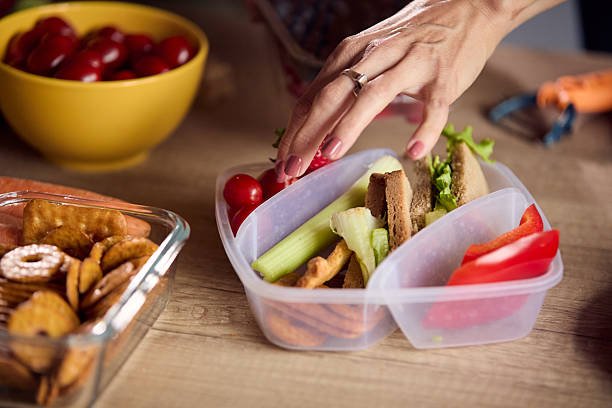
1. A 7-Day Clean Kids’ Meal Plan
Following is a quick 7-day meal plan that helps you stop worrying about what to feed your kids every day. It’s a cheat sheet that is loaded with so many health benefits.
Breakfasts
- Day 1: Oatmeal with blueberries, flaxseeds, and a drizzle of honey
- Day 2: Scrambled eggs with spinach and whole-grain toast
- Day 3: Smoothie with banana, almond butter, spinach, and chia seeds
- Day 4: Greek yogurt with strawberries and pumpkin seeds
- Day 5: Overnight oats with apple slices and cinnamon
- Day 6: Whole-grain waffles topped with almond butter
- Day 7: Veggie omelet with peppers and mushrooms
Lunches
- Whole-grain wrap with chicken, avocado, and cucumbers
- Lentil soup with carrots and whole-grain bread
- Turkey and spinach sandwich with apple slices
- Hummus with pita, cherry tomatoes, and sliced peppers
- Brown rice bowl with beans, corn, and roasted veggies
- Grilled salmon with broccoli and quinoa
- Homemade veggie burger with baked sweet potato fries
Snacks
- Carrot and celery sticks with hummus
- Apple slices with almond butter
- Trail mix (pumpkin seeds, walnuts, dried cranberries)
- Yogurt with granola
- Hard-boiled egg with cucumber slices
- Popcorn (air-popped)
- Cottage cheese with pineapple
Dinners
- Grilled chicken with roasted sweet potatoes and broccoli
- Baked salmon with quinoa and green beans
- Turkey chili with beans and whole-grain cornbread
- Veggie stir-fry with tofu and brown rice
- Whole-wheat spaghetti with turkey meatballs and salad
- Homemade chicken soup with veggies
- Stuffed bell peppers with lean ground turkey and brown rice
If you want the recipes for these meals, you can reach out to us. We’ll happily share them with you. Follow this meal plan to give your kids better focus and a natural boost to their immunity.
2. Focus on Your Child’s Nourishment
Did you know that about 17% of kids and teens (ages 2 to 19) in the U.S. are obese? Nutrition plays a big role here. On average, your kids need around 1,600–2,200 calories a day. But it’s not just about calories. The quality of food matters most.
School can put pressure on both the child and the parents. As parents, we often fall into quick fixes like packaged snacks or sugary drinks. But these can hurt our kids’ health. At Kairos Health in Texas, we remind parents that even small changes in daily meals can really help kids to stay focused and healthy in the long run.
Try to:
- Minimize sugary snacks and sweetened beverages
- Offer meals made with fresh foods like dairy, fruits, protein, vegetables, and whole grains
- Provide nutritious snacks like fruits, nuts, and yogurt

3. Follow the 5-2-1-0 rule
This is an easy formula to keep your child healthy and active. These easy steps go a long way in building your kids’ lifelong habits.
- 5 servings of fruits and vegetables each day
- 2 hours or less of screen time
- 1 hour of physical activity
- 0 sugar-sweetened drinks
4. Remind Your Kid to Stay Hydrated
Your kids get busy at school and often forget to drink enough water. Even mild dehydration can cause headaches and poor focus in class.
Instead of sugary drinks, make water the go-to. Infused water with fruit slices or unsweetened herbal teas can add variety without the extra sugar.
A few easy tips to help:
- Send your child to school with a fun, reusable water bottle. Kids are more likely to drink if they like their bottle.
- Remind them to take small sips throughout the day, not just when they feel thirsty.
- Follow a routine of a glass of water before school, one at lunch, and one right after school.
5. Be Mindful of Products You Use
Kids’ skin is delicate and absorbs more than adult skin. That means what you put on their body matters.
Many soaps, shampoos, lotions, and even sunscreens contain harsh chemicals that can irritate skin or affect hormones. To keep things safer, you need to look for products labeled fragrance-free, paraben-free, and dye-free.
6. Have Conversations
The start of a new school year can bring up a lot of worries for kids. Spare some time from your busy routine and talk to them openly. Ask how they’re feeling and remind them it’s normal to feel nervous. Sometimes, the anticipation is harder than the first day itself.
7. Make Sleep a Priority
Summer often throws kids off their schedule, and suddenly, school mornings feel really tough. Start easing back into a school bedtime a couple of weeks before classes begin. It makes the transition much smoother for your kid.
Your school-aged children need around 8–10 hours of sleep each night to feel active and function their best.
A few tips that help:
- Keep your bedroom dark and quiet so it feels restful.
- You can give a light snack before, but avoid any caffeine
- Give your child a book to read before bed
- Limit screen time at least an hour before bed and keep devices out of the room.
- Try using a dim red night light for natural melatonin release, unlike blue light, which can keep your kids wired.
8. Notice the Red Flags in their Behavior
Kids don’t always say what’s wrong, but you’ll see it in how they act. If your kid is pulling back from friends or is not interested in things they used to enjoy, that’s your sign to talk to them and guide them.
And then there are the extreme signs like reckless choices, substance use, self-harm, or even talking about death. If you see these, don’t wait. Step in and get help if needed.
9. Be a Real Partner in Their Education
If you talk with your child about what they like and don’t like at school, their teachers, strengths, and challenges, you’ll understand them so much better. Talk to their teachers and counselors, especially if your family is going through changes like a divorce or loss.
Also, putting simple things like a note in their lunchbox or a photo from home can give them comfort and remind them you’re always there for them.
10. Your Child’s Health Comes First
Don’t Ignore Your Child’s Health. Regular checkups help catch concerns like vision or hearing problems, asthma, allergies, and even early signs of anxiety or depression.
If you see any red flags such as ongoing fatigue, frequent stomachaches, sudden changes in appetite, or mood swings, talk to your pediatrician. Early care not only prevents complications but also helps your child stay healthy and ready to learn more.
Bottom Line
You can’t let your child go without the vitamins and minerals they need. Back-to-school season is the perfect time to set up healthier routines. By following a simple day-to-day kids meal plan with clean meals, you can help your child grow healthily.
If your pediatrician feels your child isn’t meeting their nutrition needs, consider a quality multivitamin without sugar or gummy additives.
At Kairos, Lola, one of our board-certified practitioners, combines functional medicine with primary care in Houston, Sugar Land, and Richmond, Texas. She works closely with families to make sure kids get the right nutrition for long-term health.
We accept major insurance plans like Blue Cross, Aetna, Ambetter, and Cigna. Telemedicine visits are also available across Texas for your convenience.