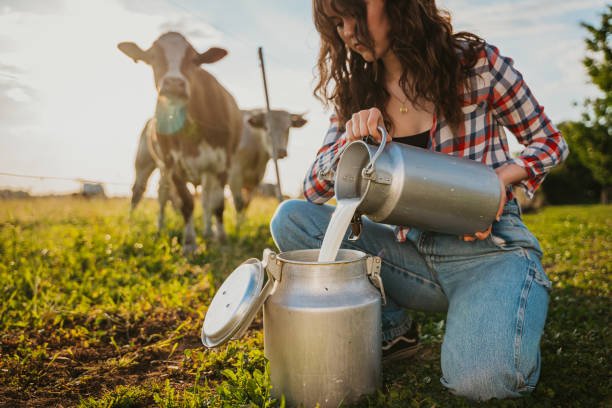
Raw milk is getting a lot of attention again in Texas. People in Houston, Sugar Land, Austin, and even up in Dallas are talking about whether unpasteurized milk is worth the hype. Some say it helps their digestion, skin, allergies, or nutrient absorption. Others worry about the safety risks and the chance of getting sick.
Because of this, the conversation around raw milk keeps growing. Many Texans are curious, but there’s still plenty of confusion about what’s true and what isn’t.
While some claim raw milk has special health benefits, but public health groups like the FDA and CDC continue to warn about the risk of harmful bacteria if the milk isn’t processed properly.
In this article, we’ll break down what raw milk really is, why it’s so popular, what the research says, and how to make informed choices for you and your family.
What is Raw Milk?
Raw milk is milk that hasn’t been heated or processed. It comes straight from cows, goats, or sheep without pasteurization, which is the key step that kills harmful bacteria.
It is also not homogenized, so the cream and fat stay in their natural form.
Nutrient-wise, raw milk and pasteurized milk are mostly the same. Both contain the same vitamins, minerals, lactose, and proteins. The main difference is safety. Pasteurized milk is widely available and safe for most people. Raw milk, however, is often chosen for taste and the belief in raw milk benefits, even though many of those benefits are still not fully proven.
Raw Milk in Texas: Is it Legal?
Yes, you can buy raw milk in Texas, but only in certain ways. In Texas, raw milk is legal, but you can not buy it directly from a grocery store.
You are only allowed to buy it directly from a licensed farm. That rule is in place to reduce the risk of food contamination and keep buyers safe.
If you live near Houston, Sugar Land, or Pearland, there are farms within about 1–2 hours that offer raw milk pickups. Just make sure the farm is licensed before you buy.
Raw Milk Health Risks
The biggest concern with raw milk is the germs that can get into it long before it ever reaches your fridge. Because the milk is not heated or pasteurized, any bacteria picked up during milking, storage, or transport can stay alive. These include Salmonella, E. coli, Listeria, and Campylobacter, all of which can cause serious stomach and intestinal infections.
If your milk contains dangerous bacteria, it can lead to:
- Vomiting
- Diarrhea
- Fever
- Blood in the stool
Most people recover at home, but severe cases can lead to complications like reactive arthritis, organ damage, blood infections, or, in rare cases, death.
One study found that people who drink raw cow’s milk are almost 100 times more likely to get sick from a foodborne illness compared to people who drink pasteurized milk.
The FDA and CDC also warn the public that these germs are the exact ones pasteurization kills.
Even farms that do everything right can’t guarantee raw milk that is free from dangerous pathogens. It’s just too easy for bacteria to get in.
Benefits of Unpasteurized (Raw) Milk
1. It has Naturally Occurring Probiotics
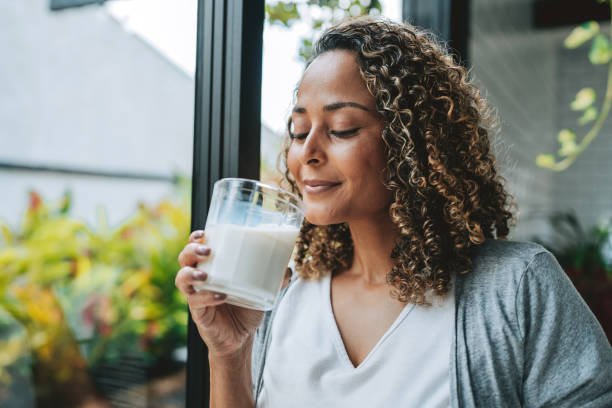
Raw milk naturally contains live, good bacteria that can help keep your gut healthy. Pasteurization heats the milk and kills both harmful and helpful bacteria, which is why some people feel they digest raw milk more easily.
It also has enzymes like lactase and proteins such as lactoferrin that may support digestion and the immune system.
According to the Raw Milk Institute, beneficial bacteria like Lactobacillus and Pediococcus are present in raw milk but are destroyed during pasteurization.
2. It is Rich in Bioavailable Minerals
Drinking raw milk can give you more easily absorbed minerals like calcium, magnesium, phosphorus, and potassium.
These nutrients give you strong bones and healthy nerves. Because raw milk keeps the natural cofactors intact, your body can use these minerals more effectively as compared to pasteurized milk.
3. It has a Better Fat Profile & Omega Balance
Raw milk can give you more omega-3s, CLA (conjugated linoleic acid), and fat-soluble vitamins like A, D, E, and K. These nutrients help you in hormone balance and keep your inflammation in check.
Unpasteurized milk also contains natural enzymes that make it easier for your body to digest fats and proteins, so you get more out of what you drink.
But you must know that many of the raw milk benefits are claimed by its supporters and not fully proven in large, strict studies.
Who Should Avoid Raw Milk?
Even milk from a clean, reputable farm can still carry harmful bacteria that pasteurization normally removes. That’s why some people should avoid raw milk completely. At Kairos Health, we recommend skipping raw milk if you are:
- Pregnant
- Immunocompromised
- Dealing with a chronic infection
- Recovering from a recent gut illness
- A child with a weaker immune system
How to Choose High-Quality Raw Milk Safely?
If you choose to drink raw milk, follow these guidelines:
- Buy only from licensed dairies
- Look for farms with transparent testing reports
- Choose milk from grass-fed cows only
- Keep milk refrigerated at or below 38°F
- Smell & inspect before drinking
- Make sure to drink within 5–7 days
Myths People Still Believe
Myth 1: Raw Milk Cures Allergies or Asthma
Fact: Some people think raw milk can prevent or cure allergies and asthma, especially in children. A few studies have observed that kids who grew up on farms and drank raw milk had slightly lower rates of asthma or allergies.
That doesn’t mean raw milk is the reason. Other factors, like living on a farm, being exposed to animals, and genetics, likely play a bigger role.
It’s also important to remember that environment matters. A child growing up in a city with more air pollution may have different risks than a child growing up on a farm, even if both drink milk.
Myth 2: Raw Milk Kills Harmful Bacteria
Fact: You have probably heard that raw milk can naturally fight germs. That’s not true.
Raw milk does contain some antimicrobial compounds, but it cannot reliably kill dangerous bacteria like E. coli, Salmonella, or Listeria. Even small amounts of these germs can make you very sick.
Myth 3: Pasteurization Destroys All Nutrients in Milk
Fact: This is another false belief that circulates about milk. Some people believe that heating milk kills all the good nutrients. But in reality, pasteurization can reduce a few heat-sensitive compounds. Most vitamins and minerals stay intact.
This process makes milk much safer by killing harmful bacteria. The CDC clearly says pasteurization is the only reliable way to protect against germs like E. coli and Listeria.
Final Thoughts
Raw milk can offer some nutrients and probiotics, but it carries real risks from harmful bacteria. It’s not a miracle food, and safety should always come first.
At Kairos Integrative Care in Sugar Land, Richmond, TX, Lola, one of our board-certified nurse practitioners, works with you to make informed choices about milk and overall nutrition.
We focus on supporting your gut and overall health through food sensitivity testing, gut microbiome analysis, lactose intolerance assessment, nutrition guidance, GI repair protocols, and immune balance programs.
We accept most major insurance plans, and telemedicine visits are available across Texas.
Book your appointment with Kairos today!