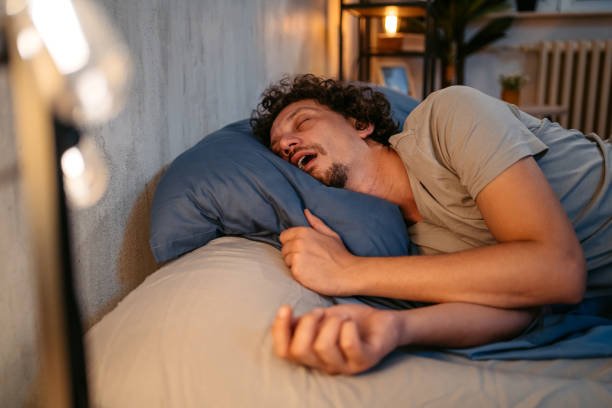
Here in Houston and Sugar Land, TX, many adults deal with sleep apnea, but most treat it using only CPAP machines or snoring remedies. What if the problem is not just your airway but your gut?
Sleep disorders are common and costly. According to the Institute of Medicine, about 50–70 million Americans have a sleep disorder. Globally, sleep problems create a huge economic burden. The International Classification of Sleep Disorders (ICSD-2) identified 81 types of sleep disorders in humans.
Now, research is showing a strong link between sleep and gut health. In this article, let’s explore how sleep apnea and gut health are interconnected.
The Gut–Sleep Connection
Research increasingly shows that your gut and sleep are closely linked. Your gut and brain communicate constantly through the gut-brain axis, a network of nerves and microbial compounds.
This two-way connection means that when your gut is healthy, your sleep tends to be better, and when your sleep is good, your gut benefits too.
Studies have found that people with more beneficial bacteria often have better sleep. On the other hand, people with obstructive sleep apnea (OSA) frequently have gut imbalances. They tend to have fewer good microbes, more harmful ones, and a weakened gut barrier. These changes can make sleep problems worse and contribute to metabolic issues.
When your gut is out of balance:
- Inflammation rises, which can affect breathing and oxygen flow during sleep.
- Gut-related inflammation from dysbiosis can worsen the systemic inflammation that is already associated with sleep apnea.
- Weight regulation can be disrupted, increasing the risk of obesity, which is a major factor in sleep apnea.
Even small changes to your sleep, like staying up later on weekends, can affect your gut. One study of nearly 1,000 adults found that a 90-minute shift in sleep timing changed gut bacteria composition.
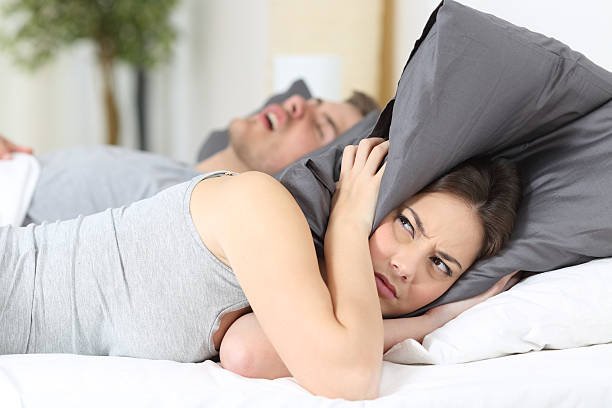
Could Your Gut Be Behind Your Snoring?
Yes, your gut could be part of the reason you snore. When your gut bacteria are out of balance, a problem called gut dysbiosis, it can cause inflammation in your body.
Inflammation can affect your throat and airways, making them tighter and more likely to vibrate when you breathe, which leads to snoring.
Poor gut health can also mess with your hormones and nervous system, which can disturb your sleep and even play a role in sleep apnea.
Studies show that people who snore or have sleep apnea often have fewer good gut bacteria and more of the harmful, inflammatory ones.
So, your snoring might not just be about your nose or weight; your gut could be part of the story, too. A healthier gut can mean less inflammation and easier breathing at night.
Metabolic Health, Obesity & Sleep Apnea
Sleep apnea often goes hand in hand with metabolic problems. When your metabolism is out of sync, from insulin resistance to poor gut health, it can change how your body breathes at night.
People with metabolic imbalances often have disrupted nervous system activity while they sleep. Their brain doesn’t send steady signals to the throat muscles, which makes the airway collapse more easily. That’s why they wake up gasping or feel tired even after a full night’s sleep.
A 2024 study found that insulin resistance, even in people who aren’t overweight, can weaken the muscles that keep the airway open.
In functional medicine, improving your gut health and metabolic health are key steps to treating sleep apnea and related conditions like high blood sugar and high blood pressure.
Functional Ways to Support Your Gut for Better Sleep
Your gut microbes directly influence your sleep hormones like serotonin and melatonin through the gut–brain axis. So, it is very important to support your gut naturally for better sleep, such as:
- Eat fiber-rich foods like vegetables, fruits, legumes, whole grains, oats, flaxseeds, and chia seeds to feed beneficial gut bacteria. Add a spoonful of ground flax or chia to your evening smoothie or yogurt.
- Include fermented foods such as kefir, kimchi, sauerkraut, miso, or unsweetened yogurt to improve your microbiome diversity.
- Replace your late-night desserts with herbal tea or a kiwi, which promotes serotonin.
- Drink chamomile, dandelion, or lemon water, and include detox-friendly foods like beets, garlic, and leafy greens to reduce inflammation.
- Finish dinner at least 2–3 hours before bedtime, and if hungry later, choose light snacks like a banana or a handful of almonds.
- Include magnesium-rich foods such as spinach, pumpkin seeds, or avocado, or take magnesium glycinate/citrate under guidance to relax your muscles.
- Try natural remedies like ginger tea, slippery elm tea, or warm chamomile to soothe your gut lining before bed.
- Limit caffeine, alcohol, and carbonated drinks in the evening as these can disrupt your sleep.
Bottom Line
If you suspect you have sleep apnea, the sooner you consult a sleep specialist, the better. While loud snoring, choking, or gasping during sleep are the most common signs, it can be hard to see these symptoms if you sleep alone.
At Kairos Care in Sugar Land and Houston, Lola, one of our board-certified nurse practitioners, takes a holistic approach to gut repair, metabolic health, and better sleep. We see patients from Houston, Sugar Land, Richmond, and nearby areas (77046 & 77478), and accept major insurance plans including Blue Cross, Aetna, Ambetter, Cigna, and more.
New patients are always welcome, and telemedicine appointments are available across Texas.
Book your appointment with us today!