
High blood pressure is also called hypertension. It is a common condition that can affect anyone, from children to older adults. Many people wonder what causes high blood pressure, since it often develops quietly without any obvious signs. That is why paying attention to your body is so important.
Blood pressure is measured in millimeters of mercury (mm Hg). Usually, a reading of 130/80 mm Hg or above is seen as high blood pressure. It can cause serious health problems such as heart attacks or strokes.
At Kairos Integrative Care, serving in Houston, Sugar Land, and Rosenberg, Texas, we focus on your unique needs. Using a mix of functional medicine and primary care, we help you manage blood pressure safely and effectively.
What Causes High Blood Pressure?
High blood pressure is very common, especially as we get older. Often, there are no obvious symptoms, so many people don’t realize they have it.
You may be more likely to develop high blood pressure if you have any of the following risk factors:
- Your Age: You’re more likely to get it as you get older.
- Family history: If close relatives have high blood pressure, your risk is higher.
- Ethnic background: People of Black African, Black Caribbean, or South Asian descent have a higher chance.
- Diet: Eating too much salt or processed foods can raise your blood pressure.
- Weight: If you are overweight, especially around the belly, this fat puts extra strain on your heart and blood vessels.
- Poor Lifestyle: Smoking, drinking too much alcohol, chronic stress, poor sleep, or being inactive can all cause high BP.
- Your Environment: Noise, pollution, and stressful surroundings can also cause High blood pressure.
- Your Medical conditions: Diabetes, kidney disease, and sleep problems can increase your risk.
- Sleep apnea: Repeated pauses in breathing at night stress your heart and raise blood pressure. Treating it with CPAP, weight management, or other therapies can help improve blood pressure and overall health.
- Your Medications: Some prescription drugs, like corticosteroids or certain decongestants, can raise your blood pressure.
- Postpartum changes: High blood pressure can develop after giving birth due to fluid retention and hormonal shifts.
We use functional medicine to look at what’s really causing your high blood pressure. Often, hidden issues like inflammation, insulin resistance, or hormone imbalances can be the reason.
Signs and Symptoms of High Blood Pressure
Most people with high blood pressure do not see any symptoms, even if their readings are dangerously high. Understanding what causes high blood pressure can help you take preventive steps before problems arise. It is possible to have high blood pressure for years without feeling anything. That’s why we call high blood pressure a silent killer.
You may experience the following signs:
- Headaches that commonly occur in your temples, back of your head, or behind your eyes
- Diziness
- Fatigue and Low energy
- Nosebleeds
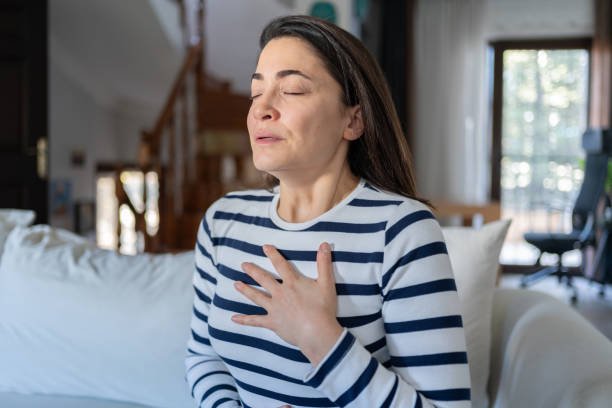
- You are unable to breathe
- Irregular heartbeat or palpitations
- Swelling in the ankles or feet due to fluid retention
Symptoms that require immediate care:
- Pain radiating to your arm, neck, or jaw
- You have sudden chest pain
- Nausea or overwhelming fatigue
However, these symptoms are not specific to high blood pressure and usually don’t appear until it has reached a severe or life-threatening stage. You should be aware of these signs and get regular blood pressure checks. This can help protect your heart and overall health.
What Happens If Your Blood Pressure Is Too High?
If your blood pressure remains high and you don’t manage it, it can cause serious problems such as:
- Heart and blood vessels: High blood pressure makes the heart work harder, which can cause an enlarged heart, heart failure, or coronary artery disease. It can also damage your inner walls of blood vessels, making them more likely to develop atherosclerosis, which increases the risk of heart attack and stroke.
- Kidneys and metabolism: Hypertension can affect your kidneys too, and it may worsen your insulin resistance, raising the risk of complications from type 2 diabetes.
- Brain and nervous system: It also affects your brain health. It increases the chance of stroke, aneurysms, and concentration or memory problems.
- Eyes: High blood pressure in the eyes can damage your tiny blood vessels, leading to hypertensive retinopathy, which may cause vision changes or permanent damage if untreated.
Ways to Lower Blood Pressure
With simple lifestyle changes and guidance from your healthcare provider, you can keep your blood pressure in check and protect your heart, kidneys, and overall health.
1. Focus on a Healthy Diet
Focus on whole, unprocessed foods and cut back on salt. Add potassium-rich foods like bananas, spinach, sweet potatoes, and beans. Healthy fats from olive oil, nuts, and fish also support your heart. Plans like the DASH or Mediterranean diet can make a real difference in lowering blood pressure.
2. Stay Active
Daily exercise, even a 30-minute walk, can improve your blood circulation. This also helps you to manage your weight, which eases pressure on your arteries.
3. Manage Stress
Stress can quietly raise blood pressure over time. Try deep breathing, meditation, yoga, or journaling. Even small breaks during the day or a walk outside can make a big difference.
4. Maintain a Healthy Weight
You must keep your weight in a healthy range to reduce strain on your heart and blood vessels. Losing just 5–10% of your body weight can lower blood pressure significantly.
5. Get Better Sleep
Sleep is more important than many realize. Poor sleep, including sleep disorders like sleep apnea, can affect your blood pressure. Aim for 7–9 hours of restful sleep each night.
6. Use Magnesium
Magnesium helps relax your blood vessels and supports normal blood pressure. You can get it from foods like spinach, pumpkin seeds, almonds, or take a magnesium supplement if your doctor approves.
7. Consider Other Supplements Carefully
Some supplements, like omega-3 fatty acids or coenzyme Q10, may support your healthy blood pressure. However, always check with your doctor before starting anything new.
8. Monitor Hidden Health Problems
Some health issues can quietly affect your blood pressure over time, like chronic inflammation, sedentary habits, high-stress hormones, or environmental factors like noise and pollution. Being aware of these risks helps you take proactive steps to protect your heart.
Home Remedies for High Blood Pressure
You can use the following easy home remedies for lowering your blood pressure:
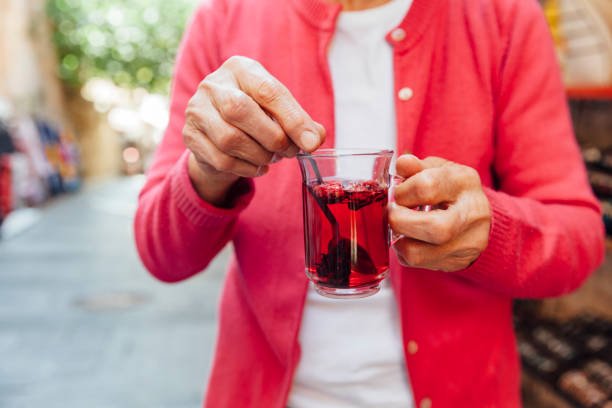
- Hibiscus Tea: Hibiscus tea can lower your blood pressure. To make it, steep 1–2 teaspoons of dried hibiscus petals in hot water for 5–10 minutes and enjoy once or twice a day.
- Garlic: Garlic supports healthy blood vessels and improves circulation. You can eat 1–2 cloves raw daily or add it to cooked meals to get its heart benefits.
- Dark Chocolate (small amounts): Dark chocolate can improve circulation and slightly reduce blood pressure. Choose chocolate with at least 70% cocoa and eat 20–30 grams daily, avoiding sugary or highly processed options.
- Omega-3 Fatty Acids: Omega-3s reduce inflammation and support your heart health. Include fatty fish like salmon or sardines 2–3 times a week, or sprinkle chia or flaxseeds over yogurt, oatmeal, or salads.
- Green Tea: Green tea is rich in antioxidants that help maintain healthy blood pressure. Brew 1–2 cups daily, steeping the leaves for 3–5 minutes, and enjoy warm.
- Beetroot Juice: Beetroot juice can help relax blood vessels and improve circulation. Blend fresh beetroot into juice or smoothies and drink one glass daily for best results.
- Pomegranate: Pomegranate is packed with antioxidants that support heart health. You can eat fresh seeds or drink 100–150 ml of pure pomegranate juice each day.
How to Reduce High Blood Pressure Immediately
If your blood pressure spikes, there are a few steps you can take to help bring it down quickly.
- Find a quiet place to sit
- Practice deep, slow breathing for 5–10 minutes to help calm your body.
- Drink water to stay hydrated
- Avoid caffeine or alcohol during this time, as they can raise blood pressure.
- Try to relax and reduce stress by listening to calming music or practicing mindfulness.
If your readings are extremely high, such as 180/120 mmHg, you require immediate medical attention.
Can medication like prednisone cause high blood pressure?
Yes, medications like prednisone can raise your blood pressure. Prednisone is a corticosteroid used to treat inflammation or allergies. It can cause the body to retain salt and water. This extra fluid puts more strain on the heart and blood vessels, which can increase your blood pressure.
If you are taking prednisone, it’s important to monitor your blood pressure regularly. Your healthcare provider can help manage any increases and suggest strategies to keep your heart and blood pressure safe.
High Blood Pressure After Giving Birth
High blood pressure can sometimes appear after giving birth, even if you didn’t have it during pregnancy. It may happen if you had gestational hypertension or preeclampsia, or it could develop for the first time postpartum.
Some women experience postpartum preeclampsia within six weeks after childbirth and can look similar to preeclampsia during pregnancy. Its symptoms include high blood pressure and protein in the urine.
Studies show that about 3% of individuals develop new-onset hypertension between 3 and 12 months postpartum.
Watch for warning signs such as severe headaches, blurred vision, pain under the ribs, nausea, shortness of breath, or reduced urination. Because high blood pressure can be dangerous, it’s important to monitor it regularly after delivery.

Conclusion
High blood pressure is a common but serious condition that can quietly affect your heart and overall health. It can make you tired or low on energy, even if you don’t see other symptoms.
At Kairos Health Integrative Primary Care, Lola, one of our board-certified nurse practitioners, helps you understand your blood pressure and guides you on safe ways to manage it.
Our team combines functional medicine with primary care in Houston, Sugar Land, and Rosenberg, Texas, and can help you recognize important warning signs, including signs of a heart attack.
We accept major insurance plans, including Blue Cross, Aetna, Ambetter, Cigna, and more.
New patients are always welcome, and telemedicine appointments are available across Texas if visiting the clinic isn’t possible.