
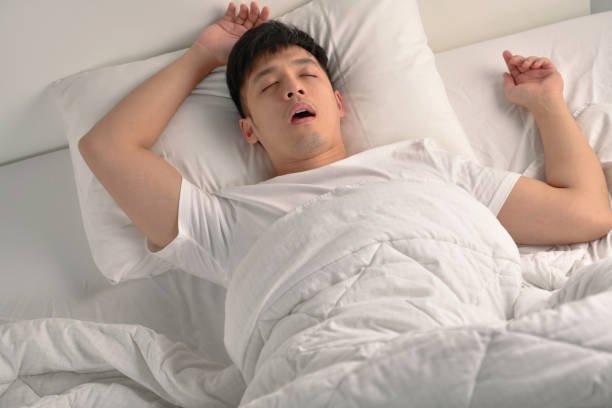
Sleep apnea is a s a serious sleep condition that affects millions of people, often without them realizing it. It can leave you feeling tired and low on energy during the day. It quietly puts stress on your heart and overall health.
Many people don’t realize their breathing stops and starts while they sleep. This can leave your body without enough oxygen and prevent deep rest.
Sleep apnea can be managed with the right steps. At Kairos Integrative Care in Houston and nearby areas, we help patients understand sleep apnea in real life. From what causes it and how it’s tested to the treatments that actually work, we guide you step by step.
What Exactly is Sleep Apnea?
Sleep apnea is a condition where your breathing stops or becomes very shallow while you are asleep. When this happens, your body doesn’t get enough oxygen, and a natural survival reflex wakes you up just enough to start breathing again. This prevents restful sleep.
A healthcare provider can help you create a plan to manage symptoms and reduce risks.
This condition has two main types, each with its own causes and patterns.
1. Obstructive Sleep Apnea (OSA):
This is the most common type. It happens when the muscles in your throat relax too much and block your airway. People with OSA often snore loudly and may gasp or choke during sleep.
It is estimated that about 1 billion people between the ages of 30 and 69 worldwide have OSA.
If you have OSA, you may experience the following signs:
- Loud, chronic snoring
- Gasping or choking at night
- You have morning headaches and a dry mouth
- You feel very sleepy during the day.
Central Sleep Apnea (CSA)
This type is less common and often connected to heart or brain conditions. Unlike OSA, the airway isn’t blocked. Instead, the brain sometimes doesn’t send the signals to keep your breathing steady.
If you have CSA, you may experience the following signs:
- Waking up several times during the night
- Feeling exhausted even after sleeping
- Shortness of breath while lying down
- Poor concentration
- Memory lapses during the day
Some people can have a combination of both OSA and CSA. This is called complex sleep apnea.
How Sleep Apnea Affects Your Body?
Sleep apnea is more than just feeling tired. Many people don’t realize it. But when your breathing stops or slows during sleep, it puts quite a stress on your heart and other organs. This can cause serious life-threatening health problems, such as:
- High blood pressure and added strain on your heart,
- Insulin resistance and a higher chance of developing diabetes
- Trouble with memory and mental health
- Mood swings
- Weight gain caused by changes in hormones that control appetite and metabolism
- Heart Failure or Cardiac Arrest
Even if you feel okay, it’s worth getting checked. If you snore or have other risk factors, a healthcare provider can help you figure out the next steps.

What Are the Risk Factors for Sleep Apnea?
Sleep apnea can affect anyone, but some people are more likely to develop it. Your risk may be higher if you have a biological family history or certain heart conditions, like high blood pressure or a history of stroke.
Some of the other risk factors include:
- Large tonsils that can block the airway
- Obesity, which increases risk, though people of any body size can develop it
- Being older, the chances go up as you age
- Being male, men are more likely to be diagnosed before age 50
Sleep Apnea Testing and Diagnosis
Some tests and assessments are used to diagnose sleep apnea. At Kairos Care, we start by asking you about your symptoms and medical history. If we think sleep apnea might be the cause, we recommend testing to confirm a diagnosis.
1. Home Sleep Apnea Testing
You can actually do this test at home, which makes it an easy first step. The kit for this test usually includes a small device you wear on your finger, chest, or under your nose while you sleep. It measures things like breathing, oxygen levels, and heart rate through the night.
Most people find it simple to set up, and it’s much more comfortable than spending the night in a lab. The results give your provider a good idea of whether sleep apnea is mild, moderate, or severe. From there, they’ll guide you on whether more testing or treatment is needed.
2. Polysomnography (In-Clinic Sleep Study)
This is considered the gold standard for diagnosing sleep apnea. Unlike home testing, it’s done overnight in a sleep clinic where you are closely monitored.
During the study, sensors track your brain activity, eye movements, muscle activity, heart rate, oxygen levels, airflow, and chest or belly movements while you sleep. It may sound like a lot, but the process is painless and gives doctors the most detailed picture of what’s happening.
Because it picks up even subtle sleep disruptions, this test is especially helpful for people with other health conditions or when home test results aren’t clear.
3. Check Your Key Health Metrics
Whether you do a home test or an in-clinic sleep study, both focus on a few key things. These are the clues that show how sleep apnea affects your body.
- Oxygen levels: When your oxygen drops, it usually means your breathing has stopped or become too shallow.
Heart rate: Changes or irregular rhythms can show that your heart is under extra stress while you sleep. - Breathing patterns: Sleep Apnea tests usually look for pauses in breathing (apnea), shallow breaths (hypopnea), and even how often you snore to figure out how severe your condition is.
4. Assessing Your Severity Levels
Not all sleep apnea is the same. Doctors measure it using the apnea-hypopnea index (AHI), which counts how many times your breathing stops or becomes shallow in an hour.
- Mild: 5–14 episodes per hour
- Moderate: 15–29 episodes per hour
- Severe: 30 or more episodes per hour
Understanding the severity matters a lot. It helps your healthcare provider decide the right treatment for you.
If you’re searching for sleep apnea specialists, it’s important to choose providers with experience in both OSA and CSA. Sleep apnea studies near me or sleep disorder clinics near me can help you find local testing options.
Sleep Apnea Treatment Options at Kairos
Treatment looks different for everyone. It depends on the type of sleep apnea you have and how severe it is. The following are the main treatment options:
- Lifestyle changes: Your provider may recommend simple shifts like losing weight, being more active, or sleeping on your side. Cutting back on alcohol and sedatives before bed can also lower symptoms.
- CPAP or BiPAP devices: These machines are used to gently push air through a mask to keep your airway open while you sleep. They’re one of the most common and effective treatments.
- Oral devices: There is actually no standard “pill” for sleep apnea. Custom dental devices can help. They work by moving your jaw or tongue slightly to keep your airway clear.
- Surgical options: In some cases, surgery may be recommended. This could involve removing tissue, adjusting the jaw, or using an implant like a hypoglossal nerve stimulator to keep airways open.
- Combination therapy: In some cases, your provider may suggest combining treatments like using CPAP together with lifestyle changes or an oral device for better results.
It is best to always discuss options with the best sleep apnea doctors to find a treatment that works for you.

Real-Life Tips to Manage Sleep Apnea
You can use the following tips to manage your sleep apnea:
- Keep your weight in a healthy range and stick with a balanced diet.
- Skip alcohol and sedatives before bed since they relax airway muscles.
- Try using a wedge pillow to keep your airway from collapsing.
- Train yourself to sleep on your side. Some people even use the tennis ball trick or a positional device.
- Make sure your CPAP machine is set up and ready to use every night.
- Experiment with different mask styles until you find one that’s comfortable.
- Bring your CPAP or oral device data to follow-up visits so your provider can fine-tune treatment.
- Practice simple throat and tongue exercises to help strengthen your airway muscles.
- Use saline sprays, nasal strips, or a humidifier to ease any dryness or nighttime congestion.
Common Questions About Sleep Apnea
Can sleep apnea cause high blood pressure?
Yes, it can. When your sleep is repeatedly disrupted, your body releases stress hormones that keep your blood pressure high over time.
How do you treat sleep apnea?
Treatment really depends on the person. Your provider may suggest lifestyle changes, a CPAP machine, or an oral device, and in some cases, surgery. The best results come from combining these options according to your specific needs.
Can sleep apnea be fixed right away?
Not right away. But you can take steps tonight. Sleep on your side. Use extra pillows. Try your CPAP if you have one. For lasting relief, your provider will make a long-term plan with you.
Conclusion
Sleep apnea is more common than many realize. But it can be managed with the right care. Getting tested early and finding the right treatment can improve your quality of sleep.
At Kairos, Lola, one of our board-certified nurse practitioners, takes the time to help you understand what type of sleep apnea you may have and which treatments are the best fit for your life.
Our team combines functional medicine with primary care in Houston, Sugar Land, and Richmond, Texas. We accept major insurance plans, including Blue Cross, Aetna, Ambetter, Cigna, and more.
New patients are always welcome, and if visiting the clinic isn’t possible, telemedicine appointments are available across the entire state of Texas.
Book your appointment today!