

Type 2 diabetes is very common, and more than 37 million Americans are living with diabetes, and nearly 1 in 5 don’t even know they have it. Diabetes is the eighth leading cause of death in the U.S. and is tied to heart disease, kidney failure, stroke, blindness, and severe foot problems. So, can you get rid of type 2 diabetes?
While there isn’t a permanent cure for it yet. What is possible is remission, when your blood sugar stays below the diabetes range without needing medication. For some people, this can last for years.
At Kairos Integrative Care, we work with patients in Houston, Sugar Land, and Richmond, Texas, to make this kind of remission possible
What Does “Getting Rid of Type 2 Diabetes” Really Mean?
When people ask us if I can “get rid of” diabetes, the more accurate way to describe it is remission. This means:
- Your blood sugar goes back into a healthy range without needing medication,
- Your A1C test (average 3-month blood sugar marker) remains in the normal range.
- You reduce or even stop needing medications under a doctor’s supervision.
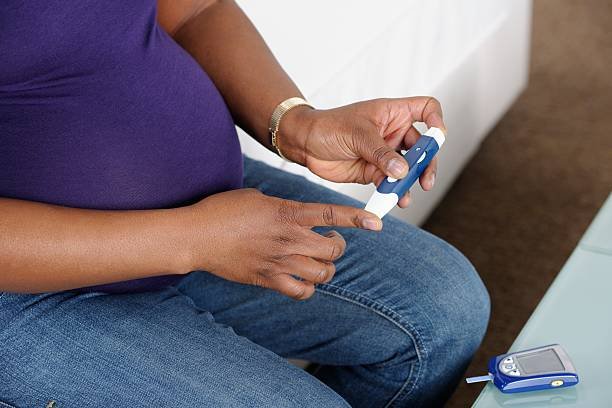
Remission doesn’t mean the risk is gone forever. You’ll still need to stick with the healthy habits that helped get your blood sugar under control. Even so, it’s possible to live without the daily challenges of type 2 diabetes.
How to Manage Type 2 Diabetes?
1. Manage Your Diet
Managing type 2 diabetes with diet takes dedication, but the results can be life-changing.
You need to focus on a lower-calorie diet. It is best to work with a professional to help ensure you get enough nutrients while keeping calories in check.
Try to avoid processed carbs and added sugars. Foods like white bread, pastries, and sweetened drinks spike blood sugar and insulin, making it harder for your body to manage glucose. At the same time, focus on whole, unprocessed foods. Non-starchy vegetables, lean proteins like chicken, fish, or eggs, healthy fats such as avocado, olive oil, and nuts, and fiber-rich foods like beans, oats, and seeds help keep blood sugar steady.
Try to limit your meals to a 10–12 hour window, or avoiding late-night snacking, can help your body regulate glucose more efficiently.
2. Do Regular Exercise
If you’re looking to manage your blood sugar, exercise is one of the easiest things you can do.
Lifting weights or doing simple bodyweight exercises builds muscle, and more muscle means your body can handle sugar better. You don’t need to go all out, just do something every day.
Even a short walk after meals works wonders. Just 10 or 15 minutes of walking after you eat can stop those scary sugar spikes. Honestly, it’s better to move a little every day than to push yourself too hard once in a while.

Studies show this actually works. People who do resistance training tend to have lower long-term blood sugar levels. And walking after meals, even just five minutes, can make a real difference in keeping your sugar steady.
To reach remission, you need to actually work on your overall weight loss, and exercise can help you get there.
3. Manage Your Stress
If you’re stressed or not sleeping well, your blood sugar can go up even if you’re eating right and exercising. That’s because stress makes your body release more cortisol and increases your blood sugar.
There are some simple things you can do to handle it:
- You should take a few deep breaths when you feel tense. Even a minute can calm you down.
- Move your body a little, stretch, walk, or do some light yoga. It helps release stress.
- Try to go to bed and wake up at the same time every day. Your body likes a routine.
- Turn off your phone or laptop at least 30 minutes before bed. Reading a book or listening to music helps you fall asleep more easily.
- Whenever you notice you’re feeling stressed, it is best to pause for a moment. This can make a difference.
4. Fasting:
Fasting can be one of the easiest ways to lose weight because it’s straightforward and doesn’t require complicated rules. It gives your body a break from constant digestion and can improve your insulin sensitivity.
A very small study even found that therapeutic fasting, going without food or calories for some period, may help reverse type 2 diabetes. But remember, fasting is not a standard treatment and should be done carefully.
Here are some of the ways to do it safely:
- Time-Restricted Eating: You should try eating within an 8–10 hour window each day and fasting for the rest.
- Intermittent Fasting: Try fasting on certain days, but always do this with guidance if you’re on medication.
- Guided Fasting at Kairos: We help make a fasting plan that fits your medicines and blood sugar goals so it’s safe for you.
You should know that fasting works best with a healthy diet and regular exercise. When it is done right, it can actually be a strong tool to manage type 2 diabetes.
4. Medications and Monitoring
Sometimes lifestyle changes alone are not enough to control type 2 diabetes, and medications can help. Common medicines doctors recommend include metformin, sulfonylureas, or GLP-1 receptor agonists.
Using a continuous glucose monitor can be very useful. It lets you see how your meals, sleep, and stress affect your blood sugar in real time.
Always talk with your healthcare doctor before starting or changing any medications.
5. Functional Medicine Approach
You need to look beyond just medications if you want to really manage type 2 diabetes. That’s why at Kairos, we focus on the underlying causes that may be affecting your blood sugar.
Some of the main areas we pay attention to are:
- Inflammation
- Gut health imbalances
- Nutrient deficiencies
- Hormonal changes
What Does Not Work For Type 1 Diabetes?
There is a lot of advice online that sounds amazing but doesn’t actually help you in the long run.
You should be careful with these:
- Miracle supplements: No pill or powder can reverse type 2 diabetes on its own. They always need a little help, but they won’t fix the problem by themselves.
- Extreme fad diets: Crash diets or anything super restrictive can lower blood sugar for a short time, but they are not sustainable and can even make things worse later.
- Relying on medications alone: Medicine helps control blood sugar, but without changes to your lifestyle, the underlying causes aren’t fixed.
- Quick fixes and 7-day “reversals”: True remission takes time, consistent effort, and support. There’s no magic in shortcuts.
Bottom Line
So, can you get rid of type 2 diabetes? Yes, many people can put it into remission. It takes commitment and the right guidance that works for your body.
At Kairos, Lola, one of our board-certified nurse practitioners combines functional medicine and primary care with personalized guidance to help manage your blood sugar and address the root causes.
We see patients in Houston, Sugar Land, Richmond, and nearby areas (77046 & 77478) and accept major insurance plans, including Blue Cross, Aetna, Ambetter, Cigna, and more.
New patients are always welcome, and if coming to the clinic isn’t possible, telemedicine appointments are available across Texas.
Book your appointment today!