
Breast cancer is one of the most common cancers in women, but men can get it too. It happens when breast cells grow uncontrollably and form tumors. Sometimes these tumors can spread to other parts of the body.
A breast lump is the most common sign, but breast cancer symptoms can vary depending on the type of breast cancer. You might notice changes anywhere along the chest, from the breast tissue to under the armpit.
It is important to remember that having these symptoms doesn’t automatically mean you have breast cancer. Many other conditions can cause similar changes. Your diagnosis depends on tests and your doctor’s examination, not just what you see or feel.
What is Breast Cancer?
Breast cancer happens when cancerous cells in your breasts multiply and form tumors. About 80% of breast cancer cases are invasive, meaning the tumor can spread from the breast to other parts of the body. This is why understanding breast cancer symptoms and undergoing regular screenings are so important. It most commonly affects women aged 50 and older, younger women can also be diagnosed. Men, though rarely, can develop breast cancer too.

Different Types and Stages of Breast Cancer
Breast cancer has multiple types and stages, and your healthcare provider identifies the type and subtype of breast cancer. This helps them plan the most effective treatment with the fewest side effects.
Stage 0 – Ductal Carcinoma In Situ (DCIS)
Stage 0, or DCIS, is non-invasive. The cancer cells are confined to the milk ducts and haven’t spread to nearby breast tissue. Even though it’s the earliest stage, treatment is important to stop it from becoming invasive.
Most individuals don’t see any symptoms at this stage.
- Mostly detected only on mammograms
- Small lumps or calcifications are seen at this stage
Its treatment usually involves surgery, and sometimes radiation may be added. Regular mammograms are essential to catch it early.
Stage I – Early Invasive Breast Cancer
Stage I breast cancer is small and may have spread to one or two nearby lymph nodes. At this stage, it is highly treatable, and early treatment makes a big difference.
The most common type of Stage 1 cancer is either IDC (Invasive Ductal Carcinoma), which starts in the milk ducts, or ILC (Invasive Lobular Carcinoma), which starts in the lobules. IDC is the most common type in the U.S.
Typical signs to watch for include:
- A small lump in the breast or underarm,
- slight changes in breast size or shape,
- minor dimpling of the skin.
Stage II–III – Locally Advanced Breast Cancer
Stages II and III involve larger tumors and more lymph nodes. The cancer may spread to tissues around the breast, but hasn’t reached distant organs. These stages need more aggressive treatment.
Its common types include IDC (Invasive Ductal Carcinoma), ILC (Invasive Lobular Carcinoma), HER2-positive, and ER/PR-positive cancers.
You should watch for the following symptoms:
- A noticeable lump in the breast or underarm
- Changes in breast size or shape
- Breast size or shape changes
- Skin dimpling, redness, thickening
- Nipple changes, such as discharge or inversion
Its treatment usually combines surgery, chemotherapy, radiation, and sometimes any targeted therapy. Your doctor follows the approach based on your tumor type and needs.
Stage IV – Metastatic Breast Cancer
Stage IV breast cancer happens when cancer spreads beyond the breast to other parts of the body, like the bones, liver, lungs, or brain. This is the most advanced stage, but treatments today can help control symptoms and slow the disease.
Its symptoms vary depending on where the cancer spreads:
- In Bones: pain, fractures, swelling
- In Liver: jaundice, nausea, abdominal discomfort
- In Lungs: persistent cough, shortness of breath
- In the Brain: headaches, vision changes, confusion
Its treatment mainly focuses on providing systemic therapies such as chemotherapy, hormone therapy, targeted therapy, and immunotherapy.
Triple-Negative Breast Cancer (TNBC)
Triple-negative breast cancer is a fast-growing and aggressive type of cancer. It can appear at any stage. TNBC doesn’t have estrogen, progesterone, or HER2 receptors. This means hormone therapy and HER2-targeted treatments won’t work. Chemotherapy is usually the main treatment.
The following are the main symptoms to watch for:
- Lumps in the breast or underarm
- Skin changes, such as redness, dimpling, or thickening
- Swelling or tenderness in the breast
Early detection is very important. TNBC can grow and spread faster than other types, so noticing changes quickly can improve treatment options.
Early Warning Signs of Invasive Breast Cancer
Breast cancer can start quietly, and early detection makes a big difference. Invasive types mean the cancer has begun to spread beyond the ducts or lobules. So, noticing changes in your breasts early can save lives.
Common breast cancer symptoms include:
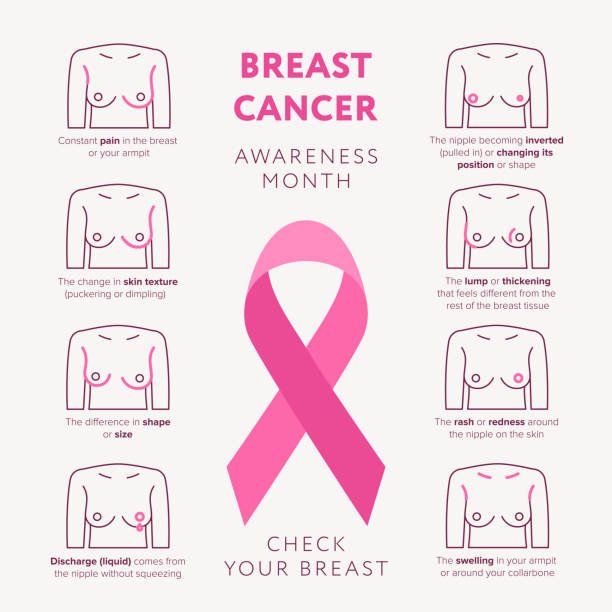
- A breast lump or thickening that feels different from the rest of the breast tissue
- Changes in size or shape, especially if it happen quickly
- Skin changes such as dimpling, puckering, redness, warmth, peeling, or flaking
- Redness or pitting of the breast skin, sometimes called “orange peel” texture
- Irritated or itchy breasts
- Nipple changes, including inversion, discharge (sometimes blood-tinged), or pain
- Swelling in the underarm or collarbone area, which may indicate lymph node involvement
- Changes in touch, such as areas that feel hard, tender, or warm
It’s important to remember that many of these changes can be caused by non-cancerous conditions. Skin changes could be due to eczema, and swollen lymph nodes may result from an infection. Your healthcare provider will determine whether a change is serious or just harmless.
Is Stage 3 or Stage 4 Breast Cancer Curable?
In Stage 3 cancer, the tumor is larger and may have reached nearby lymph nodes. But it hasn’t spread to distant organs. The good news is it’s still treatable. Its 5-year survival rate is roughly 73–86%. Younger people often respond better to treatment, while older adults may face more challenges.
Stage 4 breast cancer is generally not curable. Treatments today can control symptoms and slow the disease. The survival rate depends on your overall health, tumor type, where the cancer has spread, and access to the right treatments.
Do Breast Cancer Lumps Hurt?
Most breast cancer lumps don’t cause any pain. That’s why relying on discomfort alone can be misleading. A lump can grow silently without any sensation. You may see some tenderness or slight irritation, but these symptoms can often be caused by harmless issues like cysts or hormonal changes.
It’s important to remember that pain doesn’t rule out cancer. Any lump that changes in size or shape, even if it doesn’t hurt, should be checked by a doctor.
Steps You Can Take for Early Detection
- Check your breasts every month for lumps or any thick areas.
- Get regular mammograms starting at age 40, or earlier if you have a higher risk like family history or BRCA mutations.
- Look for subtle changes such as dimpling, redness, discharge, or ongoing breast pain.
- Track your menstrual cycles or any breast changes to help your doctor determine these patterns.
- You can do these checks yourself at home each month.
- If something feels off, see a breast specialist right away.
Conclusion
A breast cancer diagnosis can change your life. Sometimes, cancer can be present for years before you notice changes, like a lump. Early examination can save lives and give more treatment options.
This October, join us in supporting breast cancer awareness. Team Kairos Health is walking and running at the Susan G. Komen Race for the Cure to raise funds for research and support for women everywhere.
At Kairos Integrative Care, Lola, one of our board-certified practitioners, helps patients with practical, easy-to-follow plans for prevention and overall health. New patients are always welcome. Telemedicine visits are available across Texas.
Book your appointment today!