
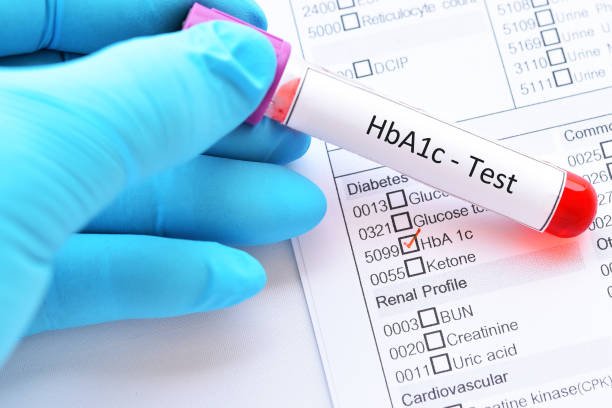
A diabetes test is simple, but it can tell you a lot. With just a small blood sample, doctors can see if your sugar levels are in a healthy range or starting to creep up. Since diabetes often develops quietly, without early warning signs, testing is the only way to know for sure.
At Kairos, we provide primary care in Sugar Land, Texas, where diabetes screening is the main part of looking after your overall health.
Who Should Be Screened for Diabetes?
Diabetes screening isn’t just for people who are already sick. These days, many people who meet the criteria for testing just don’t realize they are actually at risk. That’s why doctors recommend testing for certain groups, even if you feel perfectly fine.
You should think about getting tested if:
- Your BMI is above 25 (or above 23 for Asian Americans), especially if you also have conditions like high blood pressure, abnormal cholesterol, a sedentary lifestyle, heart disease, PCOS, or a family history of diabetes.
- You’re 35 or older. Even if you’re healthy, doctors may recommend an initial screening, and if your results are normal, repeat the test every 3 years.
- You’ve had gestational diabetes. If you’ve experienced diabetes during pregnancy, you should be screened every 3 years afterward.
- You’ve been told you have prediabetes. In this case, annual testing is important to stay on top of changes.
- You’re living with HIV. Regular screenings are very crucial for HIV individuals.
These recommendations are highly supported by the American Diabetes Association. This is your reminder that diabetes testing is very important to catch problems early.

If you’re asking yourself, “Should I find a diabetes doctor near me or a diabetes specialist near me?” your answer is: Yes, because early detection can completely change your health journey.
Normal Blood Sugar Ranges
Blood Sugar Ranges actually tells you about how well your body is managing energy. You must understand these numbers and make sure you fall into the healthy category.
What your ranges actually mean:
- Normal fasting blood sugar: below 100 mg/dL
- Prediabetes: 100–125 mg/dL. At this stage, blood sugar is higher than normal, but not high enough to be diabetes.
- Diabetes: 126 mg/dL or higher. This means your body may be having trouble keeping blood sugar in balance.
To get a clearer picture, we usually recommend the A1C test. It looks at your average blood sugar levels over the past 2–3 months, unlike a single fasting test.
The Main Tests for Diabetes
There are many tests to check for diabetes. Your provider may order one or more following tests to get the full picture of how your body is handling sugar.
1. A1C Test (Hemoglobin A1C)
This test shows your average blood sugar over the last 2–3 months. It measures how much glucose is attached to hemoglobin in red blood cells..
- Normal: below 5.7%
- Prediabetes: 5.7% to 6.4%
- Diabetes: 6.5% or higher
You don’t need to fast before this diabetes test. This test gives a broader picture of your sugar control. Many providers use it as the go-to test for regular diabetes testing.
2. Fasting Blood Glucose Test
In this test. You don’t drink food or drink anything except water for at least 8 hours. Your blood sample will be taken to measure your blood sugar after fasting.
- Normal: below 100 mg/dL
- Prediabetes: 100–125 mg/dL
- Diabetes: 126 mg/dL or higher (on more than one test)
Doctors often use this test alongside the A1C to confirm your results.
3. Glucose Screening Diabetes Test
This test is commonly used during pregnancy. You need to drink a sweet glucose solution, and your blood sugar is measured one hour later.
- Normal result: 140 mg/dL or lower
- Above 140 mg/dL: You’ll need a follow-up glucose tolerance test for confirmation.
4. Glucose Tolerance Test (OGTT)
This test shows how well your body processes sugar. After fasting, you’ll drink a sweet glucose drink, and your blood sugar will be checked several times over the next 2–3 hours.
- Normal: under 140 mg/dL after 2 hours
- Prediabetes: 140–199 mg/dL
- Diabetes: 200 mg/dL or higher
It’s often used to diagnose gestational diabetes during pregnancy.
Diabetes Tests for Type 1 and Type 2
Type 1 Diabetes
Type 1 diabetes is less common, but it usually develops quickly. It is common in children, teens, or young adults. If your doctor suspects Type 1, they’ll recommend the following tests:
- Blood Sugar Check: This can be done as a random test or after fasting to see if your blood sugar is higher than normal.
- Antibody Testing: These tests look for markers that show your immune system is mistakenly attacking the cells in your pancreas.
- Urine Ketone Test: This checks for ketones, which your body makes when it burns fat instead of sugar. If both your blood sugar and ketones are high, it can point to Type 1 diabetes and usually needs urgent attention.
Type 2 Diabetes
Type 2 diabetes is more common and usually linked to insulin resistance. Your body still makes insulin, but your cells don’t use it properly. Testing for Type 2 usually starts with an A1C test, which shows your average blood sugar over the past 2–3 months.
A fasting blood glucose test or an oral glucose tolerance test (OGTT) may also be done to confirm the diagnosis. These same tests can also flag prediabetes early.
Tests for Gestational Diabetes
Gestational diabetes can show up during pregnancy, usually between weeks 24 and 28. It can impact your baby’s growth and health. That’s why getting tested on time is very important. As we explained earlier, diabetes testing usually starts with a simple glucose screening.

For this, you’ll first do a glucose screening test. If your blood sugar comes back higher than normal, the next step is a glucose tolerance test, which gives a more accurate picture and confirms whether gestational diabetes is present.
Prediabetic Symptoms and Testing
Prediabetes can stay hidden for years as it has no obvious signs. But there are a few signs you can look out for. Ask yourself:
- Am I thirstier than usual, even when I drink plenty of water?
- Do I use the bathroom a lot, especially at night?
- Do I feel more tired than normal, even without a clear reason?
- Does my vision sometimes get blurry and then clear up again?
- Have I gained extra weight around my belly, or noticed it’s harder to lose weight?
If you answered Yes to some of these, that doesn’t mean you have prediabetes. But it could be your body telling you that your blood sugar isn’t where it should be.
The only way to know for sure is with a simple blood test, including an A1C test or fasting glucose diabetes test.
What To Do After a Diagnosis
Once your diabetes is diagnosed and confirmed by your provider, treatment will depend on the type of diabetes:
If You Have Prediabetes
There’s still time to make changes. You should eat balanced meals and keep a healthy weight. These habits can often prevent diabetes from developing. We are here to guide you step by step.
If You Have Type 1 Diabetes
If you have Type 1 diabetes, our treatment will focus on giving your body the insulin it can’t make. This usually means insulin injections or using an insulin pump. You’ll also need to check your blood sugar regularly and keep track of the carbs you eat.
If You Have Type 2 Diabetes
If you have Type 2 diabetes, you may need medication like Metformin to manage it.. This includes monitoring your blood sugar, eating well, and taking oral medications, insulin, or sometimes both.

If You Have Gestational Diabetes
During pregnancy, careful meal planning and gentle exercise can make a big difference. Sometimes medication is needed, too. We’ll help you and your baby stay safe and healthy.
At Kairos Primary Care Sugar Land, Texas, we look at your overall health, including your diet, stress, and hormones. This will get you support that goes beyond just test results.
Conclusion
Don’t put off a diabetes test. If you’ve been searching for diabetes testing near me, a diabetes doctor near me, the most important step is to get checked early, especially if you have risk factors.
At Kairos Integrative Care, Lola, one of our board-certified practitioners, works with you to combine functional medicine, medical treatments to help you feel in control.
We see patients in Houston, Sugar Land, Richmond, and nearby areas (77046 & 77478). We accept most major insurance plans, including Blue Cross, Aetna, Ambetter, Cigna, and more.
If you can’t visit the clinic, telemedicine appointments are also available across Texas.
Book your appointment today!