

Chronic pain and inflammation can affect your daily life in ways you might not expect. Many people experience tingling, numbness, or persistent discomfort that interferes with their work or simple activities.
Have you ever noticed pain or weakness in your hands or feet? Do you feel stiffness or burning sensations that make moving uncomfortable?
Things like chronic pain, inflammation, and nerve health are closely connected, and addressing them can help you feel better and improve your daily life.
In this guide, We’ll explore why peripheral neuropathy happens, how it links to chronic pain and inflammation, and what you can do to manage it.
What is Peripheral Neuropathy?
Peripheral neuropathy happens when the nerves outside the brain and spinal cord get damaged or stop working as they should. These nerves carry messages between your brain, spinal cord, and the rest of your body.
They control your movement, sensation, and all other important body functions like digestion and blood pressure.
There are different types of neuropathy.
- Sensory neuropathy changes how you feel, causing tingling, burning, or numbness.
- Motor neuropathy affects your muscles and strength, making walking or holding things harder.
- Autonomic neuropathy can interfere with your automatic body functions like heart rate, sweating, or digestion.
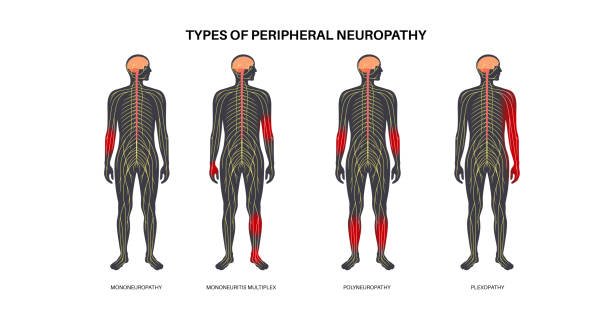
In some cases, more than one type happens at the same time, which can make diagnosis and treatment very difficult.
Peripheral Neuropathy Symptoms
The symptoms of peripheral neuropathy depend highly on which nerves are affected. Following are the common symptoms:
- You may feel tingling or pins-and-needles sensations in the hands or feet
- Numbness or loss of sensation
- Burning, stabbing, or electric shock-like pain
- Muscle weakness and difficulty walking or holding objects
- You have balance issues or frequent tripping
- Autonomic symptoms like digestive problems, dizziness, or abnormal sweating
These symptoms often start slowly but get worse over time. That’s why at Kairos Health, we help our patients recognize these signs early and create a plan to manage their symptoms efficiently.
What Does Peripheral Neuropathy Feel Like?
Peripheral neuropathy can feel very different from one person to another. Some individuals describe it as a burning or stabbing sensation, but others experience numbness or a loss of sensation that makes it difficult to feel pain or anything.
For many, symptoms worsen at night, interfering with sleep and daily activities.

Living with peripheral neuropathy can also affect your emotional health. Chronic pain and limited mobility can lead to ongoing frustration or depression.
What Causes Peripheral Neuropathy?
Peripheral neuropathy can have many causes, such as:
- Diabetes is the main reason, as high blood sugar is directly linked to damage to your nerves over time.
- Vitamin deficiencies, particularly B12, folate, and B1, can also harm your overall nerve health.
- Infections such as HIV, shingles, or Lyme disease can harm your nerves and lead to peripheral neuropathy.
- Autoimmune conditions, including Lupus or Guillain-Barré syndrome, may also interfere with nerve function.
- Medications, especially chemotherapy drugs, as well as long-term alcohol use or exposure to harmful substances like heavy metals, can affect your nerve health.
- Some people inherit conditions, such as Charcot-Marie-Tooth disease, that make their nerves more vulnerable.
- Ongoing inflammation in your body can slowly damage nerves and make symptoms worse over time.
We work with you to identify the root cause behind neuropathy and help you manage it effectively.
Diagnosis and Tests at Kairos
There are many causes of peripheral neuropathy, so in order to properly diagnose it, we start by finding out the main cause behind it.
This includes knowing your detailed medical history and discussing your symptoms thoroughly. We check for key things like pain, numbness, or weakness, and review your medication.
Next, we may order some of the following tests to find the root cause:
- Blood Tests: These check for diabetes, vitamin deficiencies (B12, B1, folate), thyroid problems, autoimmune markers, and signs of infection
- Nerve Conduction Studies: It is used to measure how well your nerves send electrical signals.
- Electromyography (EMG): This helps determine how your muscles respond to nerve signals and identifies nerve damage.
- Imaging Tests: These include MRI or ultrasounds, perfect for detecting structural problems like nerve compression or tumors.
- Nerve Biopsy: A small sample of nerve tissue, especially from a sensory nerve, is examined under a microscope to find the root cause of this disease.
- Skin Biopsy: In this test, a small portion of your skin is used to identify small-fiber neuropathy, which is often missed by other tests.
These tests together give your overall nerve health and help us identify the exact cause of your neuropathy.
Can You Die from Peripheral Neuropathy?
Peripheral neuropathy itself is rarely fatal. However, it can lead to complications that increase your further health risks.
Numbness in the feet or hands can result in more injuries or infections that may go undiagnosed over time, which in turn cause more complications.
If you suffer from diabetes or autoimmune conditions, this together may lead to life-threatening complications if untreated.
Your focus should always be on early diagnosis and proper treatment to reduce the impact of chronic pain and inflammation.
Chronic Pain and Inflammation in Neuropathy
Peripheral neuropathy is mainly tied to chronic pain and inflammation. When your nerves are damaged, they can send abnormal signals. This cause persistent pain even without any external injury.
Inflammation, whether from an autoimmune conditioner or diabetes can worsen nerve damage and prolong pain.
This creates an ongoing cycle such as nerve damage leads to inflammation, which leads to more pain. Over time, this can affect your movement, sleep, and overall mood.
At Kairos, we focus on managing inflammation through your diet and medical care to manage your nerve damage.

What to do If you have it?
If you have peripheral neuropathy, there are steps you can take to manage your symptoms. The goal is to reduce any inflamation and prevent further damage.
We help you create a plan that match your health needs.
- Lifestyle and Diet: You should go for a balanced diet rich in vitamins and antioxidants, stay active with regular exercise, and keep your blood sugar under control.
- Medications: Your healthcare provider may recommend you some medications to overcome nerve pain.
- Therapies: There are some physical and occupational therapies that help you maintain strength and mobility.
- Alternative Approaches: You can also opt for better therapies like acupuncture, nerve stimulation in order to get some extra relief.
- Preventive Measures: To mange your condition, you need to limit alcohol, avoid toxins, and manage your health conditions like diabetes or high blood pressure to protect your nerves.
- Regular Check-Ups: Track your symptoms and visit your healthcare provider regularly to prevent any further complications.
Conclusion
Peripheral neuropathy, chronic pain, and inflammation can disrupt your quality life, but early recognition and proper care make a big difference
At Kairos Integrative Care, Lola, one of our board-certified practitioners, works with you to identify the root cause of your neuropathy, manage pain, and reduce inflammation with a plan that is just made for you..
We see patients in Houston, Sugar Land, Richmond, and nearby areas (77046 & 77478). Most major insurance plans are accepted, including Blue Cross, Aetna, Ambetter, Cigna, and more.
New patients are always welcome, and if visiting the clinic isn’t possible, telemedicine appointments are available across the entire state of Texas.
Book your appointment with us today!