
Many people are told to “watch their cholesterol,” but the advice often stops at “avoid fried foods.” The truth is more nuanced. Some everyday foods that seem harmless (or even healthy) can raise LDL (“bad” cholesterol), lower HDL (“good” cholesterol), or contribute to inflammation when eaten often or in large amounts.
At Kairos, we know that keeping your heart healthy isn’t just about skipping obvious junk foods. You also need to pay attention to hidden ingredients, your daily habits, and even genetics, since all of these can affect your cholesterol levels.
Some patients can eat eggs freely with no issue, while others (especially those with diabetes, insulin resistance, or certain genetic markers like ApoE4) may be more sensitive
In this guide, we’ll explain 7 surprising foods that can raise your cholesterol and share practical tips you can use to support a healthier heart.
What is High Cholesterol?
Cholesterol is a type of fat in your blood that your body needs for important jobs like building cells and making hormones. But too much cholesterol can be risky and raise your chances of heart disease or stroke.
Following are the the main types of cholesterol you should know:
LDL (Low-Density Lipoprotein)
LDL is often called bad cholesterol. If there is too much LDL in your arteries, it can form plaques, which makes it harder for blood to flow. Your LDL should be less than 100 mg/dL.
HDL (High-Density Lipoprotein):
It is known as good cholesterol. It helps remove extra cholesterol from your blood, keeping your heart healthier. You want HDL to be 40 mg/dL or higher.
Triglycerides:
These are fats found in your blood. Its high levels can damage your arteries and increase the risk of heart problems. A healthy level is less than 150 mg/dL.
High cholesterol usually doesn’t cause any symptoms. That is why regular testing is very important to prevent long-term issues.
Why Some Foods Raise Your Cholesterol?
Foods that are high in saturated fats, trans fats, or cholesterol can raise your LDL (bad cholesterol) and lower your HDL (good cholesterol). Even foods we think of as “healthy” can become a problem if eaten too much.
When cholesterol stays high for a long time, it can cause plaque buildup in the arteries and increase the risk of heart attack, stroke, and other heart problems.

7 High Cholesterol Foods and What to Do
1. Egg Yolks
Egg yolks are rich in nutrients (B vitamins, choline, vitamin D), but they’re also high in dietary cholesterol. For most people, moderate egg intake doesn’t dramatically raise heart risk, but if you have diabetes, insulin resistance, or a family history of early heart disease, frequent egg yolk consumption may raise LDL.
What to do instead: Enjoy eggs in moderation. Try one whole egg with added egg whites for protein and bulk up your plate with vegetables like spinach or peppers. This keeps nutrition high without overloading cholesterol.
2. Processed Meats
Bacon, sausages, hot dogs, and deli meats are high in saturated fat and sodium. This combo doesn’t just raise your bad cholesterol. it also encourages plaque buildup in your arteries.
What to do instead: Choose grilled chicken, turkey, salmon, or plant-based proteins (beans, lentils, tofu). Season generously with herbs and spices to keep flavor without the hidden health risks.
3. Full-Fat Dairy
Cheese, butter, cream, and whole milk are calorie-dense and high in saturated fat. While dairy is not “toxic,” frequent intake can drive up LDL and triglycerides, especially in those with metabolic issues.
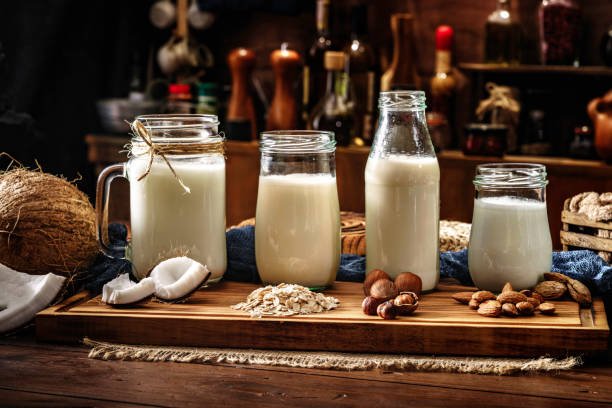
What to do instead: Swap to plant-based options like almond, oat, or coconut milk. Use avocado, olive oil, or tahini for creaminess. If you tolerate dairy, use it sparingly and balance it with fiber-rich, anti-inflammatory foods.
4. Butter and Ghee
Butter and ghee are usually used in home cooking, but they are high in saturated fat.
It is around 60–65% saturated fat, and ghee can be even higher at 60–70%, depending on how it is made. If you eat too much of these fats, they can easily raise your bad cholesterol and lower your good cholesterol.
What to do instead: Use olive oil, avocado oil, or even sesame oil for cooking, these are rich in monounsaturated fats that support heart health. You can also boost flavor naturally with garlic or fresh herbs instead of just relying on heavy fats.
5. Fried and Fast Foods
French fries, fried chicken, and fast-food meals are often cooked in refined oils that get reheated multiple times, creating inflammatory compounds. Even if trans fats are technically banned in the U.S., trace amounts and unhealthy oils still show up in many fried foods.

What to do instead: Bake, roast, or air-fry at home. Pair lean proteins (chicken, fish, turkey) with roasted veggies and whole-food carbs like sweet potatoes or quinoa.
6. Ice Cream and Creamy Desserts
Ice cream, custards, and rich, creamy, and chocolaty desserts are loaded with sugar and saturated fats. Together, they raise triglycerides, contribute to weight gain, and put added strain on the heart.
What to do instead: Try fruit bowls, chia pudding, or banana “nice cream” (frozen bananas blended smooth). Add a sprinkle of dark chocolate or cinnamon for extra flavor.
7. Packaged Snacks and Pastries
Cookies, cakes, crackers, and chips may look innocent, but are usually made with refined oils, added sugars, and little fiber. While artificial trans fats are mostly banned, many snacks still worsen cholesterol by raising LDL and lowering HDL.
What to do instead: Choose homemade or minimally processed snacks. Air-popped popcorn, roasted nuts, hummus with veggies, or gluten-free crackers with guacamole give satisfaction without the metabolic cost.
Tips for Managing Cholesterol Through Diet
At Kairos, we believe change happens through small, sustainable habits. Here are the core strategies we teach patients:
- Boost Fiber Intake
Soluble fiber (found in oats, apples, lentils, and chia seeds) helps “trap” cholesterol and remove it from the body. Aim for 25–35g of fiber daily. - Choose Healthy Fats
Focus on monounsaturated and polyunsaturated fats from olive oil, avocado, nuts, and fatty fish (salmon, sardines, mackerel). These can help raise HDL and lower LDL. - Add Plant-Based Meals
Plant-heavy meals are naturally low in saturated fat and packed with antioxidants and fiber, helping protect blood vessels from damage. - Limit Added Sugars & Refined Carbs
Sugar spikes can raise triglycerides. Swap soda and pastries for whole fruit and use natural sweeteners like stevia in moderation. - Watch Portions
Even healthy foods in oversized portions can contribute to weight gain, which worsens cholesterol. A simple hack: use a smaller plate and fill half with vegetables. - Stay Active
150 minutes of weekly movement (brisk walking, dancing, cycling, strength training) helps raise HDL and improve insulin sensitivity. - Manage Stress
Chronic stress raises cortisol, which can push cholesterol and triglycerides higher. Practices like breathwork, yoga, meditation, or grounding outdoors help reset your system.

Conclusion
Sometimes diet and lifestyle changes alone aren’t enough to manage high cholesterol. Regular blood tests and consultations with a healthcare professional are essential.
At Kairos Integrative Care, Lola, one of our board-certified practitioners, creates personalized nutrition plans, monitors your cholesterol levels, and provides you with ongoing support to protect your heart health.
We see patients in Houston, Sugar Land, Richmond, and nearby areas (77046 & 77478). We accept most major insurance plans, including Blue Cross, Aetna, Ambetter, Cigna, and more.
New patients are welcome, and if you can’t make it to the clinic, telemedicine visits are available for patients across the entire state of Texas.
New patients are welcome. Book your $25 Intro to Wellness Consultation today and learn how your body responds, beyond the basics.