

Your body is designed to keep your energy steady throughout the day, especially after meals. But blood sugar imbalance can lead to fatigue, weight gain, trouble focusing, and even hormone problems. This issue is more common than most people realize.
At Kairos Integrative Care, we’ve seen how these signs often connect back to how the body processes glucose. The good news is that blood sugar imbalance is entirely manageable and often reversible with the right lifestyle and nutrition strategies.
What Are the Symptoms of Blood Sugar Imbalance?
Normally, blood sugar levels stay between 70–99 mg/dL when fasting, and under 140 mg/dL after meals. But when they rise too high or drop too low, it affects you deeply.
You may experience the following symptoms:
- You have strong cravings for sugar or refined carbs
- You feel very tired after meals
- Feeling shaky, lightheaded, or jittery between meals
- Brain fog or difficulty focusing
- Irritability or mood swings, especially when hungry
- Waking up during the night or having trouble falling asleep
- You are always thirsty or needing to pee more than usual
- You experience afternoon headaches
- Trouble losing weight even with a healthy diet
A lot of people live with these symptoms daily, without ever realizing their blood sugar is behind it. That is why it’s very important to pay attention to the small signals your body sends.
Ways to Manage Blood Sugar Imbalance
1. Eat Blood Sugar-Friendly Meals
One of the simplest ways to support your blood sugar is by building meals with the right balance of nutrients. You should include fiber, healthy fats, and protein every time you eat.
You should Eat More:
- Protein helps you stay full longer and slows down how quickly sugar enters your blood. The best sources of protein are eggs, chicken, tofu, or fish.
- Healthy fats such as olive oil, avocado, nuts, and seeds can support hormone balance and help your body balance insulin levels.
- Add fibers to your plate. You should go for veggies, beans, and whole grains. This helps slow down digestion and keeps blood sugar steady.
- Low-glycemic carbs like sweet potatoes, lentils, and berries give you steady energy without the crash you’d get from white bread or sugary snacks.
You should never eat carbs alone. Pair fruit with a handful of nuts, or have your toast with some eggs and avocado. This helps slow sugar absorption and keeps your energy steady.
2. Track Your Blood Sugar
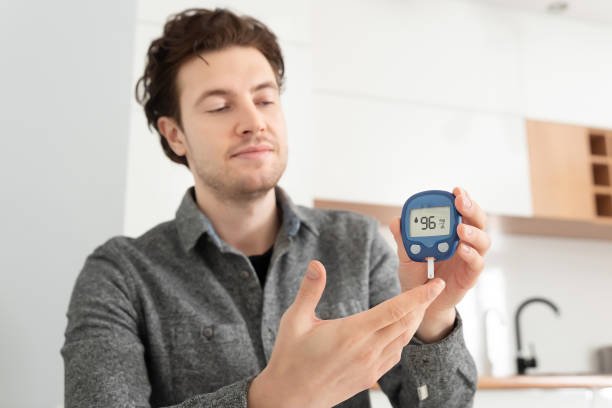
You do not need to be diabetic to keep an eye on your blood sugar. At Kairos, we often suggest using a continuous glucose monitor (CGM) or a basic finger-prick test at home.
This is the easiest way to spot patterns in how your body reacts to food. You may notice unexpected spikes from things you thought were healthy, like a bowl of oatmeal or a smoothie.
3. Don’t Skip Meals
When you go too long without eating, your blood sugar levels can drop. That is when you start to feel shaky or suddenly hungry for something sweet. It is best to eat every 3 to 5 hours to keep your blood sugar levels steady.
At Kairos, we don’t recommend extreme intermittent fasting for those with blood sugar dysregulation, especially women with hormone imbalances or adrenal issues.
4. Move Your Body After Meals
A short walk after meals can make a big difference in how your body handles sugar. A new study found that light walking for just 10 minutes after meals significantly reduces blood sugar levels compared to sitting.
So instead of heading straight to the couch, try a walk around the block or some gentle stretching. This simple routine helps your body pull glucose out of your blood and into your cells.
5. Watch Your Stress Levels
When you are under stress, your body releases a hormone called cortisol. This hormone tells your liver to release stored sugar into your bloodstream. This can cause unexpected spikes in blood sugar, even if you’re eating well.
Add these to your daily routine to avoid stress:
- Take a few minutes for deep breathing or quiet meditation
- Do gentle yoga or light stretching to relax your body
- Prioritizing sleep
- You should set healthy boundaries with screen time and office work

6. Healthy Sleep It’s Not Optional
Healthy sleep is one of the most powerful tools for keeping your blood sugar balanced. When you don’t sleep well, even just for one night, your body becomes less sensitive to insulin.
That is why you should sleep at least 7–9 hours. Your body does important repair work during the night. Consistent sleep supports your metabolism to function properly.
7. Use Supplements When Needed
Supplements can be useful, but they are not for everyone. If your body is lacking certain nutrients, the right supplement can help. But they should always be taken under the guidance of a healthcare professional.
We recommend:
- Berberine: Helps in improving insulin sensitivity
- Magnesium: It can support your glucose metabolism
- Cinnamon extract: This can help reduce blood sugar spikes after meals
Supplements are not a substitute for proper nutrition or medical advice. At Kairos, we look at your nutrient levels first before recommending anything.
Why Does My Blood Sugar Spike After Eating?
This is the most common issue among people. It happens because of what and how you are eating. Meals that are high in glycemic carbs, like white bread, pastries, or sweet drinks, can cause a rapid rise in glucose. This happens mostly when you do not pair protein, healthy fats with these carbs.
Eating too quickly without chewing properly can also spike your sugar. Blood sugar spikes after eating are natural. But if they’re too high or frequent, they lead to energy crashes, mood swings, and insulin resistance.
Can Blood Sugar Affect My Mood and Mental Health?
Yes, blood sugar has a direct impact on your mood and mental health. When it goes too high or drops too low, it can make you anxious, moody, foggy, or even angry for no clear reason.
In fact, studies show that poor blood sugar control is highly linked to feeling low or even depressed. So, if you’ve been feeling emotionally low, it’s worth looking at how your body is fueling your brain throughout the day.

How to Lower Blood Sugar Immediately?
The fastest and most effective way to lower blood sugar quickly is by going for a brisk walk or doing light exercise. Movement helps your muscles absorb and use glucose for energy, which reduces sugar levels within 15–30 minutes. It is simple but powerful.
Another helpful step is to drink plenty of water. This helps your kidneys quickly flush out excess sugar through urine.
If your blood sugar is dangerously high ( over 300 mg/dL) or you’re feeling unwell, dizzy, nauseous, or confused, don’t wait. It is important to seek immediate medical attention.
Final Thoughts
Blood sugar imbalance can impact your mood, hormones, weight, sleep, and even mental clarity. These imbalances are often early warning signs of deeper metabolic issues. But they are also highly treatable with the right approach.
At Kairos, Lola, one of our board-certified nurse practitioners, helps you get to the root of blood sugar imbalances with personalized care and detailed lab reviews.
We serve patients in Houston, Sugar Land, and nearby areas (77046 & 77478) and accept most major insurance plans, including Aetna, Ambetter, UnitedHealthcare, BCBS, Tricare, and more.
Book your appointment today.